


When the Maghrib azaan calls and the day’s fast comes to an end, few desserts feel as comforting and celebratory as a bowl of chilled, creamy Phirni. This traditional Mughlai rice pudding, made with ground basmati rice slowly cooked in thick, fragrant milk and perfumed with cardamom and saffron, is a staple at Ramadan Iftar tables across India, Pakistan, and beyond
Quick Recipe
Phirni is a creamy Indian rice pudding made by slow-cooking ground soaked basmati rice in full-fat milk, sweetened with sugar, and flavored with cardamom and saffron. Serve chilled in clay pots, garnished with pistachios, almonds, and rose petals. Prep: 10 mins. Cook: 20 mins. Chill: 4 hours.
Table of Contents
What Is Phirni and Why It Is Perfect for Ramadan
Phirni is a traditional North Indian and Pakistani dessert with Mughlai origins, closely related to kheer but with a distinct texture and presentation. The key difference lies in the rice preparation: kheer uses whole rice grains that remain visible and provide texture, while Phirni uses rice that has been soaked and ground into a coarse paste, which dissolves into the milk to create a smooth, almost pudding-like consistency.
The dish is particularly beloved during Ramadan for several reasons. After a day of fasting, something cool, sweet, and creamy feels deeply satisfying without being heavy. The slow-cooked milk develops a natural sweetness and richness that does not require excessive sugar. The aromatic spices — cardamom and saffron — are known in Ayurvedic tradition to aid digestion and provide a cooling effect, making them ideal for breaking a fast.
The presentation is equally important. Phirni is traditionally served in small clay pots called shikoras. The unglazed earthenware absorbs excess moisture from the pudding, concentrating the flavour and giving it a subtle earthy aroma that cannot be replicated in glass or ceramic. The clay also keeps the Phirni beautifully chilled, making every spoonful refreshing.
Ingredients for Traditional Phirni
The beauty of Phirni lies in its simplicity. The ingredient list is short, but each component plays a crucial role in creating the final result.
Core Ingredients
Full-fat whole milk:
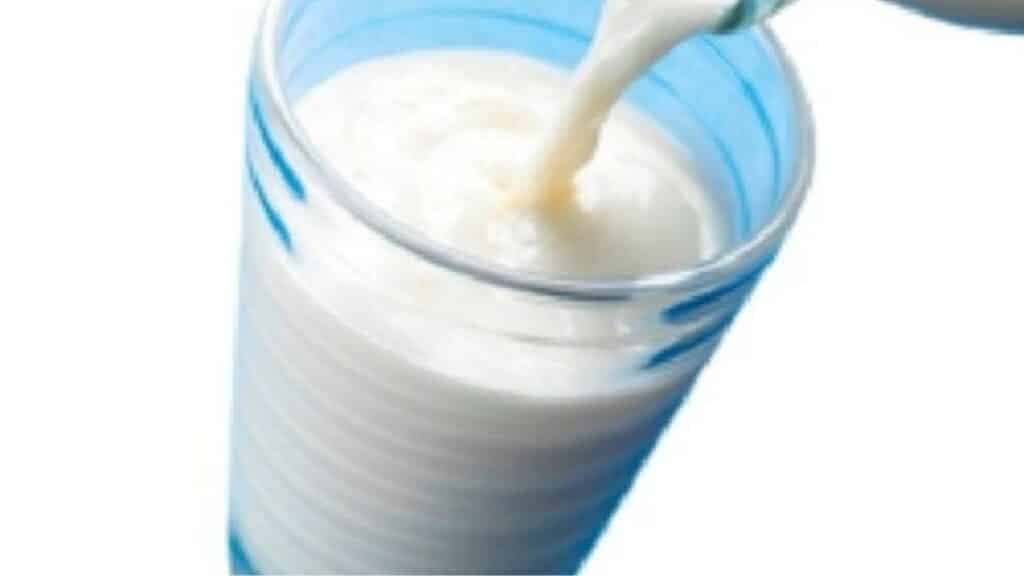
1 litre — this is non-negotiable. Low-fat or skim milk will not give you the rich, creamy texture Phirni is known for. The milk needs to reduce and thicken during cooking, and fat content is what makes that happen.
Basmati rice:
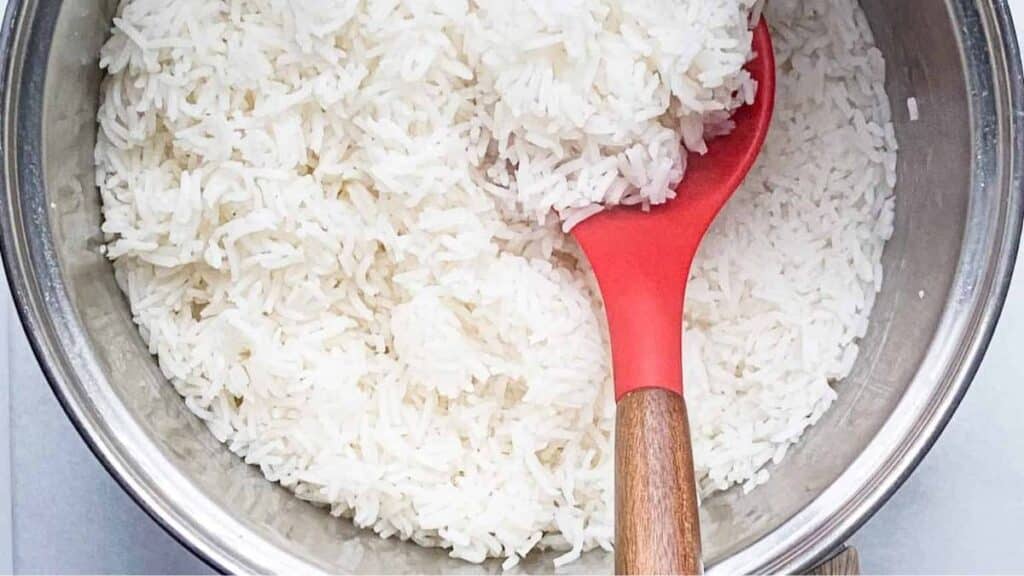
4-5 tablespoons, soaked for 1 hour then ground — basmati is traditional for its fragrance and fine texture when ground. The soaking softens the rice so it grinds smoothly and cooks evenly in the milk.
Sugar:
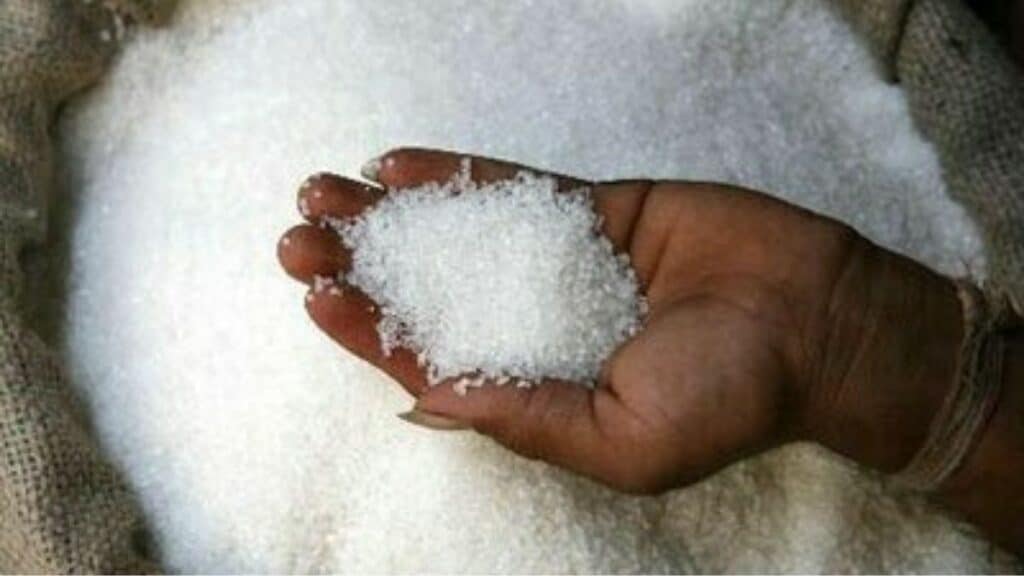
⅓ to ½ cup, adjusted to taste — start with less and add more if needed. The milk develops natural sweetness as it reduces, so you may need less sugar than you expect.
Green cardamom powder:
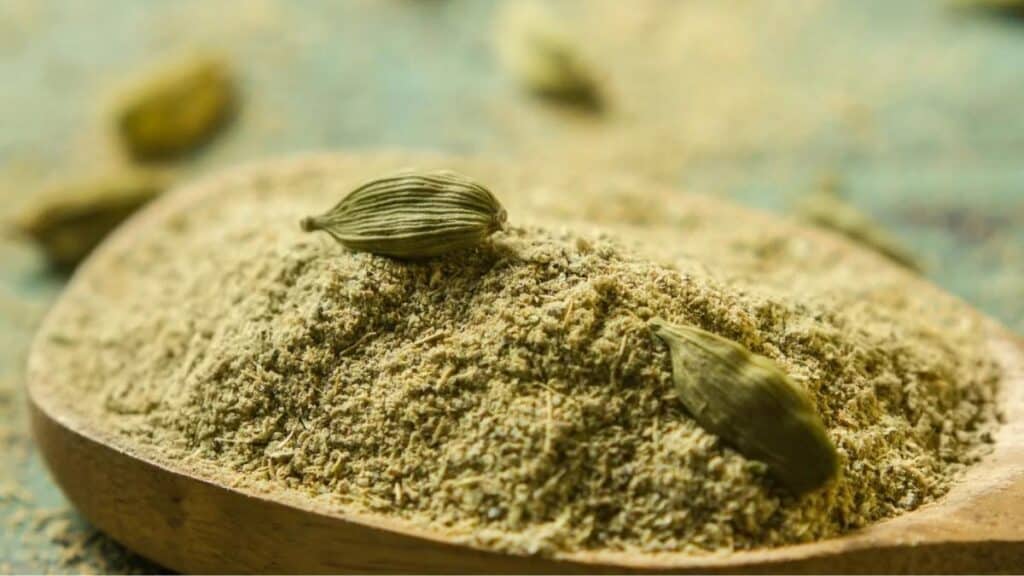
½ teaspoon — provides the signature warm, floral, slightly citrusy aroma that defines Phirni. Freshly ground cardamom is best, but pre-ground works if that is what you have.
Saffron strands:
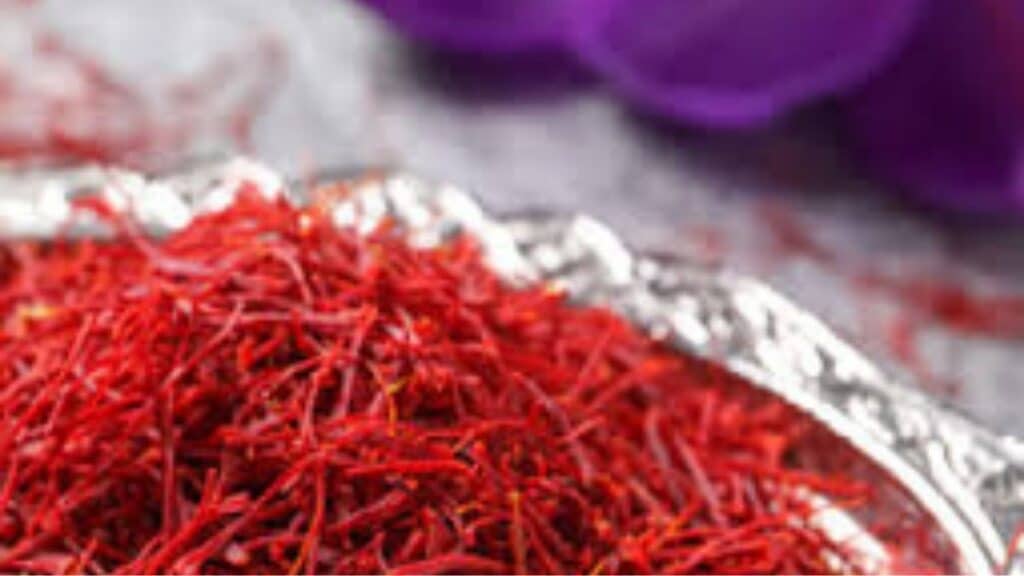
a generous pinch, soaked in warm milk (optional but traditional) — saffron gives Phirni its pale golden colour and subtle floral, honey-like aroma. It is expensive, but a little goes a long way.
Garnish
Chopped almonds and pistachios:
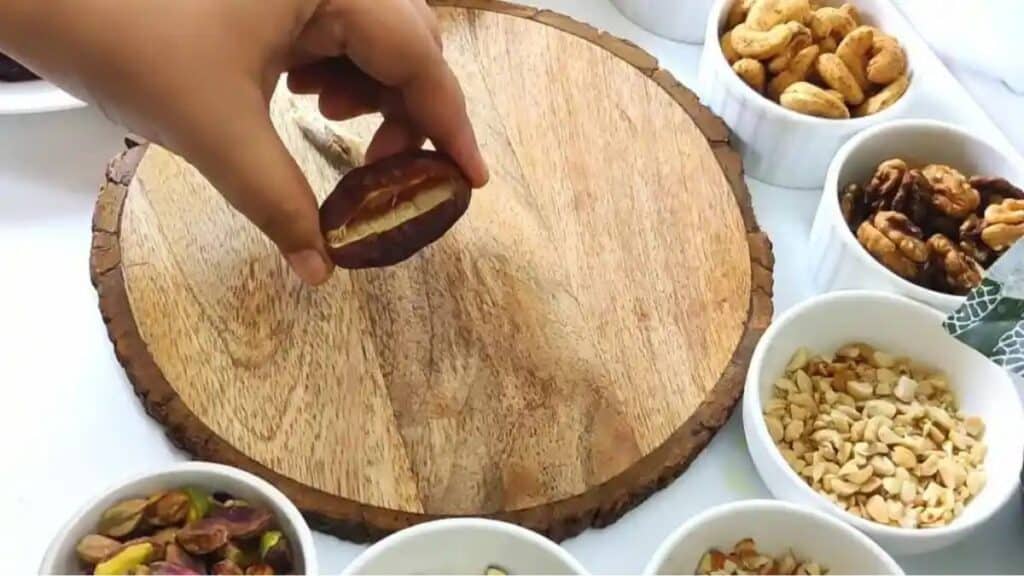
for crunch and visual appeal — slivered or finely chopped works best. Pistachios provide beautiful green colour contrast against the pale pudding.
Rose petals:
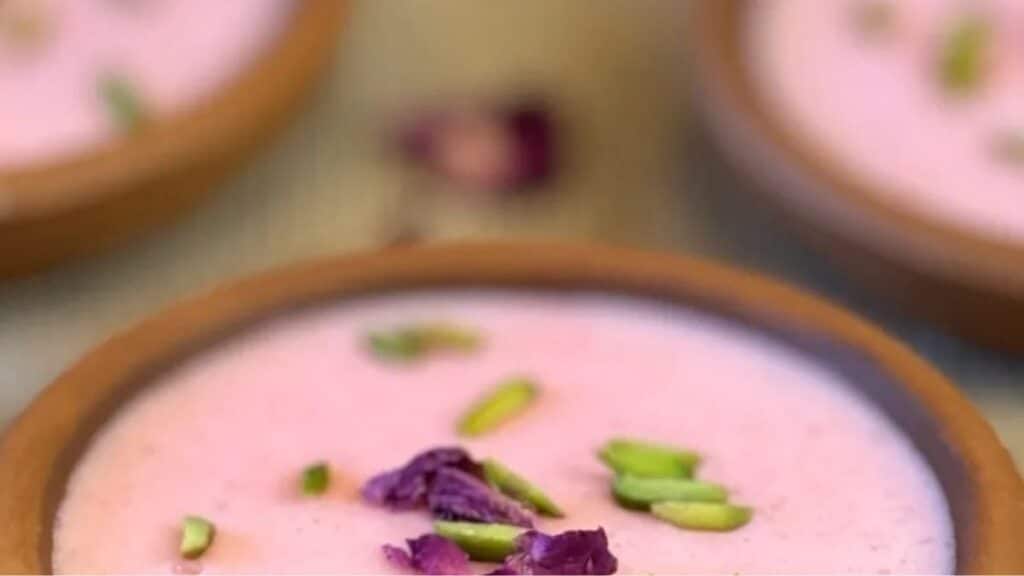
dried or fresh edible rose petals (optional) — adds a romantic, festive touch and subtle floral aroma. Use only food-grade rose petals, not ornamental ones which may be treated with chemicals.
The ingredient list is deliberately minimal because the technique and the quality of ingredients matter more than quantity. Use the best milk you can find — ideally full-fat whole milk from grass-fed cows if available. The difference in flavour is noticeable.
Step-by-Step: How to Make Phirni
The process is straightforward but requires attention and patience. Phirni cannot be rushed. The slow cooking is what develops the flavour and creates the characteristic creamy texture.
Step 1: Soak and Grind the Rice
Rinse 4-5 tablespoons of basmati rice under cold water until the water runs clear. This removes excess starch. Place the rice in a bowl and cover with fresh water. Soak for at least 1 hour. This softening is crucial — it allows the rice to grind smoothly and cook evenly.
After soaking, drain the rice completely. Transfer to a blender or food processor and grind into a coarse paste. The texture should resemble fine semolina or coarse sand — not a smooth puree. You want some texture remaining so the Phirni has body rather than being completely smooth like custard. Add a tablespoon or two of water if needed to help the grinding process, but use as little as possible.
Step 2: Prepare the Saffron
In a small bowl, take about 1 tablespoon of warm milk. Add a generous pinch of saffron strands (10-15 strands) and set aside. The warm milk will extract the colour and flavour from the saffron over the next 10-15 minutes. You will see the milk turn a beautiful golden-orange colour. If you do not have saffron, you can skip this step, though the Phirni will be paler and lack that distinctive floral note.
Step 3: Boil the Milk
Pour 1 litre of full-fat milk into a heavy-bottomed pan or pot. Heavy-bottomed is important because it distributes heat evenly and prevents the milk from scorching on the bottom. Bring the milk to a full boil over medium-high heat, stirring occasionally to prevent a skin from forming on the surface.
Once the milk comes to a rolling boil, reduce the heat to low-medium. You want the milk to simmer gently, not boil vigorously. Vigorous boiling can cause the milk to overflow and makes it harder to control the consistency.
Step 4: Add the Ground Rice
Now comes the critical step. Add the ground rice paste to the simmering milk slowly, stirring constantly with a wooden spoon or silicone spatula. Do not dump all the rice in at once — add it gradually while stirring continuously. This prevents lumps from forming. Lumps are the enemy of smooth, creamy Phirni.
Continue stirring as the rice incorporates into the milk. Within a minute or two, you will notice the milk beginning to thicken slightly. Keep the heat on low-medium and keep stirring. Do not walk away from the stove during this stage.
Step 5: Simmer Until Thick and Creamy
Cook the mixture for 10-15 minutes, stirring frequently to prevent sticking and scorching. You will know the Phirni is ready when the rice is completely cooked (no gritty texture when you taste it), the mixture has thickened considerably, and it coats the back of a spoon. The consistency should be thick but still pourable — it will thicken further as it cools.
If you run your finger across the back of the spoon and the line stays without the mixture immediately running back together, the Phirni is done.
Step 6: Add Sugar, Cardamom, and Saffron Milk
Add the sugar (start with ⅓ cup and adjust to taste), cardamom powder, and the saffron-infused milk you prepared earlier. Stir well to combine. The sugar will dissolve quickly in the hot mixture. Taste at this point and add more sugar if needed — remember that sweetness is less pronounced when food is cold, so slightly sweeter than you think is ideal when hot will taste perfect when chilled.
Cook for another 5-6 minutes, stirring continuously, to allow the flavours to meld and the Phirni to thicken just a bit more with the added sugar.
Step 7: Cool and Chill
Remove the pan from heat. At this point, you can either pour the Phirni into one large serving bowl or divide it among individual serving bowls or clay pots (shikoras). Clay pots are traditional and highly recommended if you can find them — Indian grocery stores often sell small terracotta or earthenware bowls specifically for Phirni.
Allow the Phirni to cool to room temperature first — about 30 minutes. Do not cover it while it is still hot, as condensation will form and drip back into the pudding, making it watery. Once cooled, cover each bowl with plastic wrap
Step 8: Garnish and Serve
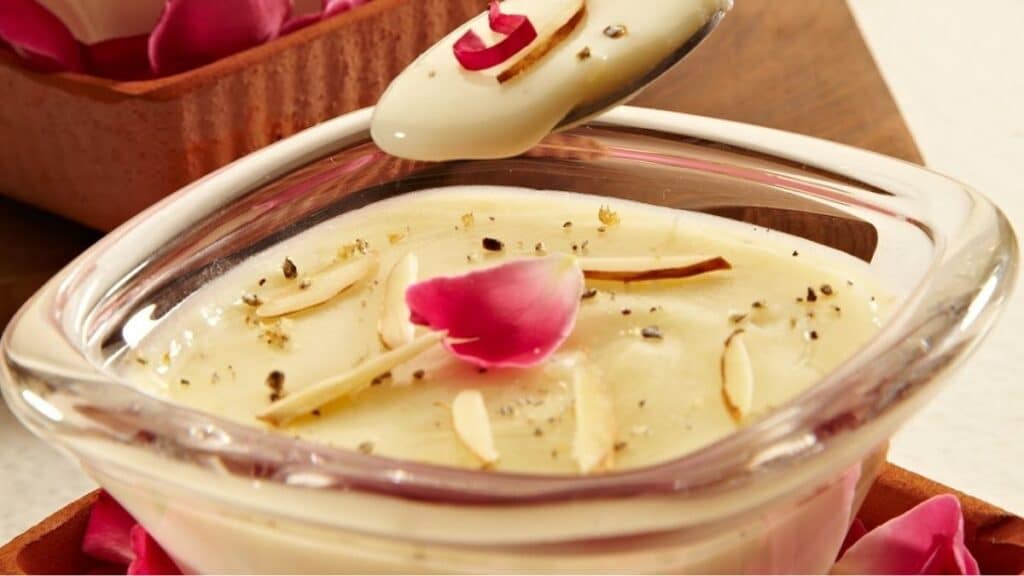
Just before serving, garnish each bowl with chopped or slivered almonds and pistachios. Scatter a few dried or fresh edible rose petals on top for a beautiful, festive presentation. The contrast of the pale creamy Phirni, the green pistachios, the ivory almonds, and the pink rose petals is genuinely stunning.
Serve immediately while still chilled. Phirni is best eaten cold, straight from the refrigerator.
CHECK MORE ON:Heart Shaped Eggless Red Velvet Cake
The Importance of Clay Pots (Shikoras) in Traditional Phirni
While you can serve Phirni in any bowl, traditional clay pots — called shikoras or matkas — elevate the dish in ways that glass or ceramic simply cannot replicate.
Unglazed earthenware is porous, which means it absorbs excess moisture from the Phirni as it chills. This concentrates the flavour and prevents the pudding from becoming watery. The clay also imparts a subtle earthy aroma that complements the floral notes of cardamom and saffron beautifully.
Clay pots stay cold longer than glass or metal, which means your Phirni remains refreshingly chilled even if it sits out on the Iftar table for a while. And aesthetically, there is simply nothing more beautiful or authentic than individual servings of Phirni presented in rustic clay pots, garnished with nuts and rose petals.
Tips for Perfect Phirni Every Time
A few small techniques make the difference between good Phirni and genuinely excellent Phirni that people ask for the recipe.
Stir constantly when adding the ground rice to prevent lumps. Lumps form when the rice paste clumps together instead of dispersing evenly through the milk. Adding the rice slowly while stirring continuously prevents this. If you do get lumps, you can sometimes break them up by whisking vigorously, but prevention is easier than cure.
Use full-fat milk — this is non-negotiable. Low-fat or skim milk will not thicken properly and the Phirni will taste thin and watery. The fat content is what gives Phirni its luxurious, creamy mouthfeel.
Cook on low-medium heat and be patient. Rushing the process by using high heat will scorch the milk on the bottom of the pan and give the Phirni a burnt flavour. Slow and gentle is the way.
The Phirni should be thick enough to coat a spoon but still pourable when hot. It will thicken significantly as it cools and chills. If your Phirni is so thick when hot that it is barely pourable, it will be solid like set custard when cold, which is not the right texture. You want it creamy and spoonable, not sliceable.
Adjust sweetness to taste, but remember it will taste less sweet when cold. Sugar perception decreases as temperature drops, so something that tastes perfectly sweet when hot will taste slightly less sweet when chilled. Aim for slightly sweeter than ideal when tasting hot.
Chill thoroughly before serving — at least 4 hours, ideally overnight. Cold Phirni is not just cooler; it is texturally different and the flavours are more pronounced. Do not skip or shorten the chilling time.
Garnish just before serving to keep nuts crunchy. If you add nuts hours in advance, they will absorb moisture from the Phirni and become soft. For the best textural contrast, garnish within 10-15 minutes of serving.
Variations and Flavor Adaptations
While traditional Phirni is perfection in its simplicity, there are a few variations worth exploring for different occasions or dietary needs.
Mango Phirni is popular during mango season (April-July). Add ½ cup of mango puree along with the sugar and reduce the sugar slightly to account for the fruit’s sweetness. The mango adds a beautiful golden colour and tropical flavour.
Rose Phirni intensifies the floral notes by adding 1-2 teaspoons of rose water or kewra water along with the cardamom. This version is particularly popular at weddings and special occasions.
Chocolate Phirni is a modern fusion variation. Add 2-3 tablespoons of cocoa powder or melted dark chocolate along with the sugar. This appeals particularly to children and those who prefer less traditional flavours.
Vegan Phirni uses full-fat coconut milk or cashew milk in place of dairy milk. The texture will be slightly different but still creamy and delicious. Use maple syrup or agave instead of white sugar for a completely plant-based version.
How to Store Phirni and How Long It Keeps
Phirni stores beautifully, which makes it ideal for Ramadan when you are meal-prepping for the week ahead.
Refrigerator storage: Keep Phirni covered in the refrigerator for up to 2-3 days. The flavour actually improves slightly on the second day as the spices continue to infuse. Make sure each bowl is covered tightly with plastic wrap or a lid to prevent the pudding from absorbing refrigerator odours.
Freezing is not recommended. The texture changes dramatically when Phirni is frozen and thawed — the milk separates and the consistency becomes grainy. Always make only what you will eat within 2-3 days.
Serving from the fridge: Phirni can be served straight from the refrigerator. In fact, it should be thoroughly chilled when eaten. If it has been in the fridge for more than a day and has thickened too much, you can stir in a tablespoon or two of cold milk to loosen the consistency slightly.
Make-ahead for Iftar: Phirni is an excellent make-ahead dessert for Ramadan. Prepare it the night before or even two nights before Iftar, refrigerate, and simply garnish just before serving. This frees up your time on the day of Iftar for other dishes that cannot be made in advance.
Phirni vs Kheer: What Is the Difference?
This is one of the most common questions people have when they encounter both desserts. Phirni and kheer are closely related — both are Indian rice puddings cooked in milk with sugar and spices — but they have distinct differences in texture, presentation, and tradition.
Rice preparation is the primary difference. Kheer uses whole rice grains that are cooked until soft but remain intact and visible in the pudding. Phirni uses rice that has been soaked and ground into a coarse paste, which dissolves into the milk to create a smooth, almost custard-like texture with no visible grains.
Texture: Kheer has a porridge-like consistency with distinct rice grains providing texture. Phirni is smooth, creamy, and homogenous throughout.
Serving temperature: Kheer can be served warm, at room temperature, or chilled. Phirni is almost always served chilled and tastes best that way.
Presentation: Kheer is typically served in regular bowls or cups. Phirni is traditionally served in small individual clay pots called shikoras, which is part of its cultural identity.
Occasions: Kheer is everyday comfort food, made regularly in Indian households and served at temples as prasad (religious offering). Phirni is considered more special and festive, served at celebrations, weddings, and religious occasions like Ramadan and Eid.
Both are delicious, but they are not interchangeable. Each has its own place in Indian and Pakistani culinary tradition.
Serving Phirni at Iftar and Special Occasions
Phirni is incredibly versatile in how it can be served and when.
For Ramadan Iftar: Serve Phirni as part of the dessert course after the main meal. Its cooling, creamy texture is particularly welcome after a day of fasting and after eating heavier Iftar foods like samosas, pakoras, and biryani. The small individual portions in clay pots make it easy for guests to help themselves.
For Eid celebrations: Phirni is a classic Eid dessert, often made in large batches to serve to family and friends visiting throughout the day. The make-ahead nature makes it ideal for hosts who are busy with other preparations.
For weddings and special occasions: Phirni is traditionally served at Indian and Pakistani weddings, often presented in beautiful silver or brass bowls as part of an elaborate dessert spread.
For everyday celebration: Even outside of special occasions, Phirni makes a wonderful weekend dessert or a treat to enjoy with family over chai. It does not need to be reserved only for festivals.
Phirni pairs beautifully with Indian chai, kahwa (Kashmiri green tea), or simply a glass of cold water. The richness of the pudding is balanced by the warmth and slight bitterness of tea.
Nutritional Information (Per Serving, Based on 8 Servings)
Calories: 180–210 kcal
Carbohydrates: 28–32g
Protein: 6–8g
Fat: 5–7g (primarily from full-fat milk)
Saturated Fat: 3–4g
Sugar: 18–22g (naturally occurring milk sugars plus added sugar)
Calcium: 200–250mg (from milk)
Sodium: 80–100mg
The calorie and sugar content can be reduced by using less added sugar (start with ⅓ cup instead of ½ cup) or using sugar substitutes. Using low-fat milk will reduce calories and fat but will also reduce the creamy texture that makes Phirni special.
A Dessert That Connects Generations
Phirni is more than a recipe. It is a connection to Mughlai culinary tradition, a staple of Ramadan and Eid celebrations, and a dessert that transcends generations. The fragrance of cardamom and saffron, the sight of individual clay pots garnished with nuts and rose petals, the first spoonful of creamy, chilled pudding after breaking fast — these are sensory memories that stay with you long after the month of Ramadan ends.
For the diaspora, making Phirni in your kitchen abroad brings a piece of home to the table. It is a way of passing tradition to children who may not remember the Iftar tables of your childhood but can create their own memories through the dishes you teach them to make.
This Ramadan, take the time to make Phirni properly. Use good milk, real saffron if you can, and serve it in clay pots if possible. Chill it thoroughly. Garnish it beautifully. And share it with people you love. Because the best desserts are not just about taste — they are about connection, celebration, and the small rituals that make life feel abundant
Can I use regular rice instead of basmati?
You can, but basmati is traditional for its fragrance and fine texture when ground. Short-grain rice will work but produces a thicker, stickier consistency. Long-grain white rice is a better substitute than short-grain if basmati is unavailable.
Why is my Phirni lumpy?
If lumps form, try whisking vigorously to break them up.
Can I make Phirni without saffron?
Yes. Saffron is traditional and adds beautiful colour and subtle floral flavour, but it is expensive and optional. The Phirni will still be delicious without it — just paler in colour.
