


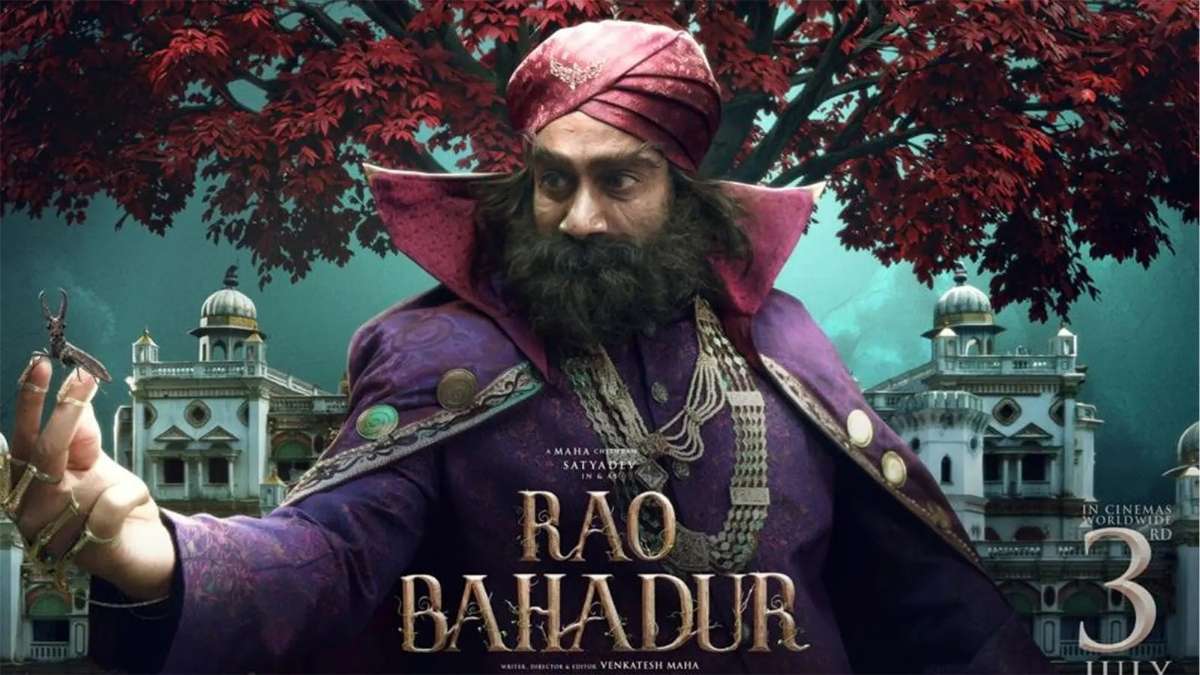
Rao Bahadur is the kind of film Telugu cinema rarely attempts — a slow-burning psychological drama that trusts its audience to sit with silence, ambiguity, and memory instead of spoon-feeding them a twist a minute. Directed by Venkatesh Maha and led by a transformed Satyadev, the film trades conventional thrills for atmosphere, restraint, and an emotionally rich mystery that lingers well after the credits roll.
Rao Bahadur is a hauntingly atmospheric psychological drama anchored by a phenomenal, career-best performance from Satyadev as an aristocrat unraveling under the weight of a buried family tragedy. Director Venkatesh Maha crafts a hypnotic world of fading grandeur, shadow-drenched visuals, and purposeful silence, supported beautifully by Deepa Thomas and Vikas Muppala. It’s a slow, deliberate watch that rewards patience with a genuinely moving payoff, making it one of the most distinctive and rewarding Telugu films of the year.
Cast & Crew
| Role | Name |
|---|---|
| Director | Venkatesh Maha |
| Writer | Venkatesh Maha |
| Editor | Venkatesh Maha |
| Lead Cast | Satyadev Kancharana |
| Lead Cast | Deepa Thomas |
| Lead Cast | Vikas Muppala |
| Supporting Cast | Anand Bharathi, Bala Parasar, Pranay Vaka, Kunal Kaushik, Master Kiran |
| Cinematographer | Kartik Parmar |
| Music Composer | Smaran Sai |
| Production Designer | Rohan Singh |
| Producers | Anurag Reddy, Sharath Chandra, Chinta Gopalakrishna Reddy, Eshwaran Vijayaraghavan |
| Presented By | Mahesh Babu, Namrata Shirodkar |
| Banners | A+S Movies, Srichakraas Entertainments, Mahayana Motion Pictures, GMB Entertainment |
| Genre | Drama, Mystery & Psychological |
| Runtime | 2 hrs 49 mins |
| Release Date | 3 July, 2026 |
| Language | Telugu |
| Censor Rating | UA |
Plot Summary
Rao Bahadur centers on a descendant of a once-respected royal family whose world is shaped as much by fading prestige as by the voices inside his own mind. As his grip on reality weakens, the lines between memory, imagination, and truth blur, and those around him begin to question his sanity. What starts as the portrait of a troubled man slowly transforms into a layered psychological mystery, where every revelation opens up fresh questions rather than easy answers, keeping the audience emotionally invested until the very end.
Performances
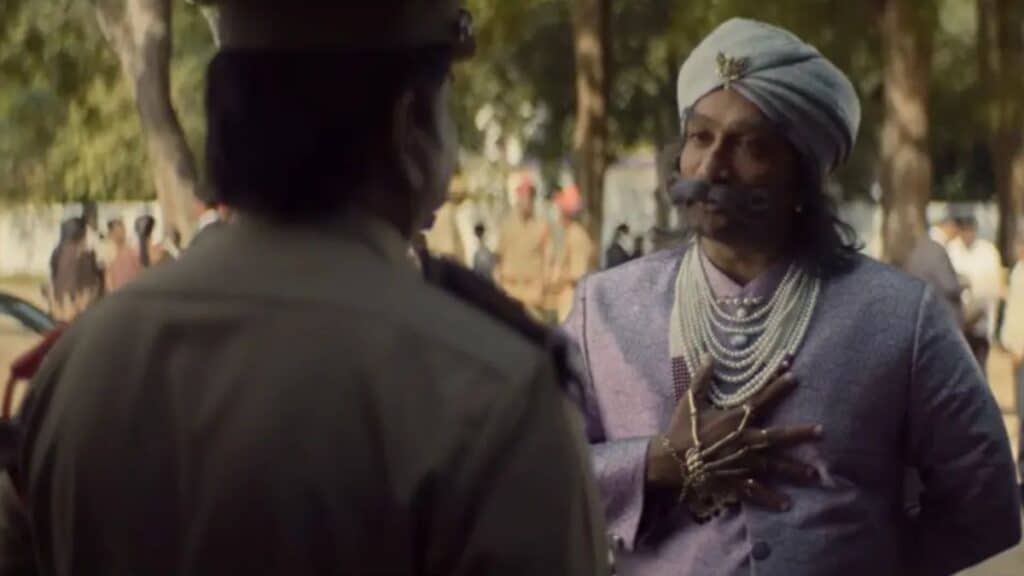
Satyadev delivers what is easily one of the finest performances of his career. He never overplays the character’s fractured mental state, choosing restraint over theatrics, and lets confusion, vulnerability, and quiet desperation emerge through subtle expressions and body language. It’s a masterclass in controlled, internalized acting that anchors the entire film.
Deepa Thomas brings genuine warmth and emotional depth to a film otherwise steeped in distance and melancholy. Her performance adds a tender, human counterpoint to the story’s heavier themes, and she handles her character’s quiet grief with real sensitivity.
Vikas Muppala leaves a lasting impression in a role that steadily grows in importance as the narrative unfolds. His grounded, understated presence gives the story much-needed warmth and stability, and he holds his own beautifully alongside the film’s stronger emotional beats.
The supporting ensemble — including Anand Bharathi, Bala Parasar, Pranay Vaka, Kunal Kaushik, and Master Kiran — deserves credit too, as each performer fits seamlessly into the film’s carefully constructed, understated atmosphere without ever disrupting its tone.
Also Read: Nagabandham: The Secret Treasure Movie Review — A Grand Mythological Adventure Worth Experiencing
Technical Craft
Direction
Venkatesh Maha once again proves he isn’t interested in taking the familiar road. Instead of jump scares or dramatic cliffhangers, he builds tension through atmosphere, patience, and silence, crafting a film that asks to be observed rather than simply consumed.
Cinematography
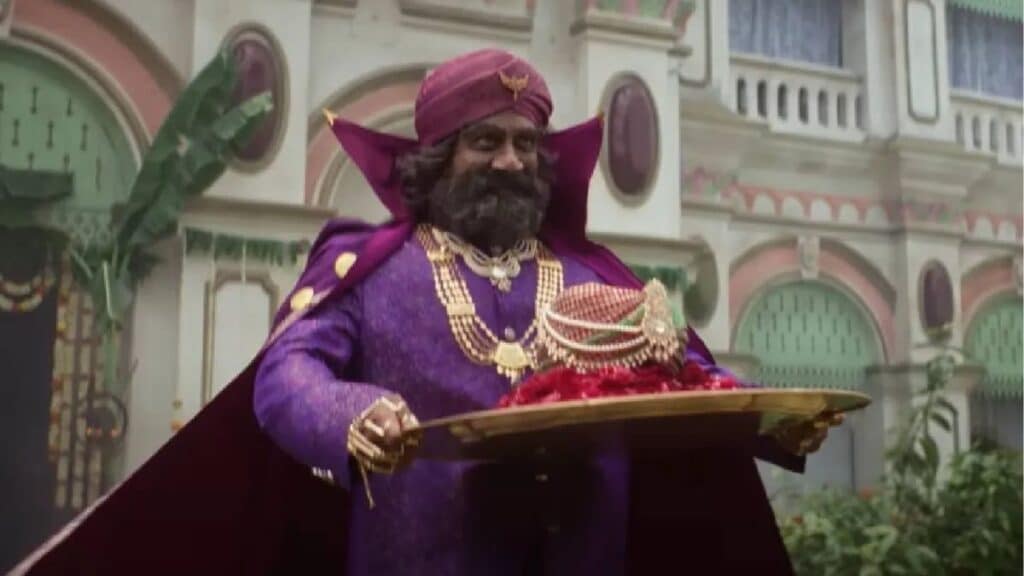
Kartik Parmar’s camerawork embraces shadows and stillness, turning visuals into a storytelling device as powerful as dialogue. Every frame of faded grandeur and quiet decay mirrors the protagonist’s inner turmoil beautifully.
Music & Sound Design
Smaran Sai’s score is used sparingly and purposefully. Long stretches unfold with minimal background music, letting silence carry emotional weight, and when the score does arrive, it enhances the mood rather than announcing it.
Editing
The editing (also helmed by Venkatesh Maha) favors deliberate pacing over urgency, matching the meditative, puzzle-like structure of the screenplay.
Also Read: Graamaayana Movie Review: Vinay Rajkumar’s Heartfelt Rural Drama Wins Hearts
Strengths & Weaknesses
Strengths:
- A towering, career-best performance from Satyadev
- Immersive cinematography and production design
- Purposeful, minimal sound design that enhances mood
- A screenplay that respects the audience’s intelligence
- Strong, understated support from Deepa Thomas and Vikas Muppala
Weaknesses:
- Deliberate pacing that demands patience from viewers
- A few passages that linger longer than necessary
- Not built for those expecting a conventional thriller rhythm
Final Verdict: ⭐⭐⭐⭐⭐ 5/5
Rao Bahadur feels less like a conventional thriller and more like an emotional puzzle built from memory, grief, and identity. It’s a bold, original psychological drama that trusts its audience and rewards those willing to surrender to its rhythm — easily one of the most distinctive Telugu films of the year.
What is the age rating of Rao Bahadur?
Rao Bahadur has been certified UA, suitable for viewing with parental guidance.
Is Rao Bahadur suitable for children?
Given its intense psychological themes and mature emotional content, Rao Bahadur is best suited for older audiences rather than young children.
Is Rao Bahadur based on a true story?
No, Rao Bahadur is a fictional psychological drama and is not based on true events.
