


If you’re part of the Indian diaspora community looking for intense, emotionally charged drama that explores the complexities of family, identity, and redemption, Netflix’s new Spanish series Salvador might be your next binge-watch. Starring powerhouse actor Luis Tosar alongside Claudia Salas, this eight-episode thriller premieres globally on February 6, 2026, bringing a father’s desperate fight to save his daughter from extremism to screens worldwide.
Quick Summary
Salvador is an 8-episode Spanish action drama series starring Luis Tosar as an emergency medical technician who discovers his daughter belongs to a neo-Nazi ultra group. Created by Aitor Gabilondo and directed by Daniel Calparsoro, the series premieres globally on Netflix on February 6, 2026, exploring themes of family, radicalization, and redemption.
What Salvador Is About: A Father’s Desperate Journey
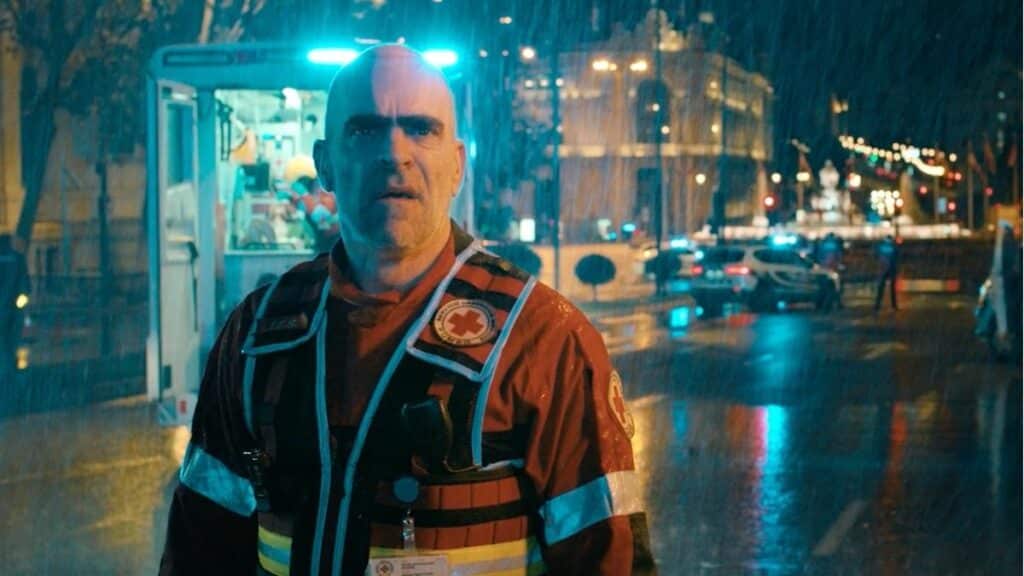
Salvador tells the story that many parents across cultures fear most—losing a child not to tragedy, but to ideology. Salvador Aguirre, played by Luis Tosar, works as an emergency medical technician while struggling to leave behind his past battles with alcohol and attempting to repair the fractured relationships with his family. For anyone who’s watched a loved one drift away, whether across continents or ideologies, that feeling of helplessness resonates deeply.
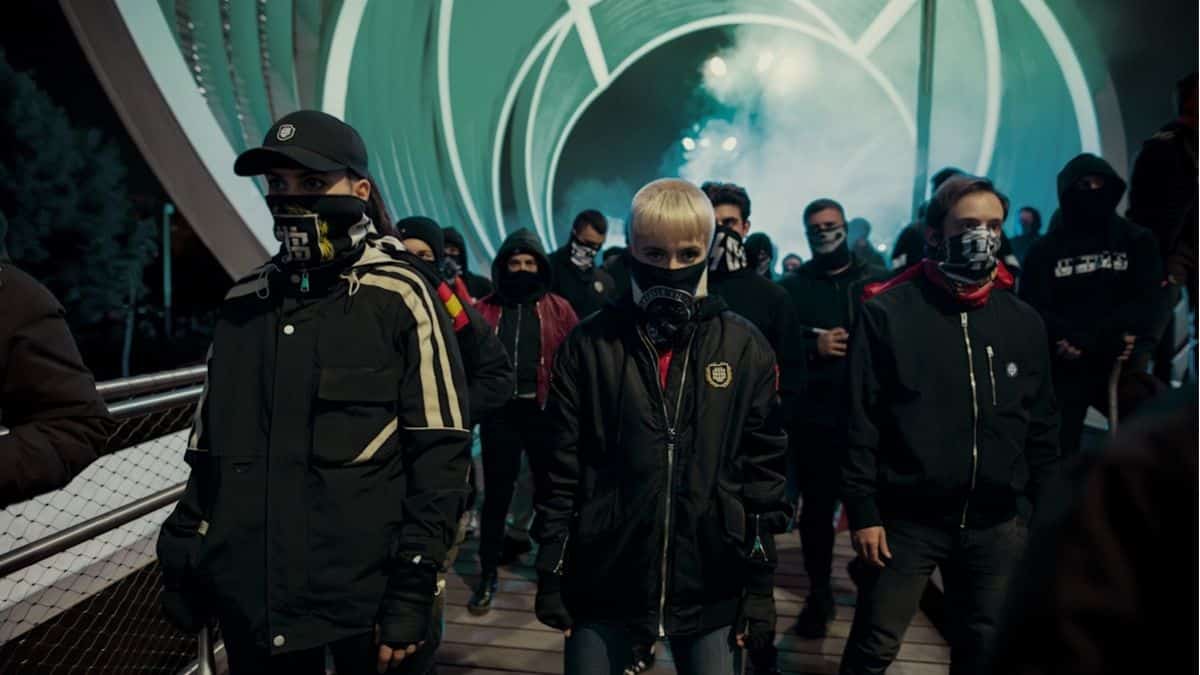
The series begins when Salvador discovers his daughter Milena, portrayed by Candela Arestegui, has become part of the White Souls, an ultra-nationalist group that embraces racism, violence, and homophobia—everything Salvador tried to protect her from. The irony cuts sharply here. You spend years teaching your children values, showing them what matters, only to watch them choose the exact opposite path.
During a violent clash between rival football club ultras, Salvador responds as an ambulance driver and finds his own daughter among the injured. That moment—recognizing your child in a situation you never imagined—becomes the catalyst for everything that follows. Salvador must infiltrate the very group poisoning his daughter’s mind, getting close to these dangerous extremists to understand what led Milena down this path and somehow pull her back.
The series asks a question that haunts parents everywhere: when your child becomes someone you don’t recognize, how far would you go to bring them home? For diaspora families who’ve navigated the tension between traditional values and the pull of new cultural influences, between maintaining identity and fitting in, Salvador’s struggle carries particular weight.
CHECK MORE ON:Mardaani 3 Release Date, OTT Platform & Everything About Rani Mukerji’s Action Thriller
Meet the Cast Behind Salvador’s Intense Story
Luis Tosar as Salvador Aguirre
Luis Tosar brings decades of acting gravitas to the role of Salvador. Spanish and international audiences know him from critically acclaimed films like Cell 211, where he played a prison inmate with terrifying authenticity, and Netflix’s thriller series The Minions of Midas. Tosar specializes in portraying complex men dealing with impossible situations—fathers, criminals, victims, survivors—always finding the humanity beneath the surface.
In Salvador, Tosar embodies a man carrying multiple burdens. The weight of past mistakes with alcohol. The guilt of an absent or imperfect father. The terror of watching your daughter embrace hatred. The desperate courage required to walk into danger to save someone who might not even want saving. For an actor known for intense, physically and emotionally demanding performances, this role allows Tosar to explore the specific pain of parental love tested by ideological extremism.
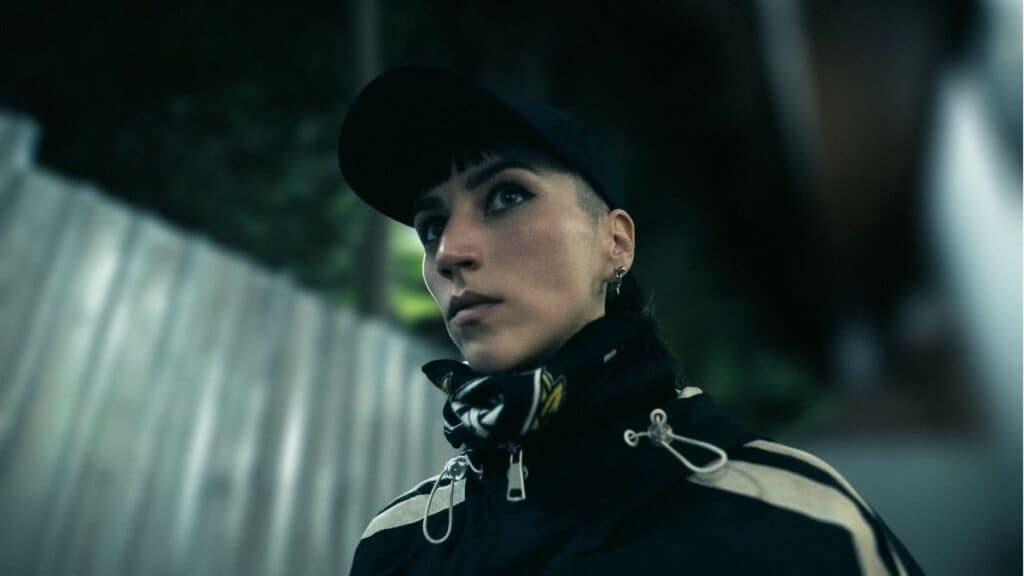
Claudia Salas as Julia
Claudia Salas, who gained international recognition playing Rebeka in Netflix’s Elite, takes on the role of Julia, another member of the White Souls ultra group. Salas has proven her ability to portray young women navigating complicated moral territories—her character in Elite dealt with class conflict, family loyalty, and personal integrity in ways that made her deeply human despite questionable choices.
As Julia, Salas likely represents another dimension of radicalization—perhaps someone with different motivations than Milena, or someone further entrenched in the ideology, or potentially someone who becomes an unexpected ally. The presence of a recognizable young actress in this role suggests the series won’t paint all ultra group members with the same brush but will explore the varied paths that lead young people toward extremism.
The Supporting Ensemble
The cast rounds out with established Spanish television and film actors who bring depth to Salvador’s world. Leonor Watling, known for Talk to Her and various Spanish series, appears alongside Fariba Sheikhan from La unidad, Patricia Vico from Sky High: The Series, and César Mateo from The Longest Night. This ensemble approach suggests Salvador won’t limit itself to the father-daughter dynamic but will explore how radicalization impacts entire communities—families, friends, colleagues, and bystanders.
Alejandro Casaseca, Marco Marini, and Lucas Ares fill out the cast, likely portraying various members of the ultra groups, law enforcement, or Salvador’s personal circle. The diversity of talent assembled here indicates a series committed to showing radicalization as a social phenomenon rather than just an individual failing.
The Creative Team: Proven Storytellers Tackle Difficult Themes
Aitor Gabilondo: Creator and Executive Producer
Aitor Gabilondo created Salvador and serves as executive producer, bringing his track record of tackling Spain’s most sensitive subjects through prestige television. He created Patria, the critically acclaimed series about the Basque conflict and ETA terrorism that aired on HBO. Patria didn’t shy from complexity, showing how political violence devastated families on all sides without offering easy answers or comfortable moral certainties.
Gabilondo also created Wrong Side of the Tracks (Entrevías) and Muted, both series that explored working-class Spanish life, crime, family bonds, and the systems that fail vulnerable people. His consistent focus on how larger social forces impact ordinary families makes him the perfect creator for a series about a father confronting his daughter’s radicalization. Gabilondo understands that extremism doesn’t emerge in a vacuum—it grows from social isolation, economic anxiety, identity crisis, and the seductive promise of belonging that radical groups offer.
Daniel Calparsoro: Director
Daniel Calparsoro directs Salvador, bringing his signature visceral, kinetic style to the series. He previously directed Bank Under Siege (Asalto al Banco Central) and episodes of Sky High: The Series, both projects that demonstrated his ability to maintain relentless tension while developing character depth. Calparsoro doesn’t just stage action—he uses violence and chaos to reveal who people truly are when stripped of social niceties and safety.
For a series that promises “a frantic spiral of violence and chaos,” Calparsoro’s direction will likely create the immersive intensity that makes you feel Salvador’s desperation, the danger of infiltrating an extremist group, and the physical reality of the violence these ideologies produce. His previous work shows careful attention to how violence impacts bodies and psyches, never glorifying it but not shying from showing its consequences.
The Writing Team
Gabilondo co-wrote the script with Jose Barbero, who worked with him on Wrong Side of the Tracks and Muted, and Anna Casado, another Muted collaborator. This team’s previous work demonstrates comfort with morally ambiguous characters, complicated family dynamics, and social realism that doesn’t lecture but invites viewers to grapple with difficult questions.
The writing will likely avoid simplistic answers about why young people join extremist movements. Families across the world—including diaspora communities watching children navigate multiple cultural identities—know that radicalization isn’t simple. Economic frustration, social isolation, identity crisis, the appeal of clear answers in a confusing world, the seduction of belonging to something larger than yourself—these factors interact in ways that defy easy explanation.
Why Salvador Resonates Beyond Spanish Borders
Stories about extremism, radicalization, and families torn apart by ideology aren’t confined to any single country or culture. For Indian diaspora families, the themes in Salvador might echo concerns about children caught between cultures, the pull of identity-based movements, or the fear of losing kids to ideologies that contradict everything you’ve taught them.
The series explores how good parents can watch their children embrace hateful ideologies. Salvador isn’t portrayed as a villain who drove his daughter to extremism through abuse or neglect—he’s a flawed man with a drinking problem trying to do better, which makes his daughter’s choices even more bewildering and painful. Many parents across cultures recognize this painful reality: you can try your best and still watch your child make choices you can’t understand or accept.
The football ultra culture depicted in Salvador has parallels in various forms of group radicalization worldwide. Whether it’s political extremism, religious fundamentalism, or nationalist movements, the patterns remain similar—charismatic leaders, a sense of brotherhood or sisterhood, clear enemies to blame, rituals that create belonging, and ideology that offers simple answers to complex questions.
For diaspora viewers who’ve navigated the tension between assimilation and maintaining cultural identity, between fitting into a new society and honoring heritage, the theme of young people searching for identity and belonging carries particular resonance. Radicalization often preys on that very search, offering certainty and community to those feeling lost between worlds.
What to Expect from Salvador’s Eight Episodes
Netflix releasing all eight episodes at once means Salvador will likely build toward a sustained climax rather than relying on episodic cliffhangers. The limited series format suggests a complete story with beginning, middle, and end—Salvador’s journey to understand his daughter’s radicalization and attempt to rescue her will reach some form of resolution, though likely not a simple or entirely satisfying one given the subject matter.
The series promises “a frantic spiral of violence and chaos,” which suggests Salvador’s infiltration of the White Souls won’t remain covert or controlled. When you’re dealing with violent extremists, situations escalate quickly. Salvador will likely face increasingly dangerous moral compromises—how much must he pretend to believe their ideology? How far must he participate in their activities? At what point does rescuing your daughter require becoming someone you despise?
The tagline “When there is nothing left to lose… is when you discover what you are capable of” hints at Salvador reaching desperate extremes. A man who’s already lost his marriage, struggled with addiction, and failed his daughter in various ways might indeed feel he has nothing left to lose. That desperation combined with a father’s love creates volatile conditions—someone willing to do absolutely anything, accept any risk, cross any line to save their child.
The series will likely explore Milena’s perspective as well, showing what attracted her to the White Souls in the first place. Understanding radicalization requires understanding what these movements offer—a sense of power, belonging, purpose, identity, and community. Young people don’t join extremist groups because they’re stupid or inherently evil; they join because something in their life has left them vulnerable, searching, and these groups promise to fill that void.
The Spanish Television Renaissance Continues
Salvador joins a growing list of Spanish-language series achieving international acclaim and global audiences. Shows like Money Heist, Elite, Paquita Salas, and more recently Bank Under Siege have demonstrated that Spanish television can compete with productions from anywhere in the world. The combination of talented actors, bold storytelling, high production values, and willingness to tackle controversial subjects has positioned Spanish television as a major player in the streaming era.
For Netflix, investing in Spanish content makes strategic sense. Spain’s television industry produces quality drama at competitive costs, and Spanish-language content travels well—the language is spoken across Latin America, and subtitled Spanish series have found audiences worldwide. Salvador represents Netflix’s continued commitment to diverse international content that reflects local stories while exploring universal themes.
The series also benefits from Spain’s tradition of gritty, socially conscious cinema and television. Spanish filmmakers and showrunners have long explored their country’s complicated history, social conflicts, and contemporary challenges through unflinching, artistically ambitious work. Salvador continues that tradition, using the thriller format to examine the very real problem of right-wing radicalization among European youth.
Football Ultras and European Extremism
The series’ focus on football ultra culture provides a specific entry point into broader discussions about extremism in Europe. Football ultras—organized supporter groups known for passionate, sometimes violent loyalty to their teams—exist across Europe, and some groups have become associated with far-right ideology, racism, and political violence.
For viewers unfamiliar with European football culture, ultras operate differently than typical sports fans. They organize choreographed displays, lead chanting and singing, and see themselves as the soul of their clubs. Most ultras are passionate but peaceful, but some groups embrace violence as integral to their identity, engaging in planned confrontations with rival ultras, attacking fans from opposing teams, and using football as a vehicle for political ideology.
The connection between certain ultra groups and far-right extremism has become a growing concern across Europe. These groups recruit young people seeking belonging and purpose, using football as common ground before gradually introducing nationalist, racist, or xenophobic ideology. The structure of ultra culture—loyalty, brotherhood, shared rituals, opposition to authority, willingness to fight—can serve as pipeline to more explicitly political extremism.
Salvador explores this phenomenon through Milena’s involvement with the White Souls. The name itself suggests a group with racial ideology—”white” carrying obvious connotations about who belongs and who doesn’t. By setting the series within football ultra culture, the creators can explore how extremism recruits and radicalizes in contexts that initially seem about sports, community, and local pride.
