Aadi Saikumar’s Shambhala has defied all expectations to become one of 2025’s most surprising success stories—a film that not only reversed the lead actor’s string of commercial failures but transformed from box office sleeper hit into an OTT sensation generating over 100 million streaming minutes.
Quick Summary:
Shambhala succeeded at the box office and OTT through strategic trailer positioning that emphasized content over commercial elements, strong mythology-blended thriller content with gripping second-half thrills
Understanding Shambhala’s Unlikely Success Story
The industry’s initial response to Shambhala reflected this diminished perception. Trade analysts didn’t include it in their significant releases tracking, multiplexes allocated minimal screens expecting short runs, and media coverage focused on bigger-budget releases from established stars. The film entered theaters without the buzz, anticipation, or market confidence that typically correlates with commercial success.
The box office performance established Shambhala as a legitimate hit that recouped investments and generated profits for all stakeholders—producers, distributors, exhibitors—a outcome that had seemed unlikely given the pre-release market conditions. The film didn’t achieve blockbuster numbers that rewrite record books, but it achieved something potentially more valuable for Aadi Saikumar’s career: it proved he could carry a commercially successful film when the content and approach aligned properly.
The OTT surge that followed theatrical success demonstrates modern content consumption patterns where streaming platforms provide second wind for films that build strong reputations. Shambhala’s streaming performance on Aha (Telugu OTT platform) and availability through OTTplay Premium has generated viewership numbers that exceed its theatrical reach, with 100 million+ streaming minutes indicating sustained audience engagement rather than just initial curiosity.
Reason 1: Strategic Trailer and Promotional Positioning
The trailer’s content-focused approach marked sharp departure from conventional Telugu cinema promotion that emphasizes commercial elements—hero introduction sequences, romantic moments, punch dialogues, and mass appeal beats that signal to audiences what genre and tone to expect. Instead, Shambhala’s trailer deliberately avoided these commercial markers and focused entirely on the core thriller concept and atmospheric tension.
The trailer cutting and presentation emphasized mystery, tension, and the unique premise of an evil spirit from space descending on a village, blending science fiction concepts with traditional mythology in ways that felt fresh rather than derivative. The visuals suggested production values higher than audiences might expect from Aadi’s recent projects, and the tone conveyed seriousness of purpose that contrasted with the lighter entertainment his previous films had attempted.
Saikumar’s promotional involvement leveraged his industry relationships and credibility to amplify Shambhala’s reach beyond what the production could achieve independently. As a respected character artist with decades of industry goodwill, Saikumar meeting major stars like Prabhas to show them the trailer generated media coverage and social media buzz that money couldn’t buy.
Social media amplification through strategic content releases—first look posters that emphasized mystery, character introduction videos that avoided typical hero worship, and behind-the-scenes content that showcased the filmmaking craft—created sustained conversation across multiple weeks rather than single-burst promotion that audiences forget quickly.
Reason 2: Compelling Content That Blends Thriller and Mythology
The mythology integration grounds these science fiction elements in cultural context that resonates with Telugu audiences familiar with stories of ancient cosmic battles, divine interventions, and the permeability between earthly and divine realms that characterizes Hindu cosmology. Rather than feeling like awkward grafting of disparate elements, the blend creates unified worldview where space-origin evil spirits make perfect sense within the logic of a universe that traditional mythology already describes as containing multiple realms and beings of various origins.
The second-half thrills reportedly became major talking points that drove word-of-mouth recommendations. While specific spoilers should be avoided, the consensus suggests that the film builds tension effectively across its runtime and delivers payoff sequences that justify the buildup rather than deflating through weak execution or rushed resolution.
The village setting provides contained environment that enhances claustrophobia and helplessness that effective thrillers require. Unlike urban settings where characters might reasonably escape or access resources, village isolation creates natural barriers that force confrontation with the threat rather than avoidance. This setting also allows for community dynamics where collective response to danger creates additional dramatic possibilities beyond just individual protagonist heroics.
The avoidance of over-explanation reportedly keeps the mystery effective rather than deflating through excessive exposition that removes the unknown elements that make thrillers compelling. The best supernatural thrillers maintain ambiguity about exact mechanics and origins, providing enough explanation for coherent worldview but preserving sufficient mystery that imagination fills gaps more effectively than any explicit explanation could.
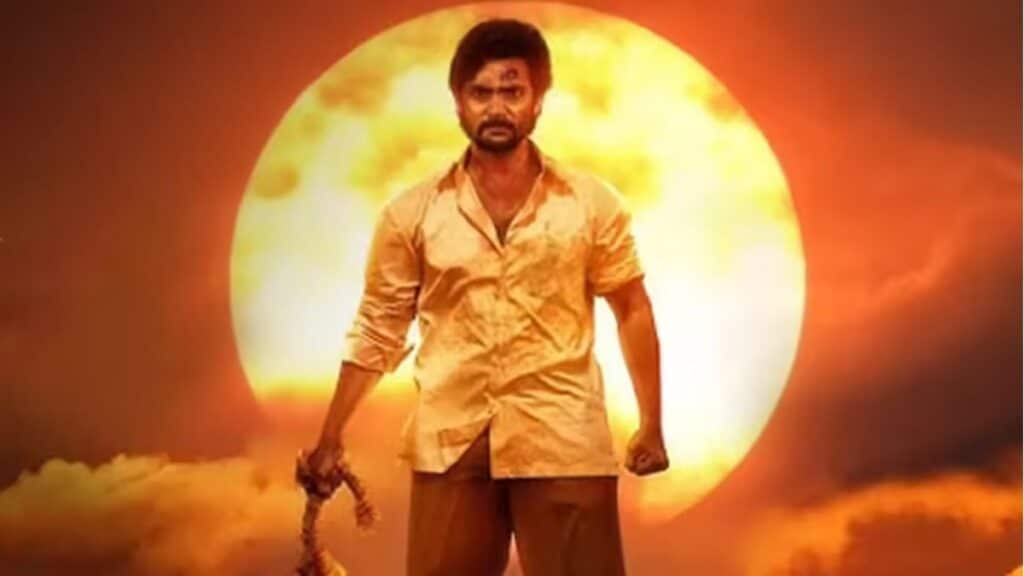
Reason 3: Abandoning Hero Worship for Character-Driven Storytelling
The hero worship formula that dominates much of Telugu commercial cinema involves specific structural elements that exist primarily to elevate the lead actor’s image rather than serve story needs. Hero introduction sequences that showcase his power, style, and audience appeal through elaborate set pieces. Romantic tracks that demonstrate desirability and charm through songs and romantic scenarios often tangential to main plot. Fight sequences designed to showcase physical prowess and mass appeal through defeating multiple adversaries effortlessly. Comedy tracks that demonstrate likability and relatability through humor that may or may not advance plot.
For an actor in Aadi’s position, however, continuing to follow this formula had proven counterproductive. His previous films that attempted these commercial elements had failed to connect, suggesting that audiences weren’t interested in him performing this particular formula or that the execution quality didn’t meet standards that audiences expected from star vehicles. Continuing to chase commercial formulas that weren’t working would have been definition of insanity—doing the same thing repeatedly while expecting different results.
The decision to let go of these commercial safety nets represented calculated risk. On one hand, it removed familiar elements that might have provided comfort to distributors and exhibitors who could market “hero introduction song by famous composer” or “six fight sequences” as selling points. On the other hand, it freed the film from obligations to incorporate elements that slowed pacing, diluted focus, and made the runtime bloated with material that audiences increasingly skip or tolerate rather than enjoy.
The character-focused approach allowed Aadi to actually perform rather than just pose and deliver punch dialogues. Playing a real person facing extraordinary circumstances requires emotional range, vulnerability, fear, determination, and transformation across the narrative—acting challenges that star vehicles often don’t provide because maintaining consistent hero persona takes priority over character development.
The narrative efficiency gained by removing commercial obligations created tighter pacing that modern audiences increasingly prefer. Theatrical runtimes under two hours rather than three-plus hours with bloat make films feel respectful of audience time and maintain momentum that prevents boredom or restlessness. In streaming contexts, crisp runtimes encourage completion rather than abandonment partway through when viewers feel content is dragging.
The validation that this approach received through box office and OTT success provides important industry lesson about content-driven cinema’s commercial viability. For too long, Telugu industry has operated on assumption that commercial formulas are mandatory for success, that removing them is artistic indulgence that sacrifices commercial prospects. Shambhala demonstrates that intelligently abandoning formulas that aren’t serving your specific project can actually enhance rather than diminish commercial performance when execution quality is strong.
Reason 4: OTT Buzz and Multilingual Reach
The OTTplay Premium availability extends reach further through platform aggregation that makes Shambhala accessible to subscribers who might not specifically subscribe to Aha but access it through bundled services. This distribution model mirrors how content discovery increasingly works in streaming era—people don’t necessarily seek specific titles but explore what’s available within their existing subscriptions, meaning wider platform availability directly translates to higher viewership potential.
The multilingual streaming success indicates that Shambhala’s content translates effectively across linguistic boundaries when viewers can access it in their preferred languages through dubbing. The thriller premise, mythology elements, and character-driven storytelling apparently work for Tamil, Hindi, Kannada, and Malayalam audiences who find the film through browsing, recommendations, or platform promotions highlighting its performance in Telugu.
The audiences who missed theatrical release represent substantial portion of OTT viewers—people who either weren’t aware of the film during its theatrical run, weren’t able to make theater visits during that window, or heard positive buzz but didn’t act on it during theatrical availability. OTT provides second chance for these audiences to experience content on their timeline rather than the industry’s release schedule.
The sustained streaming performance weeks and potentially months after OTT release suggests genuine quality that drives rewatches, delayed discovery by audiences who weren’t early adopters, and continued word-of-mouth recommendations that keep bringing new viewers. Many films see strong opening weekend OTT numbers followed by rapid decline; sustained performance indicates content that continues resonating rather than just initial curiosity.
What Shambhala’s Success Means for Telugu Cinema
For actors in positions similar to Aadi’s, the film provides roadmap for career revival through strategic creative choices rather than just waiting for luck or continuously repeating failed approaches. The willingness to abandon unsuccessful formulas, embrace content-driven scripts even without commercial safety nets, and focus on performance over image protected by commercial elements created opportunity for success that wasn’t available through conventional paths.
The multilingual OTT success specifically shows how Telugu content can reach pan-Indian audiences without the massive budgets and promotional expenses that theatrical pan-Indian releases require. Rather than spending crores on Hindi dubbing theatrical releases across North India, films can reach those audiences through OTT platforms that handle localization and make content available to subscribers who discover it organically.