


Indian cinema has lost one of its most beloved artists. Veteran actor-director Govardhan Asrani, fondly known simply as Asrani, passed away in Mumbai on October 20, 2025, at the age of 84, after a prolonged illness. The news marks the end of an era for Hindi film comedy, as fans across generations remember the man who brought joy to millions through his iconic performances — especially his unforgettable turn as the eccentric jailor in Sholay.
In this Article
Quick Answer:
Actor-director Asrani died in Mumbai at 84 after a prolonged illness. His family confirmed the news, describing him as “the one who brought smiles to everyone’s faces.” A legendary comedian and character actor, Asrani appeared in over 350 films and directed six, leaving behind a timeless cinematic legacy.
Who Was Asrani? A Life Dedicated to Laughter and Cinema
Born on January 1, 1941, in Jaipur, Rajasthan, Govardhan Asrani began his artistic journey at All India Radio as a voice artist. His love for acting led him to train under Sahitya Kalabhai Thakkar, before moving to Mumbai in 1962 to pursue a career in films.
A chance meeting with filmmaker Hrishikesh Mukherjee changed his life. On Mukherjee’s recommendation, Asrani joined the Film and Television Institute of India (FTII), Pune, graduating in 1966 — the same institution that would later become his workplace as a teacher when film opportunities ran dry.
Early Struggles and Breakthrough: From FTII to ‘Guddi’
Asrani’s early years in Mumbai were full of struggle. Despite appearing in small roles in Hum Kahan Ja Rahe Hain, Hare Kanch Ki Chooriyan, Umang, and Satyakam, recognition eluded him.
While teaching at FTII, destiny intervened again — Hrishikesh Mukherjee reached out to Asrani on Gulzar’s recommendation while casting for Guddi (1971), starring Jaya Bachchan (then Bhaduri).
Asrani not only helped Mukherjee find Jaya but also bagged a role himself — that of an aspiring actor. Guddi became a hit, launching Asrani and Jaya into mainstream cinema.
Rise to Stardom: From Supporting Roles to Iconic Characters
Throughout the 1970s and 1980s, Asrani became one of Bollywood’s most recognizable faces. His impeccable timing, expressive face, and effortless humor earned him key roles in several classics, including:
- Bawarchi (1972)
- Namak Haraam (1973)
- Chupke Chupke (1975)
- Abhimaan (1973)
- Parichay (1972)
- Chhoti Si Baat (1976)
- Pati Patni Aur Woh (1978)
- Rafoo Chakkar (1975)
He also made notable contributions to Gujarati cinema with films like Amdavad No Rikshawalo, Saat Qaidi, and Pankhi No Mal
The Sholay Legacy: “Hum Angrezon ke Zamane ke Jailor Hain”
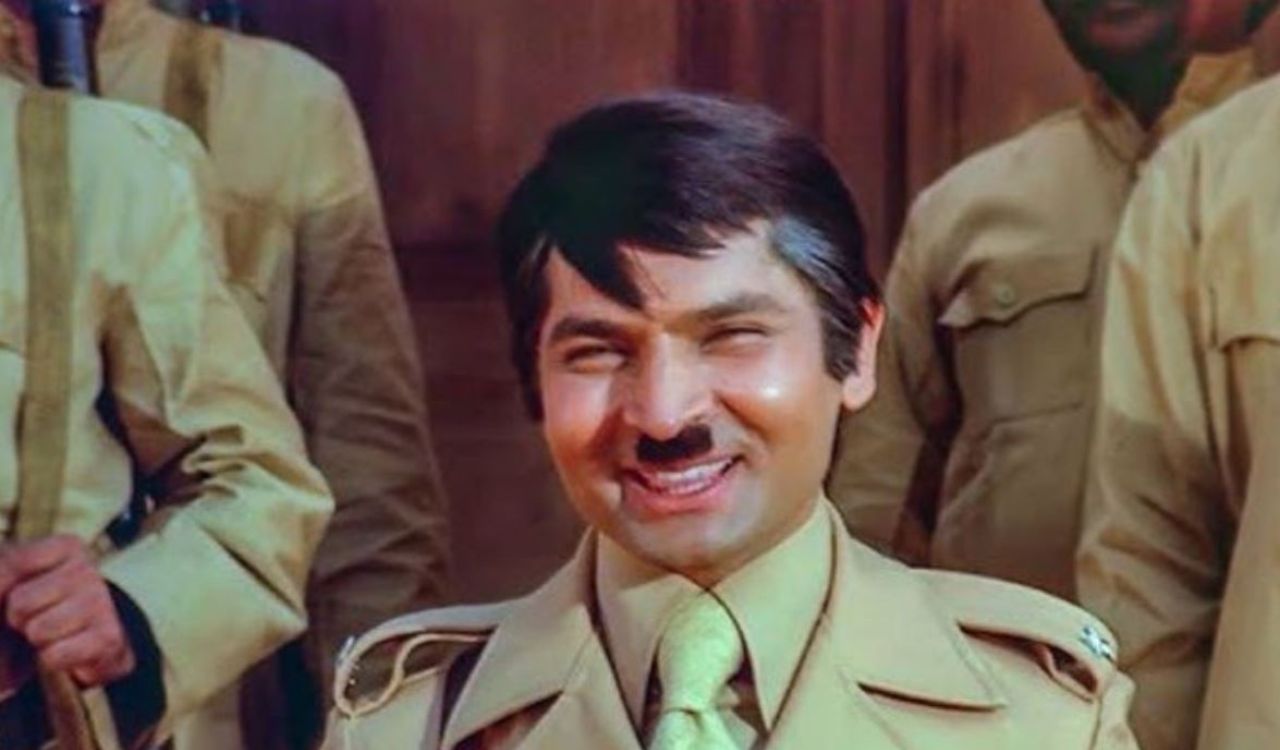
No remembrance of Asrani is complete without Sholay (1975). His portrayal of the over-the-top, Hitler-inspired jailor remains one of the most quoted and loved comic performances in Indian cinema.
In an interview earlier this year, Asrani reflected on the enduring popularity of his Sholay character, saying:
“Even after 50 years, there hasn’t been a single event where I wasn’t asked to recite those lines. I salute Ramesh Sippy saab and Salim-Javed saab — their writing made that role immortal.”
Director Ramesh Sippy once revealed that he had advised Asrani to take inspiration from Hitler for the role, creating a character that was both hilarious and unforgettable.
Beyond Acting: Asrani the Director and Mentor
Asrani wasn’t just a celebrated actor — he also ventured into direction, helming six films, including Chala Murari Hero Banne (1977), which reflected his own journey from anonymity to stardom.
He continued to inspire younger generations of actors, both through his teaching at FTII and his professionalism on set.
His last appearance was in the 2023 comedy film Non Stop Dhamaal, proving his enduring love for performing.
Family Statement: “The One Who Brought Smiles Is No More”
Confirming his passing, Asrani’s manager Babu Bhai Thiba told ANI,
“Asrani passed away today at 3 pm at Arogya Nidhi Hospital, Juhu.”
A heartfelt family statement on his official Instagram account read:
“Our beloved, the one who brought smiles to everyone’s faces, Asrani ji, is no longer among us. His passing is an irreparable loss for both Hindi cinema and our hearts. May God grant peace to his soul. Om Shanti.”
He is survived by his wife, actress Manju Asrani. His last rites were performed at Santacruz Crematorium in Mumbai on Monday evening.
Legacy and Tributes
Asrani leaves behind a body of work spanning over five decades and 350+ films — a rare feat in Indian cinema. Actors, filmmakers, and fans flooded social media with condolences, celebrating his immense contribution to the film industry.
His comic brilliance, emotional depth, and humility will continue to inspire generations of artists and audiences alike.
With Asrani’s passing, Indian cinema bids farewell to a man who embodied humor, heart, and humility. From his humble beginnings in Jaipur to his eternal mark on Bollywood, his life was a celebration of creativity and resilience.
Asrani once said, “An actor never really dies — his laughter lives on in people’s hearts.”
And indeed, for generations of Indians, Asrani will always live on — every time someone says, “Hum Angrezon ke zamane ke jailor hain!”
How did actor Asrani pass away?
He passed away in Mumbai on October 20, 2025, after a prolonged illness.
What was Asrani’s most famous role?
His portrayal of the jailor in Sholay (1975) remains one of the most iconic comic performances in Bollywood history.
Did Asrani also direct films?
Yes, Asrani directed six films, including Chala Murari Hero Banne (1977).
Was Asrani active in Gujarati cinema?
Absolutely. He acted in numerous Gujarati films and was widely respected in regional cinema circles.
What was Asrani’s last film?
He was last seen in Non Stop Dhamaal (2023), a comedy that showcased his timeless humor.
