


In this Psych Siddhartha movie review, we explore a film that arrives like a much-needed jolt to Telugu cinema’s increasingly safe landscape. When was the last time you encountered a regional film that genuinely surprised you with its audacity? Director Varun Reddy’s debut doesn’t just tell a story; it reimagines how stories can be told, creating a visual language that feels like graphic novels colliding with psychological realism.
This is Shree Nandu’s most daring, transformative performance to date, shedding every comfortable image to embrace raw vulnerability. With a narrative style that borrows from everything from comic books to experimental international cinema, Psych Siddhartha is the cinematic equivalent of that artist who shows up with unconventional ideas and somehow makes them brilliant.
Quick Takeaway:
Psych Siddhartha is a visually inventive, fearlessly unconventional dark comedy that succeeds as both character study and stylistic experiment. Though the simple plot occasionally struggles to match the ambition of its presentation, the film’s sheer creative courage, breakthrough performances, and that unforgettable visual grammar make it essential viewing for anyone craving bold, boundary-pushing Telugu cinema.
Language: Telugu
Genre: Dark Comedy, Psychological Drama, Experimental Cinema
Director: Varun Reddy
The Plot: Broken Souls Finding Unexpected Connection
At its heart, Psych Siddhartha is a redemption story—but calling it just that would miss the film’s innovative storytelling approach. The narrative follows Michael (Shree Nandu), whose world collapses when business partner Mansoor betrays him and girlfriend Trisha (Priyanka Rebekah Srinivas) chooses the betrayer over him. Isolated and psychologically fractured, Siddhartha withdraws completely.
Enter Shravya (Yaamini Bhaskar), escaping her own demons from an abusive marriage, who becomes his neighbor. An unexpected incident intertwines their damaged lives, setting both on unexpected paths toward healing.
The beauty of Varun Reddy’s approach lies in presentation over plot complexity. When you’re exploring psychological breakdown and recovery, the visual language becomes the story itself. The onomatopoeia, pop-up texts, and whacky transitions aren’t gimmicks—they’re how a fractured mind processes reality. It’s bold filmmaking that trusts audiences to embrace unconventional storytelling.
Performances: Everyone Shines in This Ensemble
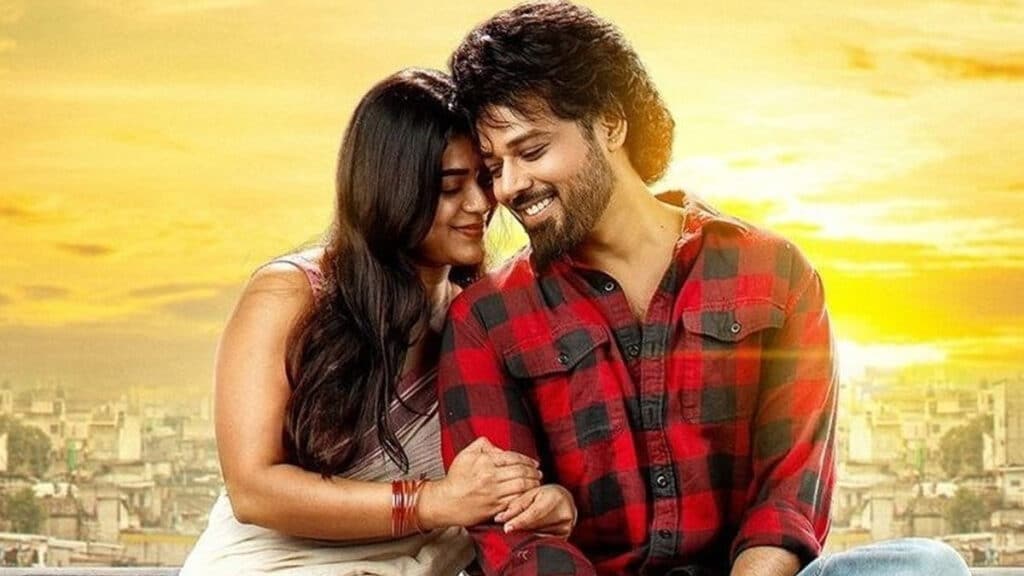
Shree Nandu: A Star Completely Transformed
This Psych Siddhartha movie review must begin with the revelation: Shree Nandu delivers a career-defining performance that will redefine his image permanently. For years, the actor played safe—friend roles, soft characters, comfortable territory. Here, he explodes every limitation with fearless commitment.
The physical commitment alone deserves applause—body language that conveys psychological states, expressions that shift between lucidity and chaos, voice modulation that captures someone teetering on edges. But it’s the quiet moments that truly showcase his range: glimpses of the person Siddhartha was before everything collapsed, flickers of hope breaking through despair.
Narasimha S (Simha): The Energy That Lights Up Every Scene
Every experimental film needs grounding energy, and Simha provides exactly that as Revanth, Siddhartha’s childhood friend. His infectious enthusiasm, razor-sharp comic timing, and natural charisma create breathing room within the intensity. His oral delivery brings genuine laughs without undermining the film’s serious themes.
The beauty of Simha’s performance lies in understanding his character’s function perfectly. Revanth isn’t comic relief in the traditional sense; he’s the reminder that life contains joy even amid darkness. His chemistry with Shree Nandu creates some of the film’s most memorable moments, particularly in the second half where their interactions provide genuine warmth.
Yaamini Bhaskar: A Welcome Return
Yaamini Bhaskar marks her big-screen return with a role that demands both fragility and strength. Shravya could easily have become a one-dimensional character—the woman escaping abuse—but Yaamini finds layers within the writing. Her portrayal of someone rebuilding identity after trauma brings necessary emotional depth.
Her scenes with Shree Nandu in the second half showcase genuine chemistry. The film wisely allows their connection to develop organically rather than forcing instant romance, and both actors handle this gradual bonding beautifully.
Priyanka Rebekah Srinivas: Making Her Moments Count
Despite limited screen time as Trisha, Priyanka creates a memorable presence. She avoids playing the “villain girlfriend” stereotype, instead suggesting complexity in someone making difficult choices. Her scenes establish the betrayal that triggers Siddhartha’s breakdown with emotional authenticity.
Direction and Vision: A Debutant Announcing His Arrival
Varun Reddy makes the kind of confident directorial debut that immediately establishes him as a filmmaker watching closely. His decision to tell a simple story through complex visual language recalls international experimental cinema while remaining distinctly Telugu in sensibility.
The comic-book aesthetic isn’t just stylistic flourish; it serves the narrative. When you’re exploring psychological breakdown, reality itself becomes unreliable. The pop-up texts, onomatopoeia, and whacky cuts visualize Siddhartha’s fractured perception. It’s brave storytelling that refuses to hold audiences’ hands.
What’s particularly impressive is Reddy’s confidence in his vision. Lesser directors might have pulled back, worried about alienating mainstream audiences. Instead, he doubles down on unconventional choices, trusting that execution quality will win audiences over. That faith pays off magnificently.
The two-hour runtime demonstrates admirable restraint—this could easily have spiraled into indulgent excess. Instead, Reddy keeps momentum strong, understanding that experimental doesn’t mean endless.
Technical Brilliance: Craft Elevating Vision
Cinematography: Reality Through a Fractured Lens
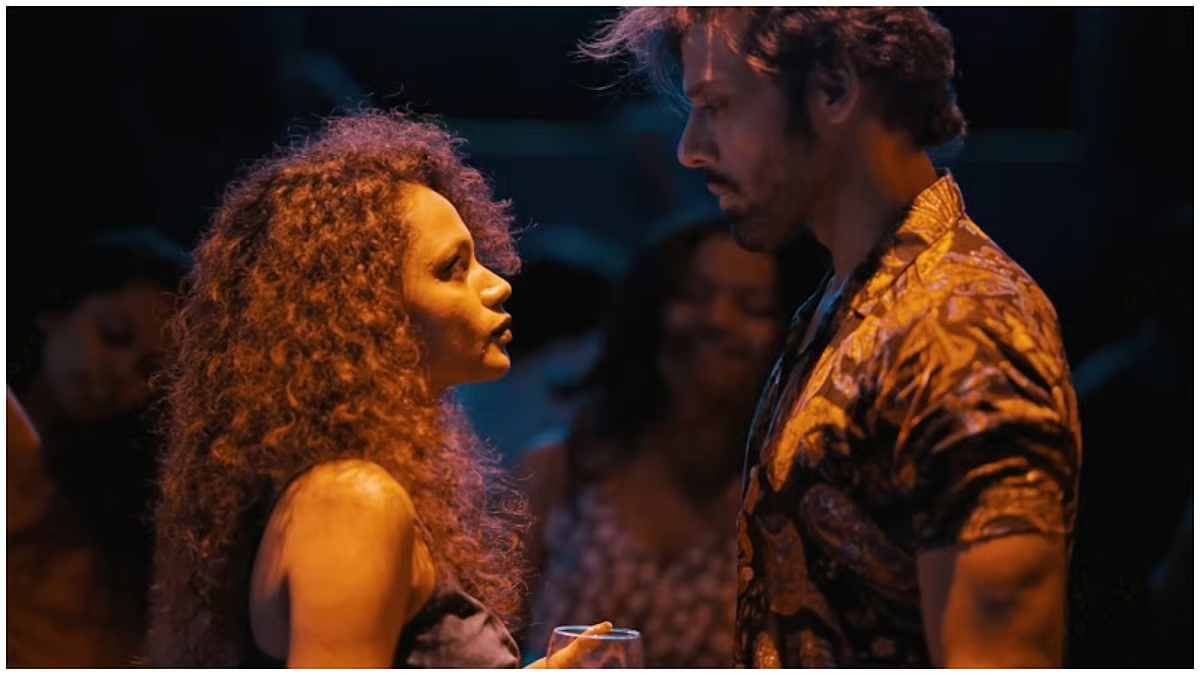
K Prakash Reddy creates a visual palette that perfectly captures the film’s psychological landscape. The camera work maintains clarity while embracing chaos—no easy balance. Colors, compositions, and framing choices all reinforce character states without becoming heavy-handed.
What stands out is the willingness to experiment with unconventional angles and framing. Traditional grammar would demand certain shots; Reddy and his cinematographer instead choose what serves the story’s psychological truth. The gritty mood is maintained throughout without sacrificing visual beauty.
Music and Sound: Aural Storytelling at Its Finest
Smaran Sai delivers a soundtrack that becomes integral to storytelling rather than mere accompaniment. The score shifts seamlessly between contrasting moods—manic energy, quiet introspection, emotional release, comedic beats—always enhancing without overwhelming.
The background score particularly shines in supporting character arcs. Musical choices reflect internal states, guiding audiences through psychological journeys without dialogue exposition. It’s sophisticated sound work that understands cinema as multisensory experience.
Editing: Making Chaos Coherent
Prateek Nuti’s editing maintains narrative clarity despite the film’s experimental approach. The sharp cuts and creative transitions align perfectly with the director’s vision while never losing story thread. Keeping this kind of stylistic ambition coherent across two hours requires skill, and Nuti delivers consistently.
The pacing works beautifully—scenes that could drag are cut at perfect moments, maintaining momentum without feeling rushed. The visual storytelling techniques are integrated smoothly, making the unconventional feel natural.
Production Values: Independent Film Excellence
Despite independent production, Psych Siddhartha maintains professional polish throughout. Producers Shree Nandu and Shyam Sunder Reddy Thudi invested resources intelligently, ensuring quality never compromises ambition. The film looks and sounds significantly more expensive than its budget, testament to smart planning and talented technical teams.
Cultural Significance: Telugu Cinema Needs More of This
This Psych Siddhartha movie review must acknowledge the film’s importance beyond entertainment value. In a landscape dominated by safe formulas and pan-Indian ambitions, here’s a film that proudly embraces artistic risk. It proves that Telugu independent cinema can compete creatively with any industry globally.
The willingness to explore psychological themes through unconventional grammar opens doors for future filmmakers. Psych Siddhartha demonstrates that audiences are ready for experimentation, that commercial viability doesn’t require creative compromise.
Strengths: What Makes This Film Special
- Varun Reddy’s visionary directorial debut – Confidence and clarity rare in first-time filmmakers
- Innovative visual storytelling – Comic-book aesthetic that serves psychological narrative perfectly
- Narasimha S’s energetic supporting work – Comedy and warmth that balance intensity beautifully
- Crisp two-hour runtime – Experimental without becoming indulgent or exhausting
- Technical excellence across all departments – Cinematography, music, editing all superb
- Strong ensemble chemistry – Every actor understanding and delivering their role perfectly
Minor Areas for Growth
- Narrative depth could match visual ambition – The simple core story sometimes struggles to support elaborate presentation
- Tonal intensity might overwhelm some viewers – The commitment to raw, loud energy may feel exhausting in stretches
- Supporting character development – Mansoor and Trisha deserved deeper exploration beyond plot function
These are minor observations about a film that succeeds far more than it stumbles. The ambition alone deserves celebration, and the execution quality ensures this isn’t just interesting but genuinely entertaining.
Final Verdict: 4/5 Stars ⭐⭐⭐⭐
Psych Siddhartha represents exactly what Telugu independent cinema needs—a film proving that artistic ambition and entertainment value aren’t mutually exclusive, that audiences hunger for originality, and that the space between experimental and accessible is where magic happens.
For viewers tired of formulaic entertainment, craving something genuinely different, wanting to see what happens when talented people refuse to play safe—Psych Siddhartha delivers. This is cinema that challenges, entertains, and lingers in memory long after credits roll.
The madness is purposeful. The chaos serves story. And within all that beautiful disorder lies a genuine exploration of human fragility, resilience, and redemption—bold, unconventional, and absolutely worth experiencing.
