


In this One Two Cha Cha Chaa movie review, we explore a film that arrives like a breath of fresh air in an era dominated by chest-thumping action and dark thrillers. When was the last time you walked into a theater simply craving laughter—pure, uncomplicated, belly-aching laughter? One Two Cha Cha Chaa delivers exactly that, proving that sometimes the best medicine for serious times is genuinely silly cinema executed with complete sincerity.
Directors Abhishek Raj Khemka and Rajneesh Thakur don’t pretend to reinvent comedy. Instead, they embrace the chaos theory of filmmaking—take one bipolar uncle, add confused nephews, throw in criminals and cops, shake vigorously, and watch the madness unfold. This is Ashutosh Rana’s first full-fledged comic role in years, and watching this legendary villain transform into a comedic powerhouse is nothing short of revelatory.
Quick Takeaway:
One Two Cha Cha Chaa is honest, unapologetic entertainment that remembers cinema’s primary job is making audiences happy. While the road trip structure occasionally stretches, Ashutosh Rana’s transformative performance, excellent ensemble chemistry, and the film’s sheer commitment to joy make it essential viewing for anyone who misses the golden era of Hera Pheri and Dhamaal.
Language: Hindi
Age Rating: U/A
Genre: Comedy, Road Trip, Family Entertainer
Directors: Abhishek Raj Khemka and Rajneesh Thakur
The Plot: When Family Duty Becomes Absolute Madness
At its heart, One Two Cha Cha Chaa is beautifully simple—a family road trip gone spectacularly wrong. Set in the vibrant landscape of Bihar, the story kicks off during wedding preparations for Sanju Jaiswal (Lalit Prabhakar), when his bipolar uncle Ved Prakash Jaiswal (Ashutosh Rana) suddenly announces his intention to marry before his nephew’s engagement.
The family, following medical advice, decides to take Uncle to a mental health facility in Ranchi. What should be a straightforward journey becomes a full-blown circus when their van becomes the unlikely intersection point for suspended narcotics officers hunting mysterious packages, the enigmatic dancer Shoma “440” Volt (Nyrraa M Banerji), escaped criminal Bhura Singh (Abhimanyu Singh), and various other colorful characters whose agendas collide spectacularly.
The beauty of this approach is its honesty. The film never pretends to deliver complex social commentary or groundbreaking narratives. It commits fully to situational comedy, understanding that when confusion meets desperation meets sheer bad luck, magic happens. Every misunderstanding escalates naturally, every character’s panic feels earned, and the chaos never feels manufactured—it emerges organically from people making terrible decisions with complete conviction.
Performances: A Masterclass in Comic Ensemble Work
Ashutosh Rana: The Revelation We Didn’t Know We Needed
This One Two Cha Cha Chaa movie review must begin by celebrating Ashutosh Rana’s extraordinary transformation. For decades, this man haunted our nightmares with bone-chilling performances in Dushman and Sangharsh. Who knew he possessed such impeccable comic timing, such childlike vulnerability, such ability to make us laugh and feel simultaneously?
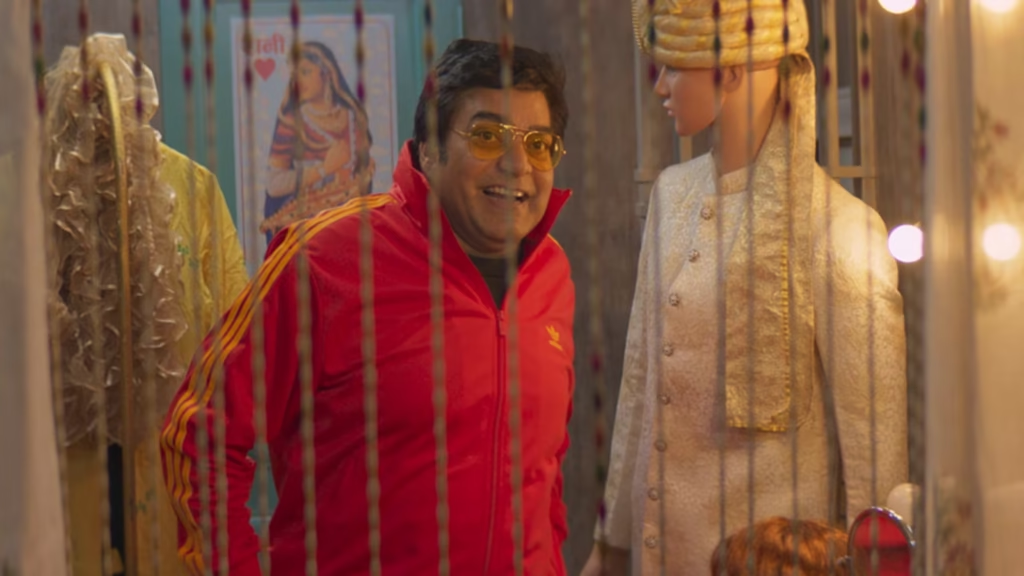
His Ved Prakash Jaiswal never becomes a caricature despite the character’s condition. Rana infuses the role with genuine humanity—you see the confusion, the innocence, the moments of clarity that make him far more than a plot device. Watch his body language shift between childlike wonder and unexpected wisdom. Notice how his facial expressions communicate volumes without dialogue. Even his smile, which once promised terror, now delivers pure joy.
What’s remarkable is Rana’s commitment. Lesser actors might wink at the camera, maintaining ironic distance from silly material. Rana dives in completely, treating every absurd situation with absolute seriousness. That’s the secret to great comedy—the actor must believe, even when audiences recognize the ridiculousness. This performance opens exciting new dimensions for Rana’s already legendary career.
The Trio: Chemistry That Makes Chaos Believable
Lalit Prabhakar, Anant Vijay Joshi, and Harsh Mayar form the film’s comedic backbone. Their chemistry recalls the golden age of ensemble comedies when collective fun mattered more than individual showcase. Prabhakar grounds the madness as the responsible nephew whose world spirals beautifully out of control. Joshi and Mayar add perfectly calibrated chaos—nervous energy here, unexpected punchlines there, always supporting each other’s comedy rather than competing.
The beauty is in their coordination. Watch how they react to escalating situations—nobody oversells, nobody underplays. They’ve achieved that rare ensemble rhythm where the whole genuinely exceeds the sum of parts. Their camaraderie feels authentic, making us root for these hapless souls trapped in impossible circumstances.
Nyrraa M Banerji: Electrifying the Second Half
Nyrraa M Banerji as Shoma “440” Volt brings essential energy to male-dominated chaos. She refuses to be mere decoration, holding her own against established performers with charisma and comic flair. Her “440 Volt” nickname proves apt—she genuinely electrifies scenes, adding romantic tension and unpredictability without overwhelming the ensemble dynamic.
Abhimanyu Singh and Supporting Excellence
Abhimanyu Singh makes memorable impact despite limited screen time. His Bhura Singh adds legitimate danger without sacrificing humor—a tricky balance executed perfectly. The supporting cast including Mukesh Tiwari, Ashok Pathak, Chittaranjan Giri, and Hemal Ingle create Bihar’s authentic flavor. Everyone understands the assignment: play it completely straight within absurd contexts, and trust the situations to generate laughs.
Direction and Vision: Chaos With Clear Purpose
Abhishek Raj Khemka and Rajneesh Thakur make decisions that demonstrate genuine understanding of comedy filmmaking. They resist the modern temptation to elevate slapstick into pseudo-intellectual territory. Instead, they embrace their chosen genre completely, executing it with competence and clear vision.
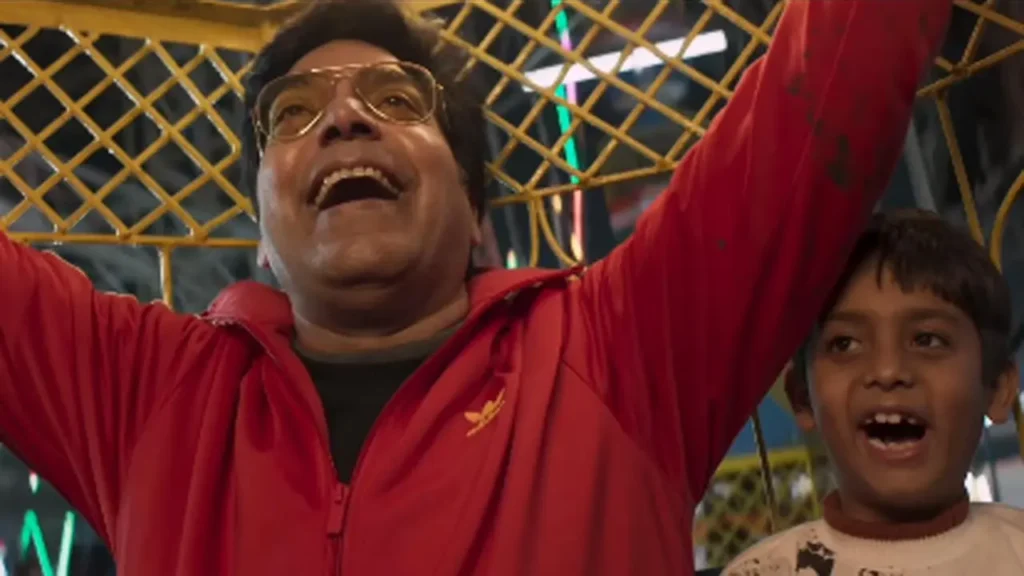
The directors keep comedy rooted in situations rather than forced gags. The road journey structure could easily become repetitive, but they vary rhythms expertly—moments of manic energy followed by character breathing room, intimate van sequences balanced with expansive exterior chaos. They understand when to let scenes develop naturally and when to accelerate toward the next plot complication.
Most impressively, they never lose sight of emotional core. Ved Prakash’s condition isn’t exploited—it’s treated with unexpected sensitivity. The family’s genuine concern grounds the comedy, reminding us that beneath all absurdity are real people who care about each other. This emotional foundation prevents the film from becoming hollow spectacle.
The meta-humor works because directors trust their audience. When characters comment on their own absurd situations, it feels like shared acknowledgment between filmmakers and viewers rather than smug superiority. The Hera Pheri and Dhamaal influences are worn proudly, but the film carves distinct identity through thoroughly desi sensibilities and regional authenticity.
Technical Brilliance: Craft Supporting Comedy
Cinematography and Visual Energy
The cinematography captures Bihar’s vibrant essence while maintaining visual energy essential to comedy. Colors pop with warmth and saturation, creating an inviting aesthetic that matches the film’s accessible nature. The camera work balances intimacy during van sequences with expansive shots that emphasize the journey’s scope. Nothing attempts inappropriate sophistication—clarity and energy take priority, exactly as comedy requires.
Music and Sound Design: The Unsung Heroes
The background score deserves special celebration for maintaining tonal consistency across wildly shifting situations. The music seamlessly transitions from family comedy to chase sequences, supporting rather than overwhelming. The composers understand that comedy requires precise musical timing—silence can amplify punchlines, while music can heighten absurdity.
The peppy, comic yet occasionally intense score ensures zero dull moments. Every musical choice feels intentional, enhancing rather than distracting from the comedy and performances.
Editing: Keeping Brisk Pace
Despite the nearly three-hour runtime, editing maintains impressive momentum. The editors demonstrate skill in balancing multiple character threads as chaos expands, ensuring audiences remain oriented despite increasing complexity. Scene transitions feel natural, and pacing allows comic moments proper breathing room without dragging. This is difficult work executed with professional competence.
What Makes This Work: Celebrating Honest Entertainment
- Ashutosh Rana’s Career-Redefining Work – This performance alone justifies theatrical viewing. Watching a legendary villain embrace comedy with such joy and skill provides genuine revelation.
- Ensemble Chemistry That Feels Authentic – The cast operates as a genuine unit, their collective energy recalling classic multi-starrer comedies where fun was collaborative rather than competitive.
- Honest Intentions Without Pretension – The film never apologizes for being slapstick comedy. This honesty allows audiences to engage appropriately rather than feeling deceived.
- Rooted Regional Authenticity – The Bihar setting feels lived-in, giving the film distinctive flavor that separates it from generic comedies.
- Situational Comedy Excellence – The writing excels at creating absurd situations that feel consequential to characters while audiences recognize the ridiculousness.
- Professional Technical Execution – Background score, editing, and cinematography all serve the story effectively, elevating material that could become amateurish in less capable hands.
Minor Areas for Enhancement
The road journey occasionally stretches beyond optimal length—some sequences could benefit from tighter editing. The runtime pushes toward three hours, and trimming 10-15 minutes would sharpen momentum without losing essential comedy.
Some slapstick moments lean harder than necessary, potentially limiting appeal for audiences preferring subtler humor. The film’s commitment to unapologetic loudness creates specific target demographics rather than universal accessibility.
Female representation remains limited despite Nyrraa M Banerji’s strong performance. Additional female characters with agency would strengthen ensemble diversity.
Final Verdict: 5/5 Stars ⭐⭐⭐⭐⭐
One Two Cha Cha Chaa succeeds brilliantly at what it attempts—delivering pure, uncomplicated entertainment that reminds us why we fell in love with cinema. In an era of increasingly serious, self-important films, this unabashed celebration of silliness feels genuinely refreshing.
This One Two Cha Cha Chaa movie review celebrates directors who understand their material’s strengths, actors who commit completely to comedy, and technical teams who elevate commercial intentions with professional craft. Yes, the runtime could be tighter. Yes, some humor lands harder than others. But these are minor concerns about a film that swings boldly, entertains consistently, and delivers some genuinely memorable moments.
Ashutosh Rana reminds us why versatility defines great actors—not through safe choices, but through fearless exploration of new territory. The ensemble demonstrates that Malayalam and Hindi cinema’s strength has always been depth of talented performers willing to serve the story rather than their individual images.
The Return of Unapologetic Fun
There’s specific joy in watching films that refuse to apologize for making audiences happy. In an industry increasingly dominated by dark psychological thrillers and action spectacles, One Two Cha Cha Chaa feels like permission to simply laugh—loudly, freely, without intellectual justification.
After years of comedy films that try too hard to be something more, One Two Cha Cha Chaa delivers by being exactly what it promises—chaotic, silly, heartfelt entertainment executed with sincerity and skill. This is what happens when talented actors, competent directors, and committed technical crews decide that making people laugh is honorable work worth doing well.
The madness is intentional. The silliness is the point. And somewhere in all that controlled chaos is genuine love for comedy itself—unpretentious, generous, and absolutely enjoyable. Perfect for those seeking mental breaks from life’s genuine chaos, delivered with professional craft and infectious enthusiasm.
