


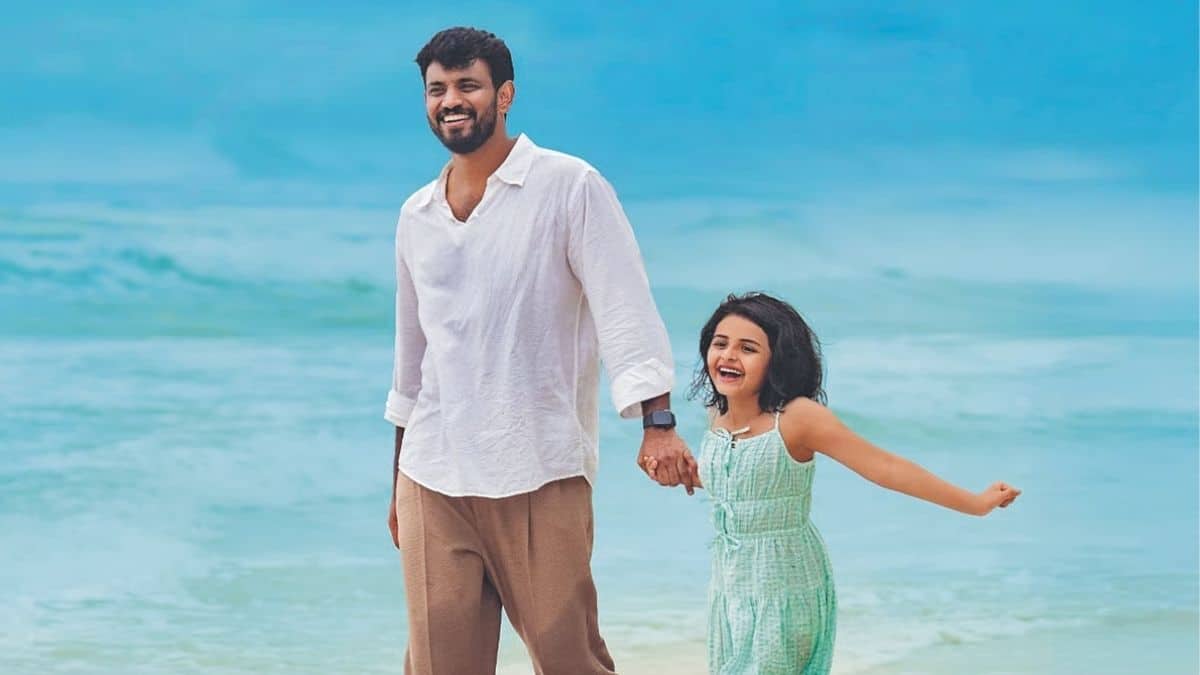
In this Love Mocktail 3 movie review, we look at a film that does something quietly remarkable — it resists the temptation to go bigger and instead chooses to go deeper. When was the last time a trilogy finale moved you not with spectacle, but with a bedtime story, a school run, and a father’s silent fear of losing his child? Love Mocktail 3 is that film. Darling Krishna, wearing his triple hat as writer, director, and lead actor, brings his beloved franchise to a close with confidence, warmth, and genuine emotional intelligence.
This is not a film that shouts for your attention. It earns it — quietly, steadily, and completely.
Love Mocktail 3 is a warm, beautifully crafted family drama that completes the Love Mocktail trilogy in the most satisfying way possible. Powered by Darling Krishna’s most mature performance and an extraordinary breakout turn by child artist Samvrutha, the film shifts from romance to something even more enduring — the unconditional love between a father and his adopted daughter. Wholesome, emotional, and genuinely moving.
Language: Kannada
Age Rating: U/A
Genre: Family Drama, Emotional Comedy
Director: Darling Krishna
Release Date: March 19, 2026
The Plot: Love in Its Most Unconditional Form
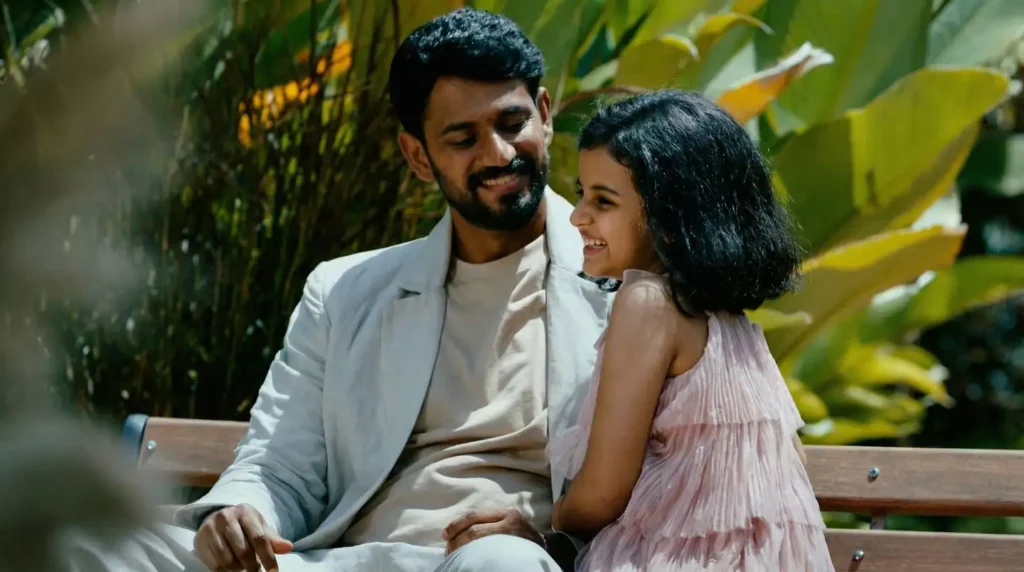
At its core, Love Mocktail 3 is a father-daughter story — but calling it just that would not do it justice. The film picks up after Aditya (Darling Krishna) adopts Nidhi (Samvrutha), the young orphan girl from the end of the second film. Their little household — held together by the ever-lovable Jaggi Mummy and regularly visited by best friend Viju (Abhilash) — runs on school-day chaos, small joys, and quiet, lived-in love.
The first half breathes warmly through this domestic world, letting the bond between father and daughter unfold at a beautifully unhurried pace. But the calm does not last. A sudden emotional and legal crisis puts everything Aadi has built at risk, forcing him to fight for the daughter he has chosen to love. How far will he go? That question, wrapped in heart, humour, and hard-earned emotion, is what drives the film to its deeply satisfying conclusion.
Performances: Where the Film Truly Shines
Darling Krishna — A Star at His Most Grounded
Krishna delivers his finest performance across the trilogy. His Aadi has grown — from the impulsive, lovestruck young man of the first film to a steady, devoted father — and that transformation feels completely earned. He never reaches for drama, always choosing stillness and sincerity over spectacle. His natural charm remains, now wrapped in the quiet dignity of a man who has found his purpose. It is a performance that settles rather than soars — and stays with you long after the credits roll.
Samvrutha — The Soul of the Entire Film
If there is one reason to rush to the theatres, it is Samvrutha as Nidhi. The film is built entirely around her presence, and she is nothing short of remarkable. Shifting between playfulness, mischief, and genuine vulnerability without missing a beat, she creates a character that audiences will fall completely in love with. This is not a child artist merely supporting the story — she is the emotional lens through which the entire film is experienced. A truly special performance.
The Supporting Cast — Warm, Well-Written, and Perfectly Placed
Abhilash as Viju is the steady, dependable constant across all three films — the best friend who means everything without needing to say much. Jagadish as Jaggi Mummy brings warmth and well-timed comedy that makes every scene feel like home. Dileep Raj, Shwetha Prasad, Rekha Kudligi, and Neyaara Deepak round out the ensemble with sincerity, while brief appearances by Milana Nagaraj and Rajani Bharadwaj serve as meaningful emotional callbacks to Aadi’s earlier journey. What stands out is not just the performances but the quality of character writing — each role is etched with care and relatability.
Direction: Intimate, Mature, and Completely in Control
As a director, Krishna shows real growth in this third chapter. He keeps the visual language consistent with the earlier films — intimate, character-close, and deliberately unshowy — while allowing the emotional layers to run much deeper. He handles the film’s tonal shifts between lightness and gravity with a steady, confident hand, never tipping into melodrama even when the stakes are at their highest. It is quiet, purposeful filmmaking that trusts its material completely. A controlled, thoughtful approach that marks a filmmaker at his most assured.
Technical Craft
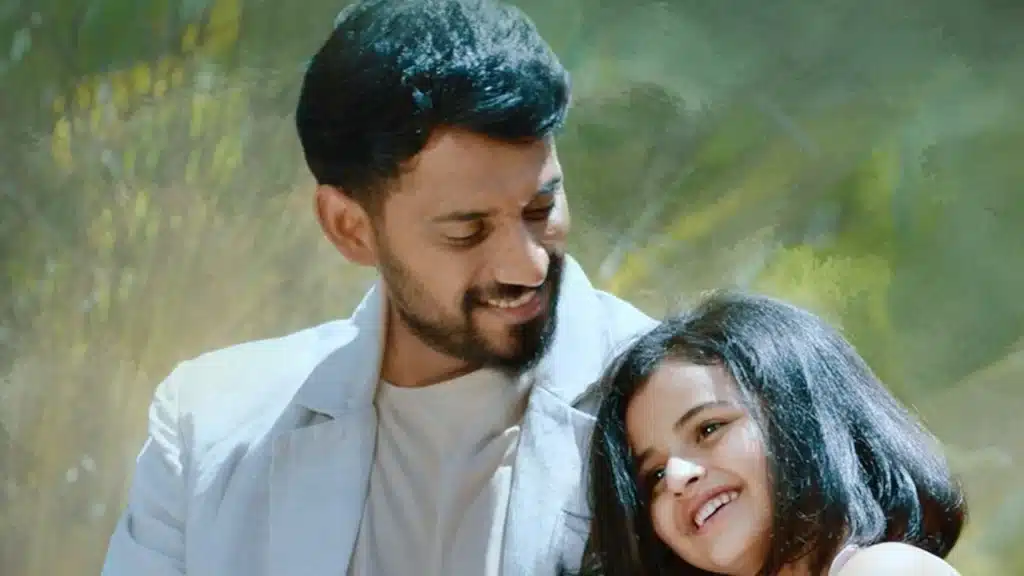
Music: Nakul Abhyankar’s score is understated, gentle, and deeply effective. The song Muddu Magale is the film’s emotional centrepiece — a beautiful expression of the father-daughter bond that lingers well after the film ends. Each Love Mocktail instalment has been elevated by its music, and the third is no exception.
Cinematography: Sri Crazy Mindzz maintains the franchise’s intimate visual style, keeping the camera close to the characters and their emotions. In key dramatic moments, the lens captures feeling with real sensitivity.
Editing: The editing honours the film’s unhurried rhythm without ever losing momentum, ensuring smooth transitions between the breezy first half and the more emotionally demanding second.
Strengths and Weaknesses
What Works Brilliantly
- Samvrutha’s extraordinary performance — an instant, unforgettable screen presence
- Darling Krishna’s most mature and sincere acting in the trilogy
- Layered, heartfelt writing with the right balance of humour, drama, and emotion
- Nakul Abhyankar’s music — gentle, memorable, and perfectly timed
- A deeply satisfying trilogy closure that honours everything that came before
- Universal family appeal — a rare film that works for every age group
Minor Areas to Note
- The gentle first-half pacing asks for patience from viewers expecting early conflict
- The visual style, while consistent and charming, does not push into new cinematic territory
Final Verdict — 5/5 Stars ⭐⭐⭐⭐⭐
Love Mocktail 3 is exactly what a trilogy finale should be — not louder or bigger, but richer and more meaningful. Darling Krishna has made a film that understands precisely where it stands in the arc of love: not in its hopeful beginning, not in its painful heartbreak, but in its most enduring, unconditional form — the kind a parent feels for a child.
With Samvrutha’s magical presence, Krishna’s most grounded performance, and a script that consistently chooses emotion over noise, this is wholesome, moving, and genuinely beautiful cinema. It moves at its own gentle pace, unafraid of silence — and in that slowness lies its greatest, most lasting strength.
After three films, Darling Krishna has not just told a love story. He has traced the full journey of what love becomes when it truly grows up. Love Mocktail 3 is the finest chapter of that journey — and an unforgettable one at that.
What is the age rating of Love Mocktail 3?
Love Mocktail 3 holds a U/A certificate, making it appropriate for all age groups.
Can we watch Love Mocktail 3 with kids?
Absolutely — in fact, it is one of the best family outings Kannada cinema has offered this year.
Is Love Mocktail 3 based on a true story?
No, Love Mocktail 3 is not based on a true story.
