


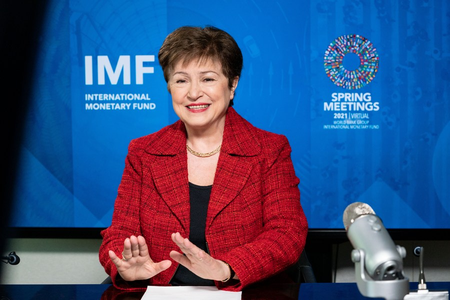
The International Monetary Fund’s Managing Director, Kristalina Georgieva, has cautioned that the global economy is expected to decelerate in 2026. This slowdown is attributed to disruptions in energy supplies and trade routes caused by ongoing conflicts, leading to price hikes and reduced growth rates. Georgieva highlighted that even a brief conflict could result in significant infrastructure damage and supply chain issues, impacting global growth from 3.4% in the previous year to 3.1% in 2026.
Mounting risks from supply chain disruptions, especially in Asia, have been flagged by the IMF. Georgieva noted emerging shortages not only in oil and gas but also in other essential resources like helium and NAFTA. She emphasized that these effects are likely to intensify in the upcoming weeks, with logistical delays prolonging the impact even after the conflict ceases.
Inflation concerns are on the rise, with the IMF revising its 2026 inflation projections upwards. Georgieva pointed out that short-term inflation expectations have surged in the United States and Europe, while long-term expectations remain relatively stable. The IMF chief also warned about potential food price pressures if fertilizer supply chains continue to face strain, citing instances of significant price hikes in Africa.
Georgieva advised caution in policy responses, urging central banks to exercise prudence and avoid hasty decisions. She emphasized the need for a balanced approach in fiscal policies, as global public debt is projected to exceed 100% of GDP by 2029. The IMF chief highlighted the importance of targeted interventions to address the challenges posed by high prices, cautioning against broad, indiscriminate measures that could exacerbate economic strains.
