


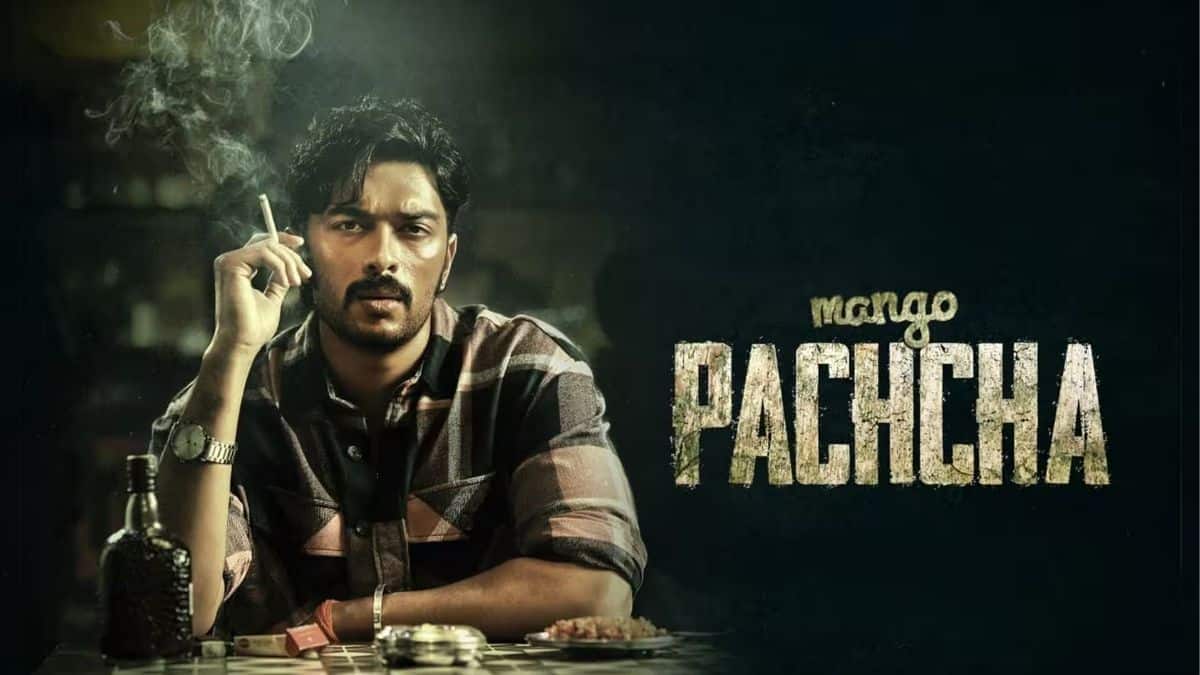
Kannada cinema has always had a knack for telling stories rooted in the soil of Karnataka, and Mango Pachcha is the latest entry to carry that tradition forward with conviction. Directed by debutant Viveka Prakash and set in the nostalgic streets of 2000s Mysore, this crime drama introduces a fresh face in Sanchith Sanjeev while weaving a compelling tale of family secrets, underground crime, and the hunger for respect. With its period atmosphere, emotionally layered writing, and a standout ensemble cast, Mango Pachcha arrives as one of the more memorable Kannada releases of early 2026.
Mango Pachcha is a confident and emotionally grounded Kannada crime drama set in 2000s Mysore. While the larger narrative follows a fairly familiar rise-of-a-local-hero arc, the film distinguishes itself through its nuanced character relationships, period-accurate world-building, and strong performances across the board. Sanchith Sanjeev makes a striking debut, and the emotional core — particularly the Pachcha-Nagappa dynamic — gives the film real weight. Director Viveka Prakash brings a maturity to his first feature that bodes well for his future. If you enjoy gritty, character-driven crime dramas with heart, Mango Pachcha is well worth your time.
Cast & Crew
| Role | Name |
|---|---|
| Director | Viveka Prakash |
| Cinematography | Shekar Chandru |
| Music | Charan Raj |
| Sanchith Sanjeev | Prashanth “Pachcha” |
| Kaajal Kunder | Suji |
| Mayur Patel | Nagappa |
| Harini | Padma |
| Jai Gopinath | Shyama |
| Hamsa Prathap | Nagappa’s Wife |
| Ugram Manju | Supporting Role |
| Mahadev Prasad | Supporting Role |
| Bhavana | Police Inspector |
| Daali Dhananjaya | Special Cameo |
Plot Summary
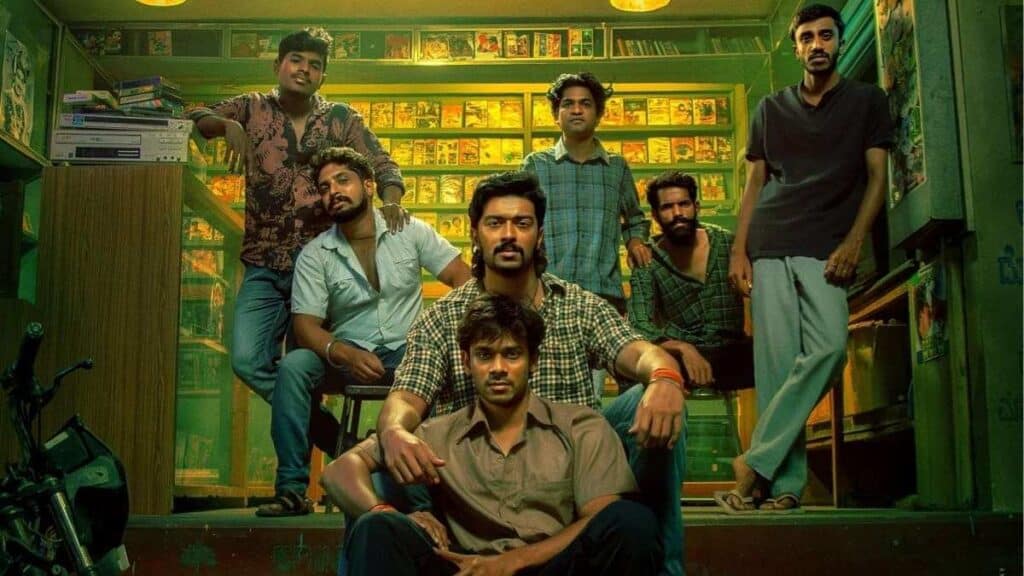
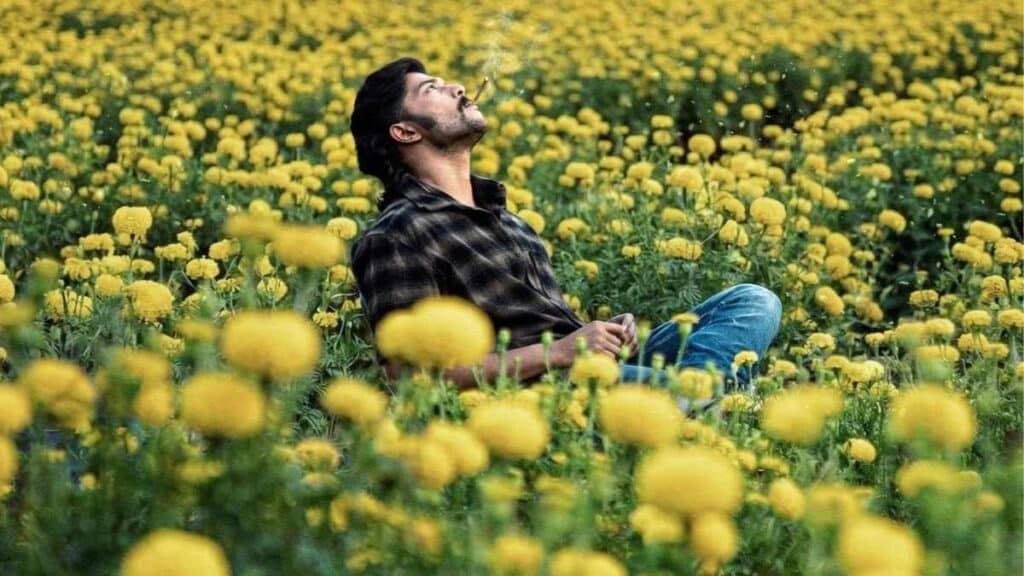
Set in Mysore during the early 2000s, Mango Pachcha follows Prashanth — nicknamed Pachcha — a humble CD rental shop owner living a quiet life with his girlfriend Suji, his mother Padma, and his younger brother Shyama. When his father passes away, Pachcha’s world is upended by the revelation of a hidden first family: a legal son named Nagappa, his wife, and Nagappa’s brother-in-law Sridhara. Behind the family’s sprawling marigold farms lies a secret marijuana trade. With Mysore Corporation Mayor Mahendra stepping in to mediate the fallout, Pachcha is gradually drawn into this underground world. What begins as reluctant involvement slowly transforms into a calculated rise — and the birth of the man the city will come to know as Mango Pachcha.
Performances
Sanchith Sanjeev (Pachcha) announces himself with rare confidence in his big-screen debut. Playing a man driven by the quiet, burning desire for respect rather than mere power, Sanjeev brings both vulnerability and authority to Pachcha in equal measure. He commands the screen naturally, carrying the film on his shoulders without ever feeling forced or over-the-top. A remarkable first outing.
Mayur Patel (Nagappa) is arguably the film’s most pleasant surprise. As the legal heir who shares a complicated bond with Pachcha, Patel brings layers of nuance to every scene. His chemistry with Sanjeev is the emotional engine of the film, and he handles the role’s shifting moral complexity with impressive restraint and skill.
Kaajal Kunder (Suji) delivers a performance of quiet strength. Rather than being reduced to a passive love interest, Suji is written and played as a grounded, emotionally intelligent presence — and Kunder ensures every scene she occupies has meaning and weight.
Harini (Padma) brings warmth and dignity to the emotionally delicate role of Pachcha’s mother, a woman navigating a deeply uncomfortable position within her late husband’s dual family. Harini handles the role’s sensitivity with grace.
Jai Gopinath (Shyama) adds genuine heart to the family dynamic as Pachcha’s brother. His scenes alongside Sanjeev carry an easy, believable warmth that anchors the story’s emotional stakes.
Also Read: Parimala And Co (2026) Review: Pandiraj’s Warm Whodunit Is a Comfortable, Crowd-Pleasing Ride
Hamsa Prathap makes a strong impression as Nagappa’s wife, holding her own in a role that requires both composure and controlled emotion. She contributes meaningfully to the film’s family drama thread.
Ugram Manju and Mahadev Prasad provide solid, reliable support throughout, filling out the world of the film with credible performances that strengthen the ensemble.
Bhavana (Police Inspector) brings crisp authority to her role, adding an important institutional dimension to the crime narrative and leaving a strong impression in her scenes.
Daali Dhananjaya lights up the screen in his special cameo, bringing exactly the kind of electric energy one expects from him. Even in limited screen time, he is utterly in his element and leaves the audience wanting more.
Technical Analysis
Direction — Viveka Prakash makes a genuinely impressive directorial debut. While the film operates within the conventions of the crime genre, Prakash demonstrates a clear strength in character writing and emotional storytelling. His ability to balance the mass-hero elements with more intimate, human moments marks him as a filmmaker with a distinct sensibility worth following.
Cinematography — Shekar Chandru does excellent work evoking the texture of 2000s Mysore. The visual palette is warm, lived-in, and period-appropriate, capturing both the bustle of the city’s streets and the quieter domestic spaces with equal care. The framing of key dramatic moments is assured and purposeful.
Music — Charan Raj delivers a score that complements the film’s tone effectively. The music never overshadows the narrative, instead working in service of the emotional beats — a restraint that suits the film’s grounded approach. The period setting also allows for a soundtrack that adds to the nostalgic atmosphere.
Editing keeps the film moving at a largely steady pace, though some sequences in the middle stretch could have been tightened. At 2 hours and 2 minutes, the film is a manageable length, and the editing ensures the story never completely loses momentum.
Period Design & Production deserve special mention. The recreation of 2000s Mysore — through CD rental shops, BPL televisions, Softy ice cream machines, Maruti Zen cars, and early mobile phones — is convincing and immersive, adding a layer of nostalgic authenticity that enriches the viewing experience considerably.
Strengths & Weaknesses
Strengths
- Emotionally mature writing, particularly the Pachcha-Nagappa relationship and Padma’s storyline
- Sanchith Sanjeev’s confident and compelling debut performance
- Authentic and immersive 2000s Mysore period setting
- Strong ensemble cast with no weak links
- Thoughtful portrayal of Suji as a character with agency and depth
- A debutant director who clearly understands both genre and human drama
Weaknesses
- The larger crime narrative follows a predictable, well-worn arc
- Some story beats lack the suspense needed to fully engage
- The emotional impact, while often strong, does not always land with full force
- A tighter second act could have elevated the overall impact
Final Verdict: ⭐⭐⭐⭐ 4.5/5
Mango Pachcha is far more than just another Kannada crime drama. Viveka Prakash’s debut feature succeeds where many genre films fail — it gives you characters worth investing in and a world you genuinely want to inhabit. Sanchith Sanjeev is a star in the making, and the film around him is crafted with care, conviction, and emotional intelligence. Its familiar beats are a limitation, but they are never enough to dim the film’s considerable strengths. For fans of gritty, character-first crime cinema with a strong sense of place and heart, Mango Pachcha is a very rewarding watch.
What is the age certification / UA rating of Mango Pachcha?
Mango Pachcha carries a UA certificate, meaning it is suitable for general audiences but parental guidance is advised for younger children given its crime and drug-related themes.
Is Mango Pachcha suitable for children?
The film deals with drug trade, crime, and adult family drama. While it is not graphically violent, parental discretion is recommended for children under 12.
Is Mango Pachcha based on a true story?
Mango Pachcha is a fictional crime drama. However, it draws on the real social history of Mysore in the 2000s, including the documented growth of drug networks in the region during that period, lending the story a grounded, realistic feel.
