


There’s something about a dhaba style paratha that evokes both hunger and nostalgia in every bite. Crispy on the outside, soft and spiced within, and dripping in desi ghee — it’s the unofficial symbol of roadside comfort food across India. While home kitchens may offer convenience and health-conscious alternatives, nothing quite matches the flavor explosion of a paratha served at a highway dhaba.
You might try to replicate it — kneading dough with care, pan-roasting it with dollops of butter — but the truth remains: some culinary experiences belong to the open road.
Let’s dive into what makes a dhaba style paratha so unique — and why your stovetop creation will always be just a few degrees short of perfection.
1. The Magic of the Tandoor: Heat That Home Kitchens Can’t Handle
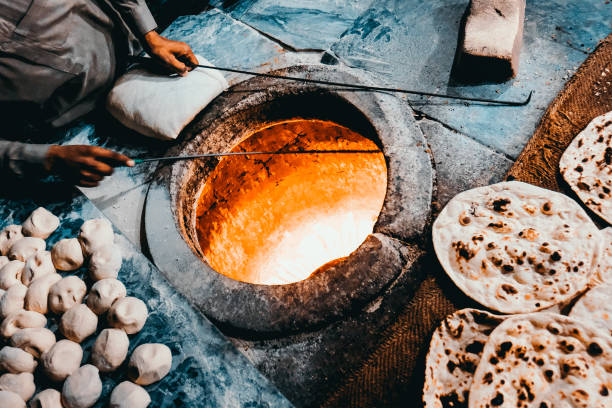
Traditional dhabas cook parathas either on heavy cast iron tawas or inside clay tandoors, reaching temperatures that no home appliance can dream of. These extreme, direct heats create the perfect crisp layer while sealing in the stuffing’s flavor — not to mention the unmistakable smokiness. Your non-stick pan? It simply can’t compete.
Tandoor Tip: Want a smoky edge at home? Try adding a smoked coal dhungar (charcoal smoke infusion) after cooking — it’s not the same, but it’s a nod to the original.
2. Ghee-Laden Goodness: The More, The Tastier
Dhaba chefs don’t just cook with ghee — they celebrate it. From kneading the dough with ghee to basting it multiple times during roasting, their technique ensures each bite is rich, flaky, and soul-satisfying. Topped with a generous chunk of freshly churned white butter, the final touch is indulgence at its best.
Pro Hack: Try homemade white butter (makhan) or unsalted cream butter for a close-at-home touch. And don’t skimp!
3. The Flour Factor: Fresh Chakki Atta Makes a Difference
The flour used in dhaba kitchens is coarser, often freshly milled from local chakki (stone grinders). It has more texture, better gluten, and deeper earthy notes that enhance flavor. Supermarket atta, while convenient, often lacks this rustic character and elasticity.
Flour Fix: If possible, source fresh chakki atta from local mills — it changes the game for both flavor and structure.
4. Spiced Fillings with Soul

What’s inside the paratha matters as much as the outer crunch. Whether it’s aloo, gobhi, paneer, or a masala mix, dhaba-style fillings are expertly seasoned using a freehand technique passed down through generations. There’s no measuring spoon — just instinct, taste, and a lot of spice.
Signature Ingredients:
- Crushed anardana for tang
- Ajwain and ginger for heat
- Coriander stems for that herby bite
- Pre-cooked fillings to avoid sogginess
These ingredients don’t just add taste — they add attitude.
5. The Human Touch: Rolled with Experience, Not Precision
Dhaba parathas aren’t rolled by machines or distracted multitaskers. They’re hand-patted, flipped on hot tawas with bare hands, and cooked with focus. This creates unevenness — crispy edges, soft centers, golden pockets — a symphony of textures that no machine can replicate.
Kitchen Reminder: Embrace the rustic feel. Uneven parathas often taste better!
6. Ambience: The Secret Ingredient You Can’t Bottle

No matter how tasty your homemade paratha is, it will lack the chaos and charm of a roadside dhaba. The clatter of steel thalis, the honk of passing trucks, Bollywood songs blaring in the background, and hot chai in glasses washed in buckets — these aren’t just details, they’re flavor enhancers.
Studies in neurogastronomy have shown that environment plays a huge role in how food tastes. Which is why your carefully lit dining table won’t serve the same joy as eating under flickering neon lights, just off the highway.
Fun Fact: The First Dhabas Weren’t About Food
Originally, dhabas weren’t restaurants — they were rest stops for truckers, meant for short naps and refueling. Over time, to cater to the hunger of drivers and travelers alike, simple meals evolved. Parathas, being hearty, quick to make, and immensely satisfying, became the star of the menu. And the rest, as they say, is history wrapped in foil.
Can You Still Try at Home?
Sure. Try these tips to inch closer:
- Use cast iron tawas for heat retention
- Add mustard oil or smoked paprika to the dough
- Roll the dough unevenly for a rustic look
- Slather with homemade white butter
- Eat with hands, not cutlery
- Play some truck-stop tunes for vibe authenticity
Not Everything Needs a Home Version
There’s comfort in knowing that some things are meant to be savored on the go, not recreated. The dhaba style paratha is one of those timeless experiences where food meets memory, setting, and soul.
So next time you’re on the highway and see a hand-painted “Desi Tandoori Dhaba” sign — do yourself a favor: pull over, dig in, and let the magic unfold.
