


Cheti Chand falls on April 1, 2026, celebrating the birth of Jhulelal and marking the Sindhi New Year. Dal Pakwan is the breakfast that defines this morning—served before or after puja, representing prosperity and new beginnings. The research states the cultural significance directly: “Dal Pakwan is not just breakfast—it is Sindhi identity on a plate.”
If you’re making Dal Pakwan for the first time, what matters most is understanding two critical techniques: rolling the pakwan ultra-thin (5-6 inches in diameter but very thin), and pricking it heavily with a fork (12-15 times across the surface). The research emphasizes: “Fork-pricking is the secret to perfectly flat, crispy pakwan.” Without proper pricking, the pakwan will puff like a puri instead of staying flat and crisp.
Table of Contents
What Exactly Is Dal Pakwan?
Dal Pakwan is a traditional Sindhi breakfast consisting of two distinct components that must be prepared and served together:
Pakwan: Ultra-thin, crispy fried flatbreads made from maida (all-purpose flour) dough that’s been rolled very thin, heavily pricked with a fork to prevent puffing, then deep-fried until golden and shatter-crisp. The research describes the texture goal: “Shatter-crisp pakwan.”
Dal: Spiced chana dal cooked until soft but still maintaining grain separation (not mashed smooth), seasoned with cumin, ginger, green chilies, and a touch of tamarind for tanginess. The research specifies the consistency: “runny, grainy dal”—meaning it should flow but individual dal grains should still be visible and intact.
The magic is in the contrast: the research captures this perfectly: “The contrast of crunchy pakwan and tangy dal defines Cheti Chand mornings.” You break pieces of crispy pakwan and use them to scoop the dal, or you pour dal over stacked pakwan—either way, the interplay between crispy and creamy, neutral and tangy, creates the defining Dal Pakwan experience.
Recipe Overview
| Detail | Information |
|---|---|
| Prep Time | 25 minutes |
| Dal Soaking Time | 3-4 hours |
| Dough Resting Time | 20 minutes |
| Cooking Time | 20 minutes |
| Total Time | ~45 minutes active (plus soaking/resting) |
| Yield | 12-15 pakwan + dal for 4 |
| Servings | 4 people |
| Cuisine | Sindhi |
| Course | Breakfast, Festival Morning Meal |
| Diet | Vegetarian, High-Protein |
| Difficulty Level | Medium |
| Calories per Plate | ~250 kcal (3 pakwan + dal) |
| Festival | Cheti Chand (April 1, 2026) |
Ingredients List
For the Dal (Chana Dal)
| Ingredient | Quantity | Notes |
|---|---|---|
| Chana dal | 1 cup | Soaked 3-4 hours |
| Water | 3 cups | For pressure cooking |
| Turmeric powder | ½ teaspoon | |
| Red chili powder | 1 teaspoon | Adjust to heat preference |
| Cumin seeds (crushed) | 1 teaspoon | Enhances aroma |
| Ginger | 1 inch piece | Chopped or grated |
| Green chilies | 2 | Slit lengthwise |
| Tamarind pulp | 2 tablespoons | For slight tanginess |
| Salt | To taste |
Why Dal Pakwan Is Essential for Cheti Chand
Cheti Chand falls on April 1, 2026, celebrating the birth of Jhulelal (the patron saint of Sindhis) and marking the Sindhi New Year. Dal Pakwan is the breakfast that defines this special morning in a specific, culturally significant way.
Served on Cheti Chand morning before or after puja. The research states: “Families prepare Dal Pakwan early morning before Cheti Chand puja.” This timing is deliberate—Dal Pakwan is the first meal of the new year, consumed after prayers and offerings, setting the tone for prosperity ahead.
Symbolizes prosperity and new beginnings. The research notes Dal Pakwan is “associated with prosperity and new beginnings.” The crispy, golden pakwan represents abundance, while the protein-rich dal represents sustenance—together embodying wishes for a prosperous year.
Community bonding ritual. The research emphasizes: “Community gatherings often serve it as the first festive meal of the year.” Dal Pakwan isn’t just family breakfast—it’s served at community celebrations, temples, and gatherings, creating shared experience and cultural connection.
Cultural identity marker. The research states emphatically: “Dal Pakwan is not just breakfast—it is Sindhi identity on a plate.” For diaspora Sindhis especially, making Dal Pakwan for Cheti Chand is a way of maintaining connection to heritage and passing tradition to younger generations.
Balanced nutrition for long festival day. The research notes the practical function: the combination provides “balanced texture and nutrition profile” that’s “ideal for long festival mornings.” With approximately 12-20 grams of protein and sustained energy from carbohydrates, it fuels the day’s celebrations without heaviness.
Street food elevated for festival. While Dal Pakwan is available from street vendors year-round, the research notes “Street vendors stack pakwan vertically to retain crispness”—meaning even vendors understand the importance of texture. On Cheti Chand, families make it fresh at home with extra care and ceremony.
The Two Critical Techniques: Thin Rolling and Heavy Pricking
Before we get into the step-by-step, let’s establish the two techniques that determine whether your pakwan succeeds or fails:
1. Roll ultra-thin (5-6 inches diameter, very thin)
The research specifies: “Roll discs very thin (5–6 inches).” This isn’t just “thin”—it’s ultra-thin. If you roll pakwan as thick as you would a roti or paratha, it won’t achieve the shatter-crisp texture. You want to roll until the dough is almost translucent in places, approximately 1-2mm thick.
The research emphasizes dough consistency matters: “Dough should be firm, not soft.” A firm dough (made with less water) rolls thinner without tearing and fries crisper than soft dough.
2. Prick heavily with fork (12-15 times across surface)
The research is specific: “Prick 12–15 times with fork to prevent puffing.” This isn’t gentle—you’re pressing the fork tines through the dough all the way to the rolling surface, creating holes that will allow steam to escape during frying.
CHECK MORE ON:Sakhar Bhat Recipe: Maharashtra’s Golden Sweet Rice
Step-by-Step Instructions: Making Perfect Dal Pakwan
PART 1: PREPARING THE CHANA DAL
Step 1: Soak Chana Dal (3-4 Hours Before)
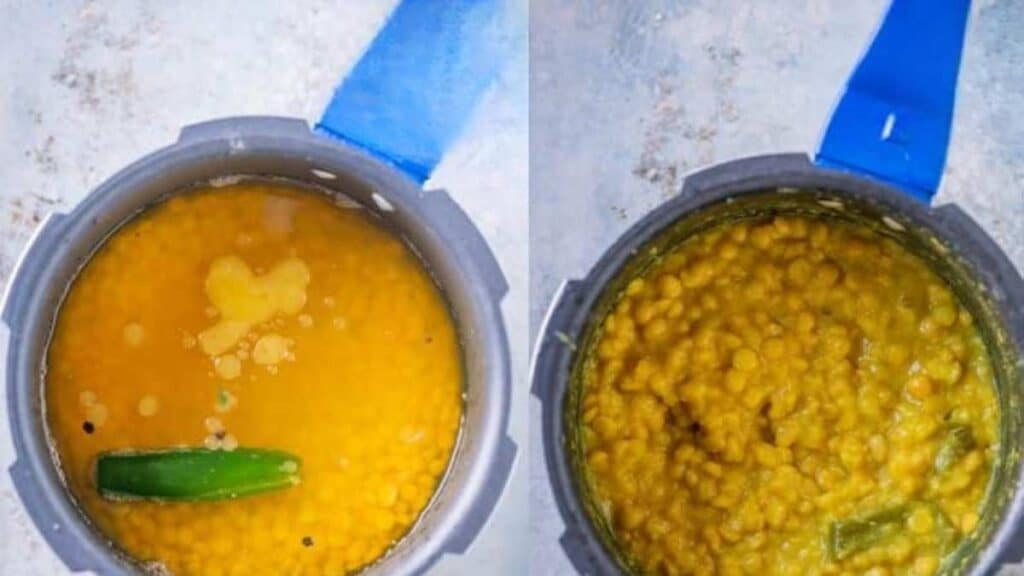
Rinse 1 cup of chana dal under running water until water runs clear. Soak in approximately 3 cups of water for 3 to 4 hours.
Time: 3-4 hours (passive)
Time: 20 minutes
Step 2: Check Dal Consistency
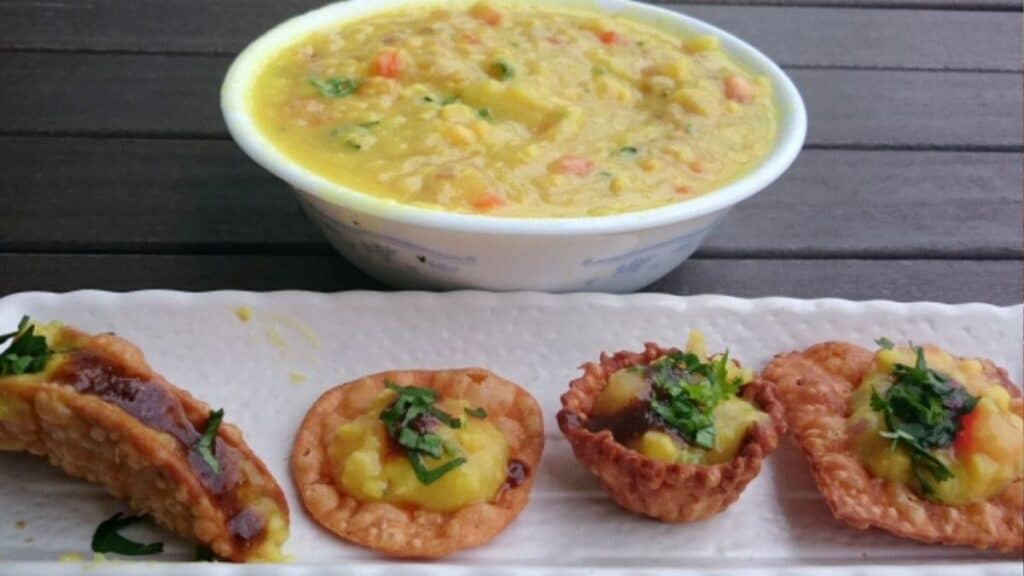
Once pressure is released, check the dal. The research specifies the goal: “Dal consistency should be soft yet grain-separated, not mushy.”
Time: 2 minutes
Step 3: Temper and Finish Dal
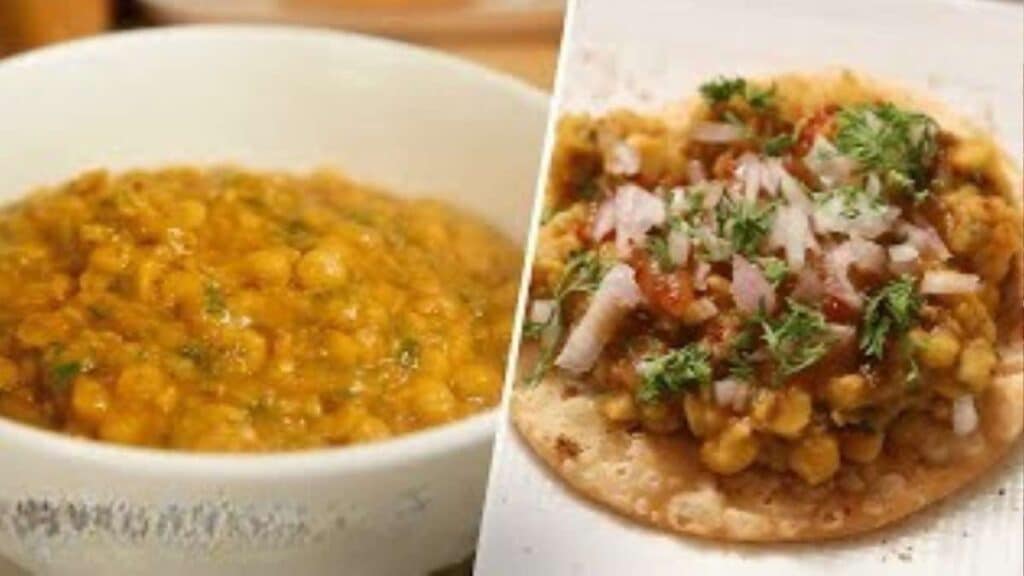
Heat 2 tablespoons of oil or ghee in a small pan. Add:
lavors. Keep warm while preparing pakwan.
1 teaspoon cumin seeds
2 broken dried red chilies
Pinch of asafoetida (hing)
8-10 curry leaves (optional)
Time: 8 minutes
PART 2: PREPARING THE PAKWAN
Step 4: Make Pakwan Dough
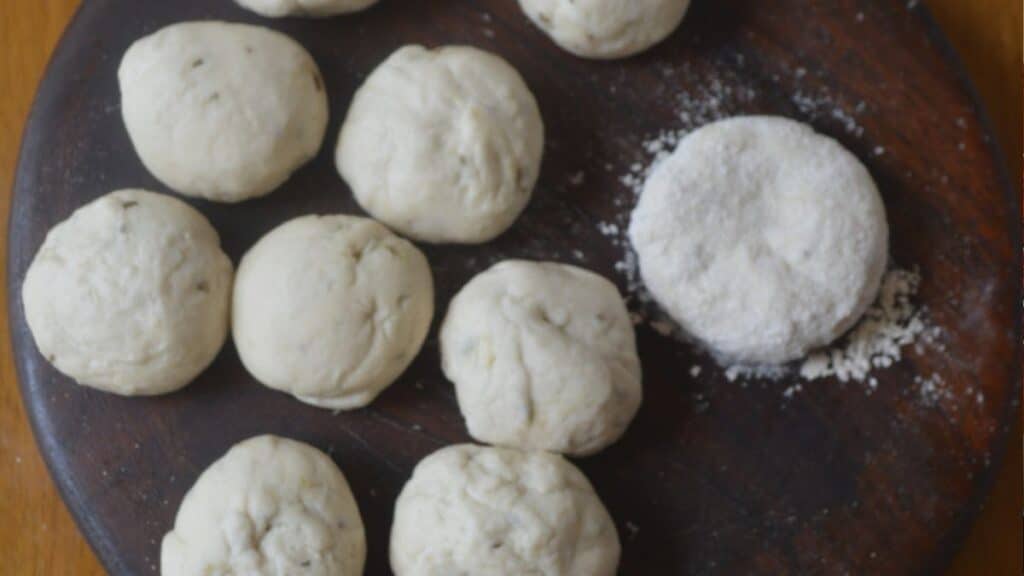
In a large bowl, combine:
2 tablespoons oil
2 cups maida (all-purpose flour)
1 teaspoon ajwain (carom seeds)
½ teaspoon salt
Time: 10 minutes kneading + 20 minutes resting
Step 5: Roll Ultra-Thin and Prick
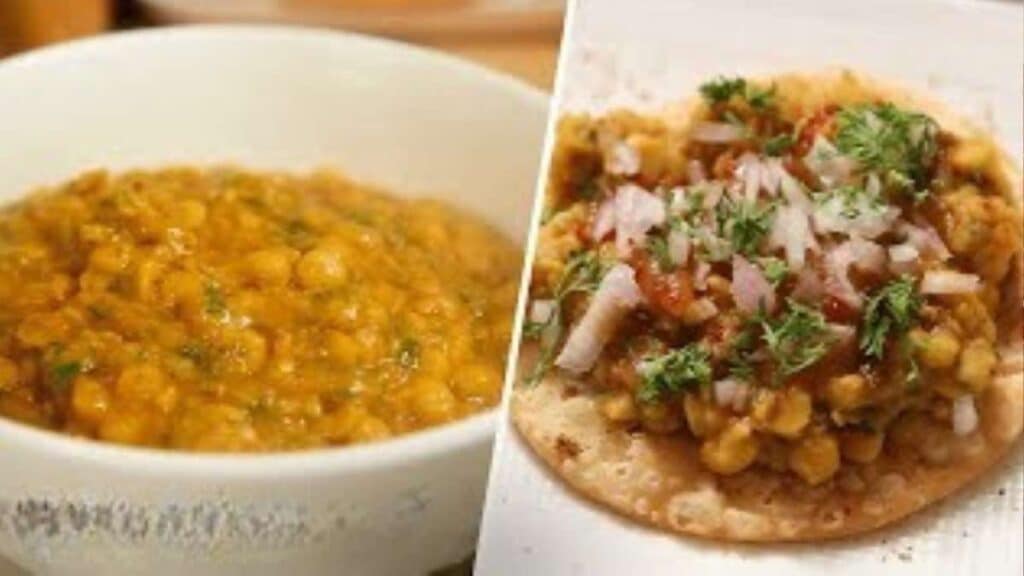
Take one portion, roll into a smooth ball, then flatten slightly. Using a rolling pin, roll into a very thin disc approximately 5-6 inches in diameter.
Divide the rested dough into 12-15 equal portions (each about the size of a small lemon).
Time: 15 minutes for all pakwan
Step 6: Fry Pakwan
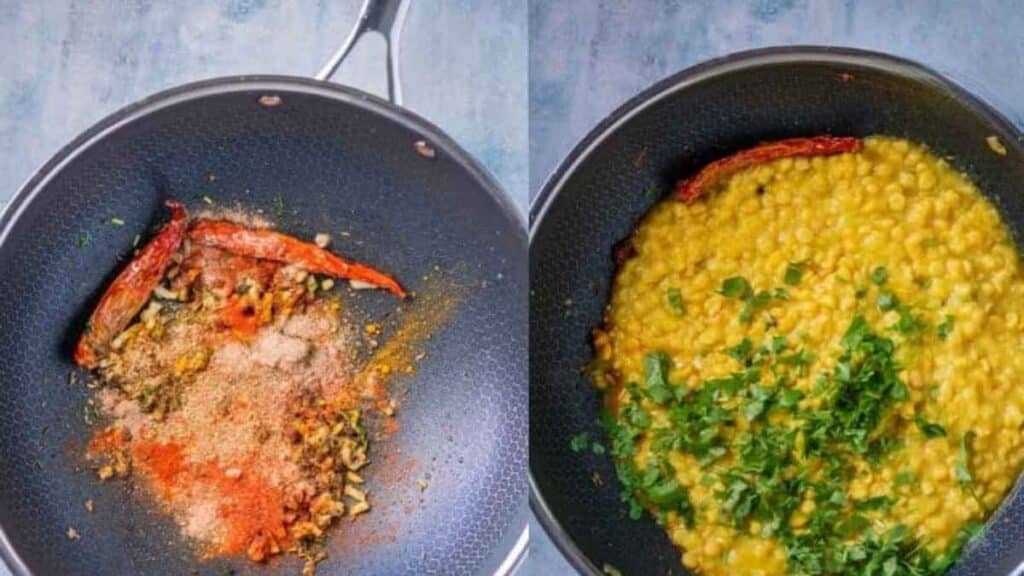
Heat oil for deep frying in a wide, heavy-bottomed pan or kadhai. You need enough oil for the pakwan to float—approximately 2-3 cups.
Time: 20-25 minutes for all pakwan
PART 3: SERVING
Step 7: Assemble and Serve Immediately
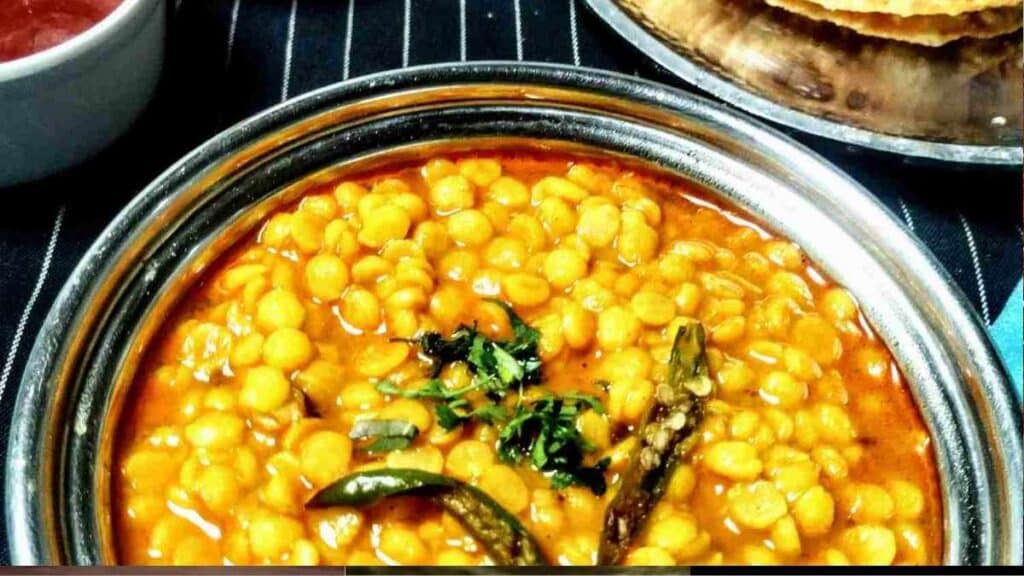
The research emphasizes: “Serve immediately with green and tamarind chutney.”
Arrange 3-4 crispy pakwan on each plate. Pour hot chana dal generously over or alongside the pakwan.
Total Active Time: Approximately 45 Minutes (plus soaking and resting time)
Make-Ahead Strategy for Cheti Chand Morning
Day Before (March 31):
- Soak chana dal overnight
- Make and rest pakwan dough
- Prepare chutneys
Festival Morning (April 1):
- Pressure cook dal early morning
- Roll and fry pakwan fresh
- Temper dal just before serving
- Serve immediately for puja breakfast
The research notes the traditional approach: “Families prepare Dal Pakwan early morning before Cheti Chand puja.”
Why This Dish Still Matters
In the landscape of Indian breakfast foods, Dal Pakwan occupies unique cultural territory. The research states emphatically: “Dal Pakwan is not just breakfast—it is Sindhi identity on a plate.”
The research documents its cultural centrality: “Widely prepared in Sindhi households and community gatherings” and notes that “Community gatherings often serve it as the first festive meal of the year.” This isn’t food consumed in isolation—it’s food that brings people together, shared at temples, community centers, and family tables as the first meal of the Sindhi New Year
You’re continuing Sindhi culinary tradition. You’re creating the meal that welcomes the new year with prosperity symbolism. You’re honoring Jhulelal through food that represents abundance balanced with sustenance. You’re bringing family and community together through shared breakfast ritual.
So knead that dough firm, not soft. Roll ultra-thin. Prick thoroughly with determination. Fry at controlled temperature. Serve immediately while crisp.
Because some breakfasts are more than meals. They’re cultural statements, family rituals, and new year blessings expressed through the simplest possible means: thin dough, chana dal, and community love.
Cheti Chand Jhulelal Jain! (Victory to Jhulelal!)
Dal Pakwan is the Sindhi breakfast that defines Cheti Chand morning (April 1, 2026)—ultra-crispy fork-pricked maida flatbreads served with spiced, grainy chana dal. Critical techniques: roll ultra-thin (5-6 inches), prick 12-15 times with fork, fry at medium heat after initial flash. Ready in 45 minutes, serves 4, 12-20g protein, 250 calories per plate. Serve immediately with dual chutneys. The shatter-crisp contrast that welcomes the new year with prosperity.
Why is fork-pricking so critical for pakwan?
The research states the fundamental principle: “Fork-pricking is the secret to perfectly flat, crispy pakwan.”
How thin should I actually roll the pakwan?
The research specifies: “Roll discs very thin (5–6 inches).” This means approximately 1-2mm thick—thin enough that you can almost see through it in places.
