


My grandmother used to say that a day without chai is like a garden without flowers—technically functional, but missing something essential. She’d brew hers in an old steel pot every morning, the familiar hiss of milk meeting tea leaves marking the start of another day. What she knew instinctively, science has now confirmed: that steaming cup holds far more than comfort.
In 2026, as wellness trends cycle between expensive supplements and ancient practices, chai stands quietly in the middle—affordable, accessible, and genuinely effective. Traditional masala chai isn’t just a cultural touchstone for millions of Indians and South Asians worldwide; it’s a sophisticated blend of black tea, milk, and medicinal spices that has been fine-tuned over generations to support the body’s natural processes.
The difference between chai and other trendy wellness drinks? Chai doesn’t make impossible promises. It simply works, cup by cup, the way it has for centuries.
Quick Answer:
Drinking chai daily offers powerful health benefits backed by both traditional wisdom and modern science. The combination of black tea and aromatic spices like ginger, cardamom, and cinnamon creates a potent wellness drink that improves digestion, strengthens immunity, reduces inflammation, supports heart health, enhances mental focus, soothes respiratory issues, and provides protective antioxidants. It’s a daily health ritual that connects you to centuries of Ayurvedic knowledge while supporting your body’s natural defenses.
In this Article
1. Improves Digestion and Reduces Bloating
That heavy feeling after a rich meal, the uncomfortable bloating that shows up at the worst times—these are problems chai was practically designed to solve. Ginger and black pepper, two common chai spices, actively stimulate your digestive enzymes, helping your body break down fats and proteins more efficiently instead of letting them sit heavily in your stomach.
Cardamom and fennel take a gentler approach. They soothe the stomach lining, reduce gas formation, and alleviate that uncomfortable stretched feeling that comes with bloating. This is why across India, chai appears after meals almost as reliably as the meal itself—it’s not just habit, it’s practical wisdom.
For those of us navigating Western diets while craving the richness of home cooking, a cup of well-spiced chai can bridge that gap, helping your digestive system handle whatever you’ve thrown at it with a bit more grace.
Check Out: The Ultimate Guide to Indian Chai: History, Culture & Flavors
2. Rich in Protective Antioxidants
The black tea base of chai contains polyphenols—specifically catechins and theaflavins—that neutralize free radicals in your body. Free radicals sound abstract until you realize they’re linked to everything from premature aging to chronic disease. Antioxidants are essentially your body’s cleanup crew, preventing cellular damage before it accumulates.
But chai doesn’t stop at tea. Cloves and cinnamon rank among the highest-antioxidant herbs available, turning each cup into a concentrated dose of cellular protection. While the beauty industry sells expensive serums promising similar results, chai offers comparable antioxidant benefits from the inside out, protecting cells throughout your entire body rather than just your skin’s surface.
It won’t make you immortal, but regular consumption might help you age with a bit more resilience—the way our grandparents seemed to, despite never stepping into a gym or counting their antioxidant intake.
3. Boosts Heart Health
Heart disease doesn’t announce itself until it’s already established, which makes prevention crucial. Cinnamon and black tea work together to lower LDL cholesterol (the “bad” kind) and triglycerides while helping regulate blood pressure. The flavonoids in black tea also help prevent plaque buildup in arteries—the slow, silent process that leads to heart attacks and strokes.
This matters particularly for South Asian communities, who statistically face higher cardiovascular disease risks. While chai alone won’t override genetics or negate the effects of a poor diet, making it part of a balanced routine adds a layer of protection that costs almost nothing and requires no prescription.
Think of it as a small daily investment in your future self—the one who wants to dance at grandchildren’s weddings and travel without worrying about chest pains.
4. Reduces Inflammation and Pain
Chronic inflammation is the background noise of modern life—joint pain, muscle soreness, that persistent low-level discomfort that becomes so familiar you almost forget it’s not normal. Chai contains gingerols (from ginger) and eugenol (from cloves), both potent anti-inflammatory compounds that can help turn down that background noise.
Regular chai drinkers often report relief from arthritis pain, reduced muscle soreness after physical activity, and even easier menstrual cycles. While it’s not a replacement for medical treatment when needed, it offers natural relief without the side effects that come with long-term painkiller use.
My aunt swears that switching from coffee to chai reduced her knee pain enough that she could return to her morning walks. Coincidence? Maybe. But when traditional knowledge aligns with anti-inflammatory science, it’s worth paying attention.
5. Strengthens the Immune System
Ginger, cardamom, and star anise aren’t just flavor—they’re your immune system’s allies, possessing antibacterial and antiviral properties that help your body fight off common infections. They support white blood cell activity and help clear respiratory congestion, making you less hospitable to the viruses and bacteria that cause colds and flu.
This becomes especially relevant during winter months or when traveling (when airports and airplanes expose you to countless new germs). A strong cup of chai before and after flights might not guarantee you’ll avoid getting sick, but it certainly tips the odds in your favor.
In immigrant households, chai appears at the first sign of a sniffle—not as superstition, but as practical medicine. That instinct, it turns out, was scientifically sound all along.
6. Enhances Mental Alertness and Focus
Coffee culture dominates North America, but it comes with a cost: jitters, anxiety, and the inevitable crash that leaves you reaching for another cup just to feel normal. Chai offers a different path. The combination of caffeine and L-theanine (an amino acid found in tea) creates what researchers call “calm alertness”—improved cognitive function, better memory, and sustained concentration without the spike and crash of coffee.
This makes chai particularly valuable for long work sessions, studying, or any task requiring sustained mental effort. You get the benefit of caffeine’s stimulating effects, tempered by L-theanine’s calming influence. Your mind stays sharp without your hands shaking or your thoughts racing.
For those of us juggling multiple responsibilities—work, family, community obligations—chai provides steady energy that lasts through afternoon meetings without requiring a second dose or leaving you wired at bedtime.
7. Aids in Weight Management
Weight management is complicated, and chai certainly isn’t a magic solution. But cinnamon and ginger have thermogenic properties, meaning they slightly increase your metabolic rate and calorie burning. When chai is prepared with milk, the protein content helps suppress appetite and promotes feelings of fullness, reducing the impulse to snack between meals.
This doesn’t mean chai will melt away pounds—nothing works that way despite what influencers claim. But as part of a balanced approach to eating, it can make the process a bit easier. Replacing sugary morning lattes with properly spiced chai eliminates empty calories while adding beneficial compounds. Sipping chai when cravings hit can satisfy both the desire for something flavorful and the body’s need for nutrients.
Small changes compound over time. Chai won’t transform your body in a week, but over months and years, it supports your body’s natural processes rather than fighting against them.
Preparation Tips for Maximum Benefits
The difference between mediocre chai and genuinely beneficial chai comes down to preparation. Pre-made concentrates and tea bags are convenient, but they lose much of the medicinal potency that makes chai worthwhile.
Avoid excess sugar. The health benefits of chai decrease proportionally with the sugar you add. Natural sweeteners like honey or jaggery used sparingly preserve the benefits while still satisfying your taste buds. Better yet, reduce sweetness gradually over time until you appreciate the complex spice flavors on their own.
Brew fresh with whole spices. Crushing whole spices just before brewing releases essential oils and compounds that pre-ground versions have long since lost. It takes an extra minute, but that minute is the difference between drinking spiced milk and drinking actual medicine.
Choose your milk thoughtfully. Dairy works beautifully, but if it doesn’t work for you, plant-based alternatives like almond or oat milk maintain chai’s anti-inflammatory profile. The key is choosing unsweetened versions—you’re trying to support your health, not recreate a dessert drink.
Where to Find Quality Tea for Your Daily Chai
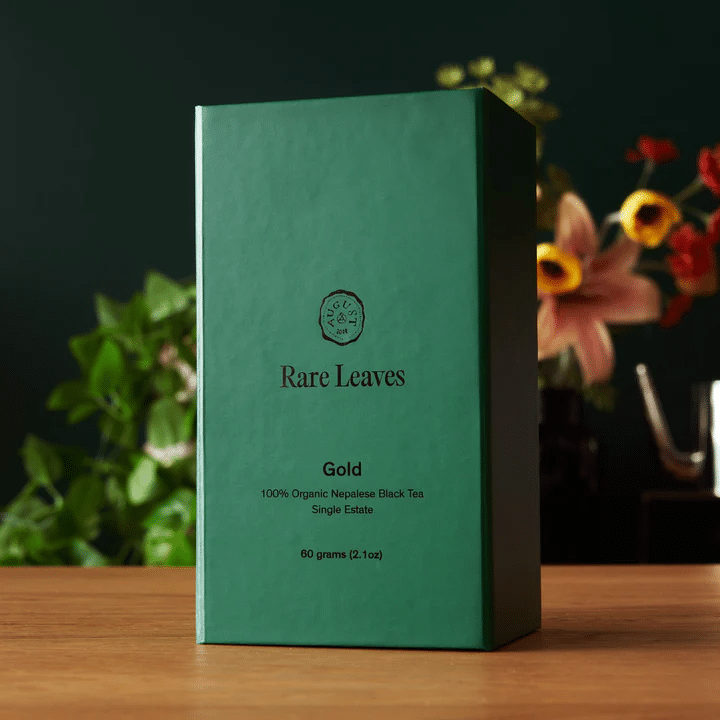
The foundation of good chai is good tea. While the spices matter, starting with quality black tea makes everything else work better. Rare Leaves Gold Single Estate Nepalese Black Tea offers the robust base that holds up to milk and spices without becoming bitter, sourced from estates that prioritize both flavor and sustainable farming practices.
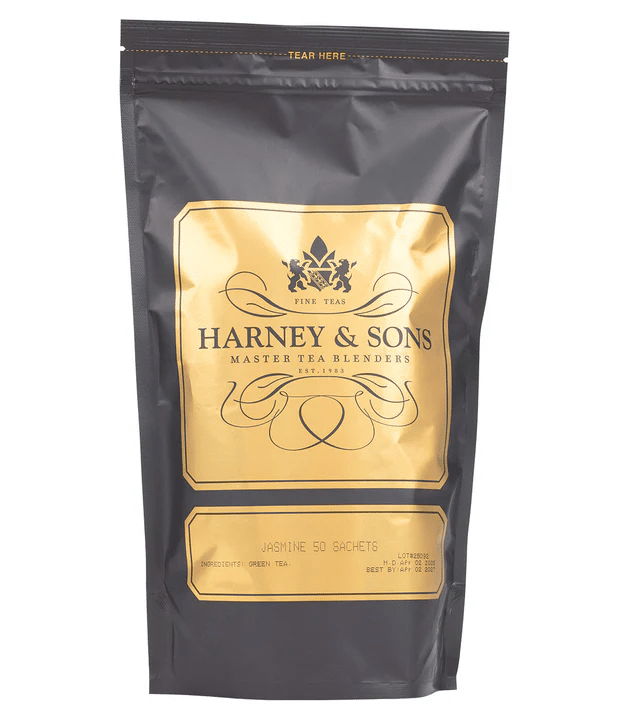
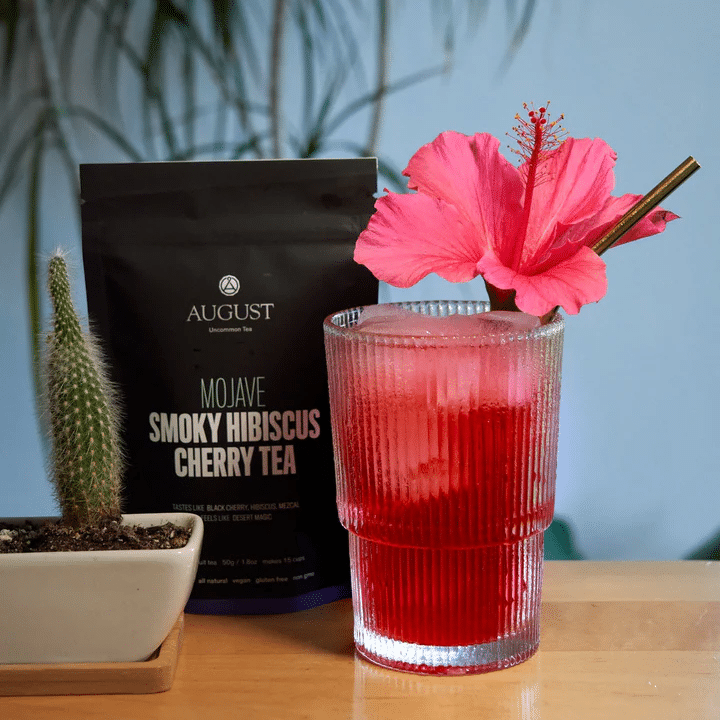
If you prefer variety, Jasmine Tea provides a delicate alternative for evenings when you want something lighter but still flavorful. For those experimenting beyond traditional chai, Mojave Smoky Hibiscus Cherry Tea offers very low caffeine with antioxidant-rich hibiscus, while Nightfall Rest and Digest Herbal Tea supports the digestive benefits of chai without any caffeine, perfect for nighttime sipping.

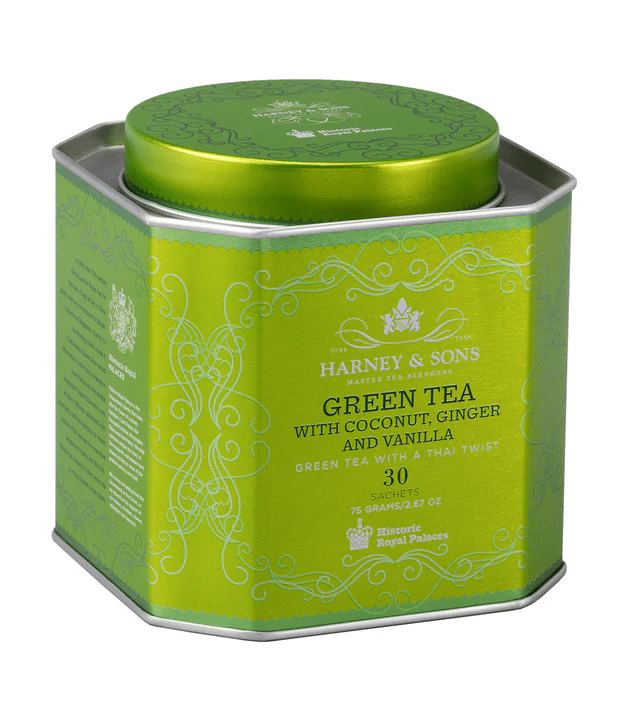
For a ready-to-brew option that maintains quality, Green Tea with Coconut, Ginger, and Vanilla offers convenient sachets with the digestive and anti-inflammatory benefits of ginger in a lighter, caffeine-reduced form.
You can find these and other quality teas at shop.Indian.community, where we’re building a collection that honors both traditional chai culture and modern wellness needs.
The Ritual Matters Too
The health benefits of chai are real and measurable, but they’re only part of the story. There’s something to be said for the ritual itself—the deliberate pause, the familiar motions of brewing, the way a hot cup grounds you in the present moment when everything else is rushing forward.
In immigrant households especially, chai becomes the thread connecting past and present. You brew it the way your mother did, using the same spices, following the same instincts. Your children watch, and without any formal instruction, they absorb the knowledge that will someday make them pause mid-afternoon and think, “I need chai.”
Science can measure antioxidants and anti-inflammatory compounds. It can’t measure the way chai makes you feel connected to something larger than yourself, or the comfort of knowing that this simple drink has sustained generations before you and will likely sustain generations after.
That’s the benefit no study will ever quantify, and perhaps the most important one of all.
