


In this Ikkis movie review, we encounter a film that arrives as a quiet revelation in an era of deafening patriotic spectacle. When was the last time you walked into a theater expecting another jingoistic war drama and walked out with tears streaming down your face—not from manipulative melodrama, but from genuine emotional devastation? Ikkis doesn’t just tell the story of India’s youngest Param Vir Chakra recipient; it dismantles everything we think we know about war films while honoring sacrifice with profound reverence.
Master filmmaker Sriram Raghavan, celebrated for his neo-noir psychological thrillers, ventures into entirely new territory with the confidence of someone who’s spent a career understanding cinema’s DNA. This is Dharmendra’s most soul-crushing, career-defining performance in sixty years of acting—a magnificent farewell that retrospectively reframes his entire legendary journey. With Jaideep Ahlawat delivering equally devastating work and a narrative structure that prioritizes reconciliation over revenge, Ikkis is the cinematic equivalent of sitting across from someone who’s lived through unimaginable loss and emerged not with bitterness, but with hard-won wisdom.
Quick Takeaway:
Ikkis is a technically restrained, emotionally overwhelming war drama that succeeds brilliantly as both historical tribute and humanistic meditation on grief. Though the musical score disappoints and pacing occasionally stalls, the film’s profound themes, two towering lead performances, and that heartbreaking confrontation scene make it essential viewing for anyone seeking war cinema that values hearts over headlines. Rating: 5/5 Stars.
Language: Hindi
Age Rating: U/A
Genre: War Drama, Historical Biopic, Emotional Reconciliation
Director: Sriram Raghavan
The Plot: When Enemies Share the Unbearable Weight of Truth
At its core, Ikkis is a father’s pilgrimage—but calling it just that would be like calling the Taj Mahal “a nice building.” The film’s brilliance lies in its dual-timeline structure: the past revealing Second Lieutenant Arun Khetarpal’s extraordinary valor during the 1971 Battle of Basantar where he earned India’s highest military honor posthumously at age 21, and the present following his 80-year-old father Brigadier M.L. Khetarpal (Dharmendra) as he journeys to Pakistan in 2001 to revisit the battlefield where his son fell.
But here’s where Ikkis becomes something genuinely radical: the emotional climax isn’t a battle sequence. It’s a tea conversation. When Brigadier Khetarpal is warmly welcomed by retired Pakistani Brigadier Khwaja Mohammad Naser (Jaideep Ahlawat)—the very man who killed his son thirty years earlier—the film reveals its true purpose. This isn’t about celebrating victory or demonizing enemies. It’s about two soldiers, once adversaries, now bound by the shared understanding that war destroys everyone it touches, regardless of which flag they serve.
The beauty of this approach is how it transforms our understanding of patriotism itself. When your protagonist’s ultimate journey leads not to revenge but to sitting across from his son’s killer and finding mutual respect, suddenly every battlefield sequence we’ve witnessed takes on devastating new meaning.
Check Out: Is Ikkis Based on a True Story? The Real War Hero Whose Courage Inspires This Powerful Film
Performances: Acting Elevated to Art
Dharmendra: A Swan Song for the Ages
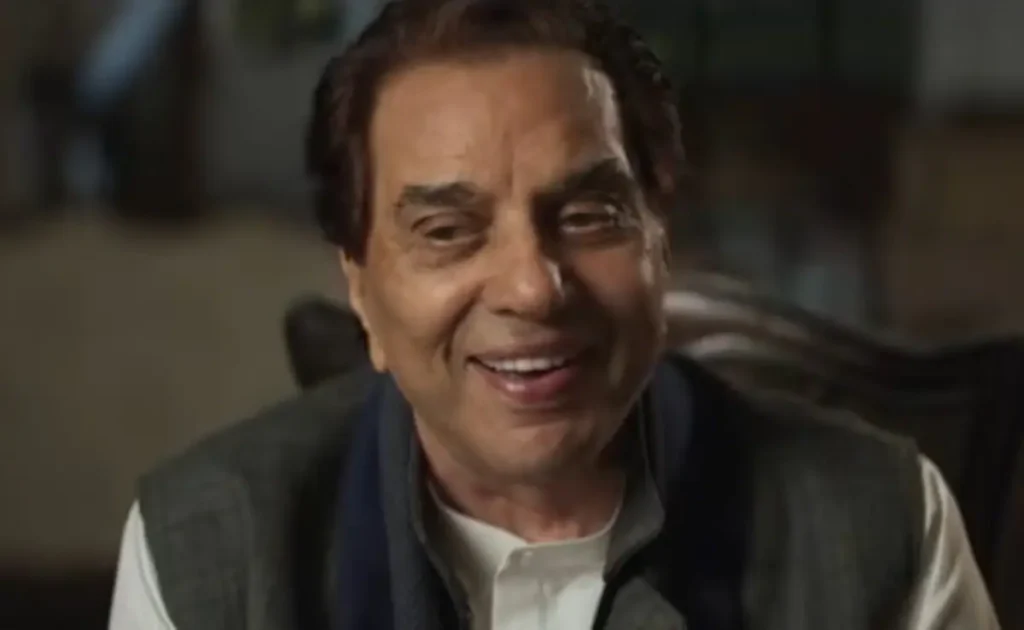
This Ikkis movie review must begin with absolute clarity: Dharmendra delivers not just his finest performance, but one of the greatest in Hindi cinema history. For six decades, this industry underutilized one of its most naturally gifted actors, preferring to showcase his action-hero charisma rather than his profound dramatic depth. Ikkis finally—heartbreakingly, magnificently—gives him material worthy of his talent.
As the elderly Brigadier M.L. Khetarpal, Dharmendra embodies thirty years of suppressed grief with devastating subtlety. Every movement carries the weight of advanced age—he walks with careful deliberation, yet retains military posture that speaks to a lifetime of service. His hands tremble slightly when holding photographs of his son. His eyes, still remarkably expressive despite their years, contain oceans of unspoken anguish.
The line delivery of “Zindagi apna raasta bana hi leti hai” (Life finds its own way) becomes an unforgettable moment not through dramatic excess but through the quiet, resigned acceptance with which Dharmendra speaks it. It’s a father acknowledging that survival, not healing, is sometimes the only victory grief allows. This single line, spoken with such achingly beautiful restraint, encapsulates decades of pain managed through military discipline and sheer force of will.
If this is indeed Dharmendra’s final film performance, it stands as a magnificent farewell—a reminder that true greatness reveals itself not in loud moments but in the spaces between words, in the things left unsaid but deeply felt.
Jaideep Ahlawat: Guilt Carried With Military Bearing
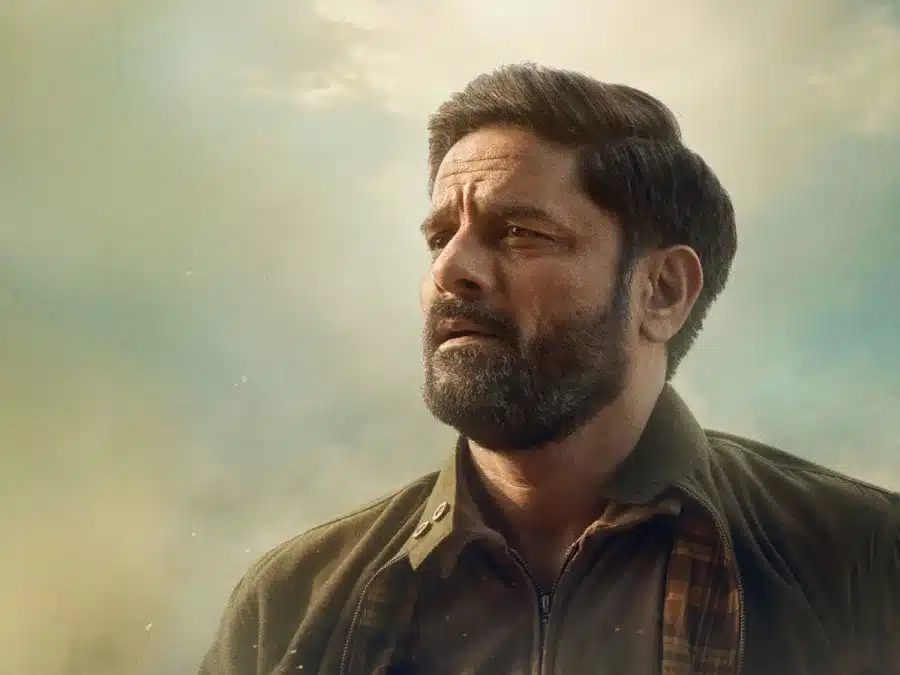
Equally brilliant is Jaideep Ahlawat’s portrayal of Brigadier Khwaja Mohammad Naser, a performance that could easily have become one-dimensional in less skilled hands. Ahlawat creates a man carrying the impossible burden of having killed someone he has come to deeply respect—a soldier who followed orders, displayed tactical brilliance, yet must live forever with having ended a young life full of promise.
The scenes between Ahlawat and Dharmendra crackle with unspoken emotion—two military men who understand duty and honor, two fathers, two human beings forced to confront the personal cost of political conflicts neither of them created. Their chemistry elevates Ikkis beyond conventional war cinema into something closer to Greek tragedy.
Agastya Nanda: Youth and Valor Combined
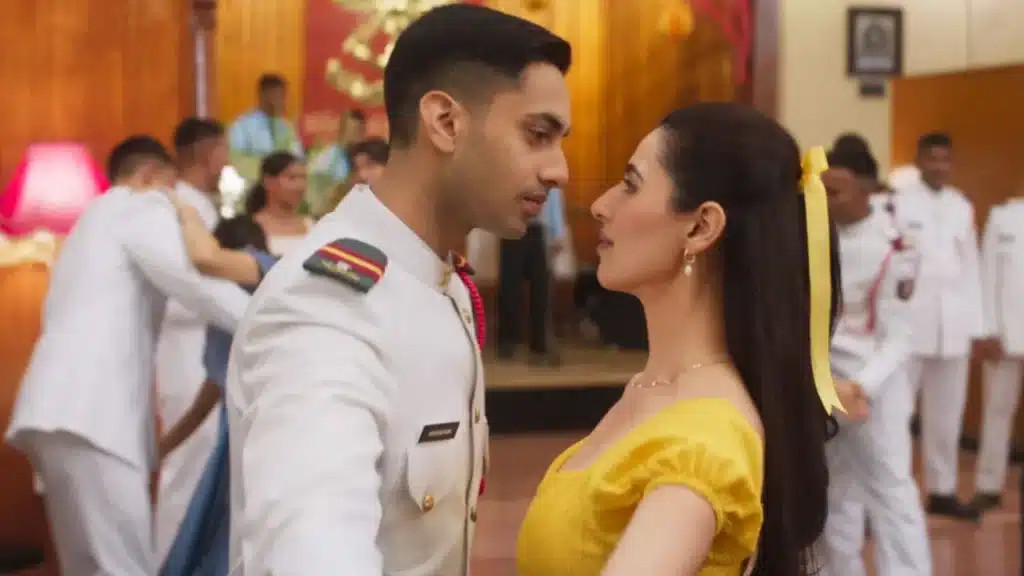
Portraying the titular character, Agastya Nanda brings age-appropriate earnestness to Second Lieutenant Arun Khetarpal that serves the story beautifully. Yes, his performance lacks the seasoned depth of his veteran co-stars—but this actually enhances authenticity. Arun Khetarpal was barely more than a boy when he displayed extraordinary courage. Nanda captures that combination of youthful energy and quiet determination that defined the real hero.
There’s a no-nonsense sincerity to his work that proves refreshing. He plays Arun as someone who understands duty without fully grasping mortality—exactly as a 21-year-old would. His chemistry with debutante Simar Bhatia in the romantic subplot feels genuinely tender, providing crucial emotional context about what was lost when Arun fell at twenty-one.
The Supporting Ensemble: Every Role Adds Texture
Sikander Kher makes an indelible impression in limited screen time, once again proving himself one of Hindi cinema’s most criminally underutilized talents. His scenes with Agastya Nanda capture authentic military camaraderie—men who trust each other with their lives, who joke to cope with constant danger.
Rahul Dev and Vivaan Shah deliver solid supporting work that enriches the ensemble. The collective commitment to authenticity elevates Ikkis beyond conventional war film performances into something genuinely moving.
Direction and Vision: A Thriller Master’s Reinvention
Sriram Raghavan makes what might seem like an impossible leap—from neo-noir psychological thrillers to intimate war drama—with remarkable grace. The same meticulous attention to detail that made Andhadhun and Badlapur work so brilliantly serves Ikkis equally well.
His trademark dark humor surfaces unexpectedly throughout, providing necessary relief without undermining gravity. When Arun desperately needs a bathroom during a crucial moment, it’s simultaneously authentic and subtly comic. These moments feel organic rather than forced.
The dual-timeline structure creates powerful dramatic irony. As we watch young Arun display courage and charm, we simultaneously witness his father’s pilgrimage to understand his son’s final moments. This interweaving generates layers of emotional complexity that linear storytelling couldn’t achieve.
Technical Excellence: Restraint as Storytelling Choice
Cinematography: Reality Over Spectacle
Jay I. Patel’s cinematography prioritizes authenticity over visual showmanship, creating a war film that feels grounded in historical reality rather than cinematic fantasy. The 1971 battle sequences employ slightly desaturated tones that enhance period authenticity, while the 2001 timeline uses warmer colors that emphasize emotional reconciliation.
The camera work during combat employs handheld techniques that create visceral immediacy without descending into chaotic shaky-cam aesthetics. When Arun’s tank charges enemy positions, the cinematography conveys both the mechanical power of armored warfare and the human vulnerability of the young men inside those metal shells.
Sound Design: The Authenticity of Silence
The sound design deserves special recognition for what it chooses not to do. Unlike typical war films that assault audiences with overwhelming audio bombardment, Ikkis allows natural sounds to dominate—the mechanical rumble of tanks, the sharp crack of rifle fire, the human voices calling across chaos, the silence after combat ends.
The confrontation scene between the two brigadiers is staged with minimal sonic intrusion. We hear ambient sound—tea cups on saucers, distant traffic—grounding the scene in physical reality while the emotional devastation plays out in performances and silence.
Music: The Film’s Weakest Element
Here’s where this Ikkis movie review must acknowledge significant disappointment: the musical score represents the film’s most glaring weakness. Given the profound emotional landscape Raghavan is navigating, the generic background music fails to enhance key moments that desperately need musical support.
The compositions lack the distinctive, culturally rooted identity that could have elevated Ikkis from excellent to transcendent. The songs, competently performed by Arijit Singh and others, similarly lack staying power. For a film about a hero who deserves to be remembered by generations, more distinctive musical identity would have strengthened its lasting impact.
Cultural Context: A Conversation India Needs
This Ikkis movie review must acknowledge that the film arrives at a culturally significant moment. In an era of increasing polarization, when patriotism is often defined by hatred of enemies rather than love of nation, Ikkis offers a profoundly different vision. It suggests that true courage includes the strength to recognize humanity in opponents, that genuine patriotism doesn’t require demonization of those who fought for different flags.
The film’s humanistic vision aligns with the real Brigadier M.L. Khetarpal’s documented approach—which prioritized understanding over bitterness, reconciliation over revenge. Ikkis practices genuine patriotism: respecting our heroes by telling their stories truthfully.
Strengths: What Makes Ikkis Genuinely Great
- Dharmendra’s Career-Defining Swan Song: Not just his finest performance, but a reminder of what Hindi cinema lost by underutilizing his dramatic range for six decades. This single performance retrospectively reframes his entire legendary career.
- Profound Humanistic Vision: The courage to make a war film that prioritizes reconciliation over revenge, humanity over hatred, sets Ikkis apart from virtually every contemporary patriotic drama.
- Dual-Timeline Structure: The interweaving of past valor and present pilgrimage creates emotional layers that linear storytelling couldn’t achieve. We mourn what was lost while celebrating what existed.
- Authentic War Portrayal: By eschewing CGI spectacle in favor of practical effects and realistic tactics, Raghavan creates battle sequences that feel grounded in historical truth.
- Supporting Cast Excellence: From Sikander Kher to Simar Bhatia, every performer commits to authenticity, grounding even the most dramatic moments in believable human behavior.
Weaknesses: Where Ikkis Stumbles
- Underwhelming Musical Score: The film’s most significant flaw. Generic background music fails to enhance profound emotional moments that desperately need musical support.
- Inconsistent Pacing: The middle section occasionally stalls, particularly during extended training and romance sequences. Tighter editing could have maintained momentum.
- Abrupt Temporal Transitions: Some cuts between timelines feel jarring rather than seamless, occasionally disrupting emotional flow.
Final Verdict: 5/5 Stars ⭐⭐⭐⭐⭐
Ikkis represents something increasingly rare in contemporary Indian cinema—a war film more interested in hearts than headlines, more concerned with healing than hatred, more committed to truth than manufactured patriotic fervor. Sriram Raghavan has crafted a deeply humane meditation on sacrifice, grief, and the possibility of reconciliation between enemies who share profound respect despite being divided by conflict.
For those seeking mindless action spectacle, Ikkis will disappoint. For viewers willing to engage with thoughtful, emotionally complex war drama that challenges conventional genre expectations, this film offers profound rewards. The technical execution occasionally falters—particularly the disappointing musical score—but these minor imperfections pale against the film’s overwhelming strengths.
Ikkis stands as essential viewing for anyone interested in seeing Indian cinema engage seriously with historical trauma and reconciliation. It’s a film that earns its emotional impact through authenticity rather than manipulation, that honors sacrifice without glorifying violence, and that ultimately argues for understanding over endless conflict.
The Legacy We Need
There’s a specific power in watching a film that refuses to take the easy path. In an industry increasingly dominated by formulaic patriotic spectacle, Ikkis feels like a profound act of courage—the artistic kind that trusts audiences with moral complexity and emotional truth.
After nearly a decade of waiting for war cinema that prioritizes humanity over jingoism, Ikkis delivers—not just for Dharmendra’s fans or Sriram Raghavan’s admirers, but for anyone who believes Indian cinema’s future lies in honoring our past while fearlessly exploring difficult questions about how we remember, how we grieve, and how we might find peace.
This is Dharmendra’s magnificent farewell. This is war cinema reimagined. This is Ikkis—and it’s absolutely unforgettable.
