


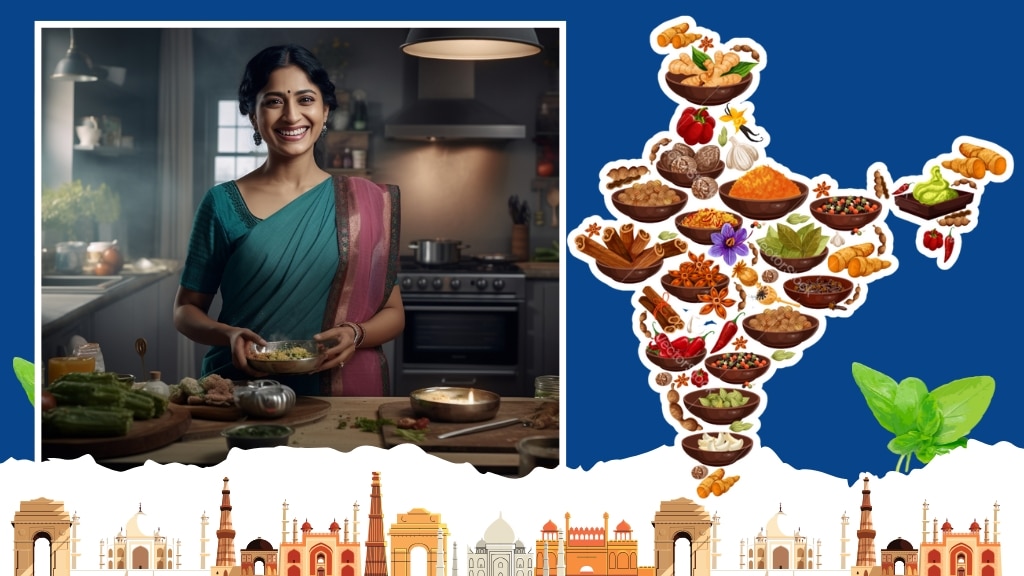
Introduction: The Myth & Reality of Indian Food’s Health Benefits
If you ask an Indian, they’ll tell you that their cuisine is one of the healthiest in the world—filled with medicinal spices, nourishing grains, and time-tested cooking traditions. But if you ask a fitness-conscious eater, they might argue that Indian food is too oily, carb-heavy, and rich in butter and cream. So, which one is true?
The reality is that traditional Indian food, when consumed as it was intended, is incredibly healthy. Science backs this up. From anti-inflammatory spices to fiber-packed lentils, probiotic-rich fermented foods to heart-friendly cooking oils, Indian cuisine offers a balance of nutrients that support digestion, immunity, and overall well-being.Let’s dive into the science-backed reasons why Indian food is one of the healthiest cuisines in the world.
In this Article
1. The Power of Spices: Nature’s Medicine Cabinet
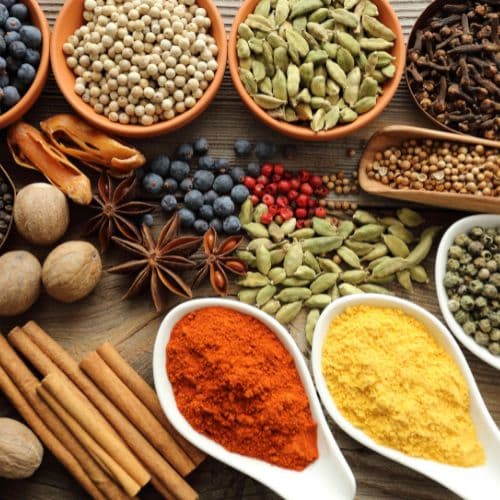
Indian food is synonymous with spices, and they’re not just for flavor—they provide powerful health benefits backed by science.
- Turmeric (Haldi) – Contains curcumin, a compound known for its anti-inflammatory and antioxidant properties. Studies show it can reduce the risk of chronic diseases like arthritis and heart disease.
- Cumin (Jeera) – Aids digestion and metabolism, helping to prevent bloating and gas.
- Ginger (Adrak) & Garlic (Lahsun) – Known to boost immunity and heart health, reducing inflammation in the body.
- Cinnamon (Dalchini) – Helps regulate blood sugar levels, making it great for diabetes management.
- Fenugreek (Methi) – Supports cholesterol reduction and hormone balance.
A study published in Frontiers in Pharmacology found that these spices reduce oxidative stress and inflammation, which are linked to numerous chronic diseases.
2. High in Fiber: Supports Digestion & Weight Management

Indian cuisine relies heavily on whole grains and fiber-rich foods, which play a crucial role in digestion and weight management.
- Whole wheat (atta) roti – Low glycemic index, keeping blood sugar stable.
- Lentils (dal) & legumes – Packed with fiber and protein, keeping you full longer and supporting weight loss.
- Millets (ragi, bajra, jowar) – High in fiber and essential nutrients, beneficial for heart health.
According to the USDA, one cup of cooked lentils provides 15g of fiber, which supports gut health and reduces cholesterol levels.
3. Fermented Foods: Gut-Friendly Probiotics

Fermentation has been a part of Indian food culture for centuries, providing natural probiotics that improve digestion and gut health.
- Dahi (Yogurt) – Contains probiotics that strengthen the gut microbiome, improving digestion and immunity.
- Idli & Dosa – Made from fermented lentils and rice, promoting better digestion.
- Kanji & Pickles – Traditional fermented drinks and pickles offer probiotic benefits.
A study published in the American Journal of Clinical Nutrition found that regular probiotic intake improves gut health, enhances immune function, and reduces inflammation.
4. Balanced Macronutrients: A Complete Diet
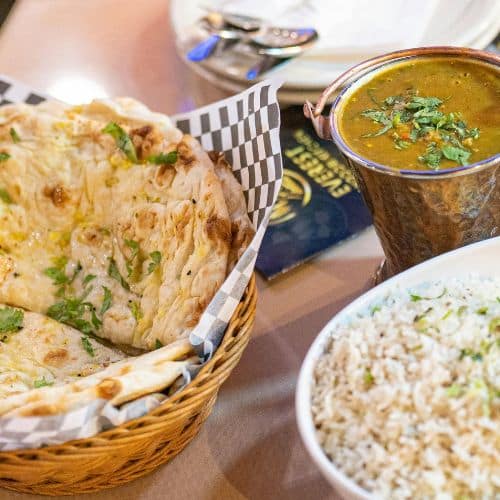
Unlike many modern diets, Indian meals naturally balance macronutrients—proteins, carbs, and fats—leading to a nutritionally complete meal.
- Carbohydrates – Whole grains like brown rice, whole wheat, and millets provide sustained energy.
- Proteins – Lentils, chickpeas, paneer, eggs, chicken, and fish ensure adequate protein intake.
- Healthy Fats – Traditional oils like ghee, mustard oil, and coconut oil provide essential fatty acids and aid nutrient absorption.
A well-balanced Indian meal typically contains 500-700 calories with a healthy mix of protein, fiber, and good fats, promoting long-lasting energy and better metabolism.
5. Ayurvedic Roots: A Holistic Approach to Eating
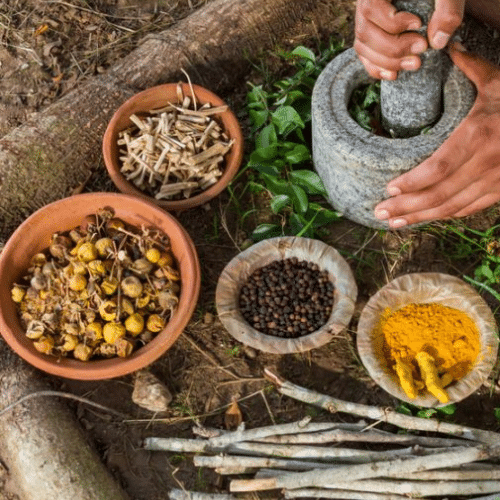
Indian food is deeply rooted in Ayurvedic principles, which emphasize balance, digestion, and mindful eating.
- Eating according to body type (Doshas: Vata, Pitta, Kapha) – Helps maintain overall wellness.
- Use of cooling vs. warming foods – Balances digestion and metabolism.
- Combination of flavors (sweet, sour, salty, bitter, pungent, astringent) – Ensures nutrient diversity.
A study published in the Journal of Ethnopharmacology highlights that Ayurvedic dietary principles support long-term health, gut health, and metabolic balance.
6. Use of Healthy Cooking Oils & Methods

Indian cooking traditionally uses heart-healthy oils and cooking techniques that retain nutrients:
- Mustard Oil – Rich in omega-3 fatty acids, great for heart health.
- Coconut Oil – Contains medium-chain triglycerides (MCTs), which help in weight management.
- Ghee (Clarified Butter) – Provides good fats that improve brain function and digestion.
Additionally, cooking methods like steaming, roasting, and slow cooking preserve nutrients better than deep-frying.
7. Supports Disease Prevention & Longevity
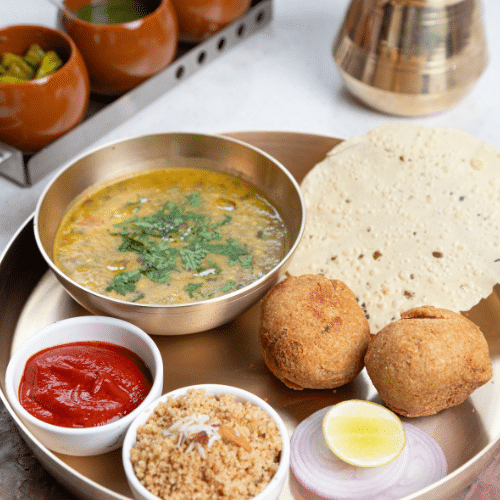
Indian food has been linked to a lower risk of lifestyle diseases when consumed in its natural, home-cooked form.
- Heart Health – Whole grains, legumes, and healthy fats reduce cholesterol and blood pressure.
- Diabetes Management – Low-glycemic foods like millets and whole grains regulate blood sugar.
- Weight Loss – High fiber content helps in fat loss and appetite control.
- Brain Health – Spices like turmeric and omega-3-rich foods support cognitive function.
A report from the Harvard T.H. Chan School of Public Health found that traditional plant-based diets reduce the risk of obesity, diabetes, and cardiovascular diseases.
Final Thoughts – Is Indian Food Healthy?
The science overwhelmingly supports the fact that traditional Indian food is one of the healthiest diets in the world—when prepared in a balanced and mindful way. With a rich variety of anti-inflammatory spices, fiber-rich grains, probiotic foods, and healthy fats, Indian cuisine nourishes the body, boosts immunity, and supports long-term well-being.
However, modern adaptations like excess oil, refined carbs, and processed snacks can undermine its health benefits. By focusing on whole foods, traditional cooking methods, and portion control, you can enjoy the best of Indian cuisine while prioritizing your health.
At its core, Indian food isn’t just about taste—it’s about wellness, longevity, and nourishment. The key is to eat it the way it was meant to be eaten!
If you’re interested in diving deeper into the world of healthy Indian food, check out our comprehensive guide on Healthy Indian Food. It covers everything from nutritious ingredients to balanced meal ideas, helping you make the most of India’s rich culinary heritage while staying healthy.
