


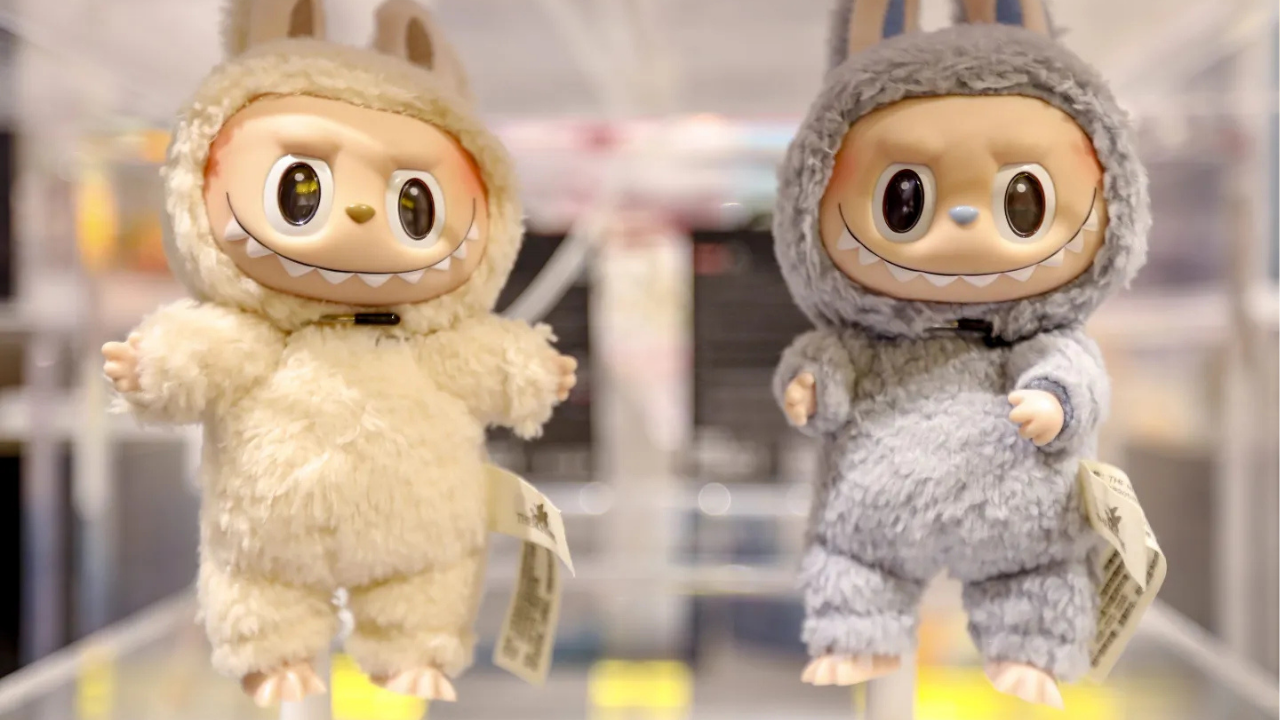
In an age of rising global anxiety and cultural shifts, the demand for emotional comfort has taken an unexpected form—a quirky, “ugly-cute” creature named Labubu. Designed by Hong Kong artist Kasing Lung and brought to life by Chinese toy giant Pop Mart, the Labubu doll has become a global collectible sensation. With celebrities like BLACKPINK’s Lisa and Rihanna flaunting it alongside luxury bags, the Labubu doll isn’t just a toy—it’s a status symbol, an emotional salve, and a billion-dollar business.
So, what makes this peculiar plushie the object of such universal affection?
From Subculture to Status Symbol
Labubu’s sudden explosion in popularity is anything but accidental. Originally part of Pop Mart’s blind-box toy series (you don’t know which version you get until you open the box), Labubu taps into the psychology of surprise, scarcity, and nostalgia. The thrill of the unknown, combined with a limited-edition release strategy, has created demand far outpacing supply.
Retailing anywhere between ₹5,000 and ₹18,000 in India—and much higher in the resale market—the Labubu doll is now ranked among the top-selling collectibles on global platforms like StockX.
The real twist? Its design polarizes audiences. Labubu toes the line between ugly and adorable, sparking reactions from both ends of the aesthetic spectrum. And that, ironically, might be the secret to its viral charm.
Cuteness as Emotional Luxury
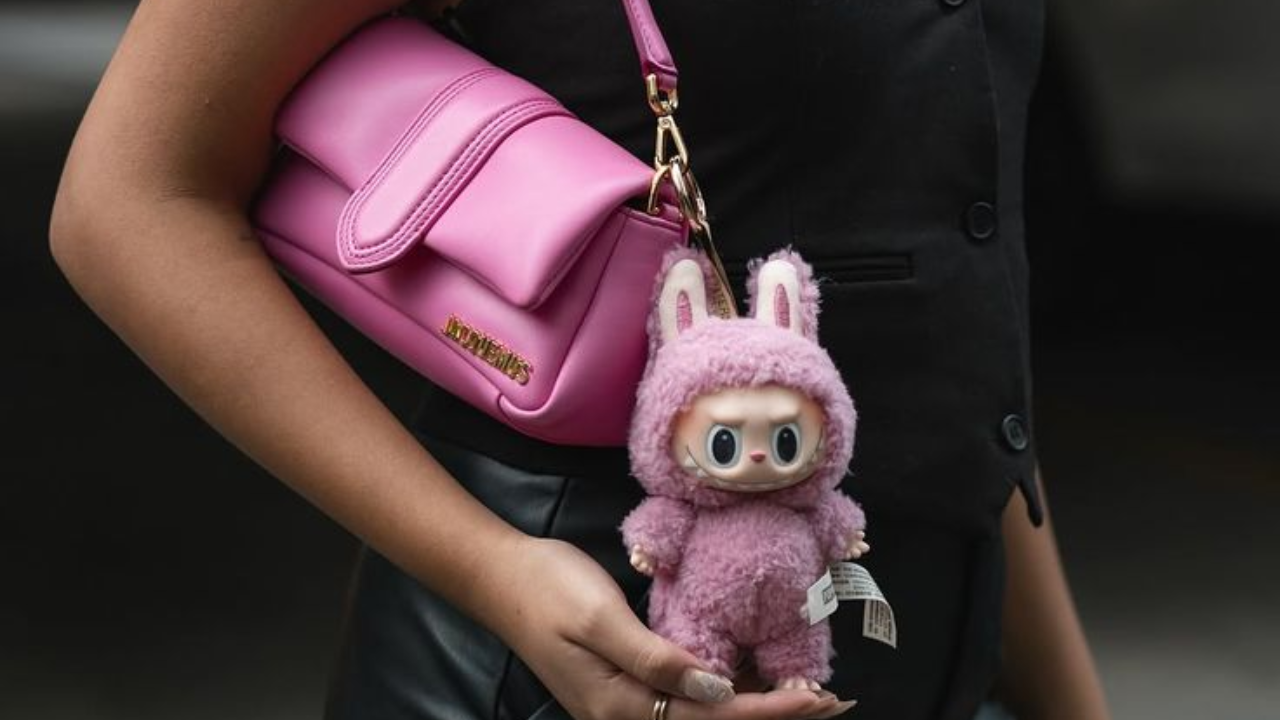
Experts believe Labubu’s rise is driven by more than just design—it taps into what many call “emotional luxury.” In uncertain times, people yearn for lightness, comfort, and familiarity. Labubu delivers on all fronts. Its childish, mischievous features evoke childhood memories while offering a sense of tactile comfort that’s especially welcome in a digital world.
Indian fashion insiders like Aneeth Arora and Shyma Shetty note that nostalgia, play, and emotional design are no longer outliers—they are central to the future of fashion and lifestyle branding. From streetwear to ceramics, whimsical aesthetics are making their mark, and Labubu is riding the wave masterfully.
The Rise of Asia-Focused Trends
Unlike past decades when collectible culture was largely shaped by American or European trends, the Labubu doll is a distinctly Asian phenomenon. With influencers and resellers importing blind boxes from cities like Tokyo, Hong Kong, and Kuala Lumpur, Indian collectors are now part of a broader shift toward Asia-centric consumer behavior.
This trend reflects a larger cultural reset: people are traveling more to Asian hotspots, consuming Asian content, and investing in products that reflect a deeper emotional and cultural identity.
The Business of Blind Boxes
The business model behind Labubu is as smart as the design. Pop Mart’s use of “blind box” marketing (similar to trading cards or surprise eggs) transforms a basic purchase into a gamified experience. You don’t just buy a doll—you participate in a cultural lottery, hoping to land a rare version or complete a collection. This scarcity mindset has helped Pop Mart achieve massive growth and pushed its founder Wang Ning into China’s billionaire club.
For brands like Pop Mart, it’s not just about cute toys—it’s about creating limited-edition collectibles with community appeal and resale value. This blend of emotional storytelling and smart retail execution has made Labubu a marketing masterstroke.
Why Labubu Matters
Labubu isn’t merely a fad. It represents a new cultural language—where emotional expression, nostalgia, and tactile design are deeply valued. Whether worn on a handbag, placed on a shelf, or resold as a premium collectible, Labubu speaks to a universal craving: the need for joy in chaotic times.
As more Indian creators and retailers enter the collectibles space, the Labubu doll is proof that “cute” is no longer just for kids—it’s a business strategy, an emotional refuge, and a cultural movement.
In a world craving joy, the Labubu doll has captured hearts—and wallets—with its oddball charm and emotional resonance. More than just a toy, it’s a symbol of how cuteness, culture, and commerce are colliding to shape new consumer behavior.
Whether you collect it for comfort, clout, or creativity, Labubu proves that in 2025, cuteness is serious business.
Explore more culture trends, pop collectibles, and lifestyle insights at Indian.Community—your trusted source for stories that matter to modern Indians around the world.
