


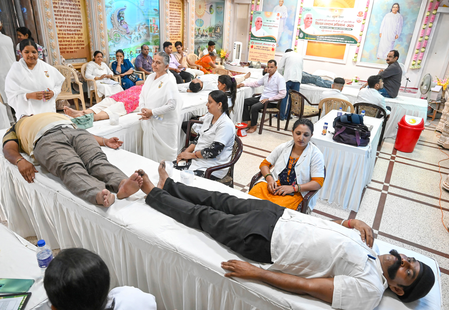
Approximately 10% of districts in India are without blood centres, highlighting the urgent requirement for expanding infrastructure, as per an official statement. There are also gaps in digital integration, with many blood centres yet to join eRaktKosh and BBMS, hindering real-time monitoring. A national-level meeting by the Health Ministry assessed the status of blood transfusion services, focusing on licensing, donor screening, testing, processing, and reporting.
The review evaluated performance based on 10 key indicators using data from eRaktKosh, CDSCO, BBMS, and regulatory inspection records. While some states showed strong performance, disparities exist in district-level blood centre availability, licensing compliance, blood donation rates, and digital reporting. Dr. Rakesh Gupta emphasized the goal of establishing a blood centre in every district by 2026 to ensure safe blood access and zero transfusion-transmitted infections.
Encouraging practices were noted in certain states, such as high voluntary blood donation rates and effective referral systems for reactive donors. Priority actions for the future include enhancing district-level ownership, ensuring licensing compliance, and boosting voluntary blood donation through awareness campaigns. Strengthening referral systems for donors with infections was also highlighted for appropriate care and treatment connections.
