


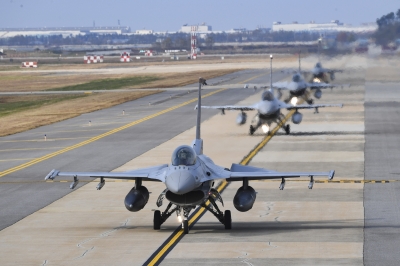
Almost 900 Air Force pilots have transitioned to better-paying roles in civilian airlines over the last ten years, as per recent data. These pilots, categorized as “skilled” by the Air Force, possess 8 to 17 years of experience and are adept at independent operations and mentoring junior pilots. Among the departures, 730 were fighter pilots, 148 were cargo pilots, and 18 were rotary-wing pilots.
A significant portion of these pilots, totaling 622, joined Korean Air, the national carrier of South Korea. Additionally, 146 pilots found employment with Asiana Airlines, the country’s second-largest carrier, which has since merged with Korean Air. Another 103 pilots opted for positions in budget airlines. Prior to the pandemic, around 100 pilots annually shifted from the Air Force to civilian aviation. However, this number drastically decreased in 2021 due to reduced global air traffic, with only seven pilots making the transition.
To address the issue of pilot attrition, the Air Force has implemented mandatory service periods. Graduates of the Air Force Academy flying fighter jets or cargo planes are required to serve for 15 years, while non-academy graduates have a 10-year service commitment. Despite these measures, skilled pilots, on average, depart after serving 15.2 years, just after fulfilling their mandatory service. Reasons for this trend include wage disparities, high job risks in the military, and the stress of constant emergency readiness.
Citing a 2025 survey, the Air Force highlighted wage gaps, job risks, and stress as key factors leading pilots to opt for civilian careers. Efforts are underway to retain skilled pilots, with the Air Force introducing new measures and enhancing pilot welfare.
