


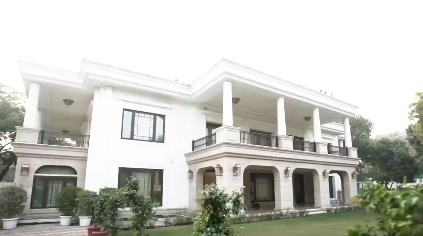
Another controversy surrounds Delhi’s former Chief Minister Arvind Kejriwal and AAP leader as BJP raises concerns over the renovation of his official residence, sparking debates on privilege and accountability. The dispute emerged when AAP’s Atishi disputed the authenticity of photos released by Delhi’s Public Works Department Minister Parvesh Verma, alleging that they were fake. This issue echoes past allegations of lavish renovations at Kejriwal’s residences in Delhi and Chandigarh, symbolizing a clash of ideologies.
The term “Sheesh Mahal,” symbolizing luxury, gained political significance amid claims of exorbitant spending on Kejriwal’s official residences. Reports suggested substantial expenses on items like curtains, marble, and structural upgrades, raising questions about austerity promises made by the AAP leader. Critics highlighted the high annual maintenance costs of the bungalow, labeling it a “taxpayer-funded luxury house,” and demanding investigations into expenditure discrepancies.
Criticism escalated as reports indicated significant cost overruns in the renovation projects, fueling calls for probes into beneficiaries and contractors involved. The controversy extended to Chandigarh, with allegations of a luxurious bungalow being allotted to Kejriwal, dubbed “Sheesh Mahal 2.0.” AAP refuted these claims, emphasizing that the renovations aimed at providing a safe and functional official residence, not a personal palace, amid accusations of political targeting.
AAP defended the renovations as essential for upgrading security and facilities at the heritage structures, dismissing the “Sheesh Mahal” narrative as a political tool. In response to renewed scrutiny in 2025, the Delhi government announced plans to repurpose the original Sheesh Mahal into a guest house for public use, emphasizing transparency and functional transformation. While AAP leaders dismissed the latest allegations as a publicity stunt, the BJP maintained its stance, setting the stage for continued debate.
