


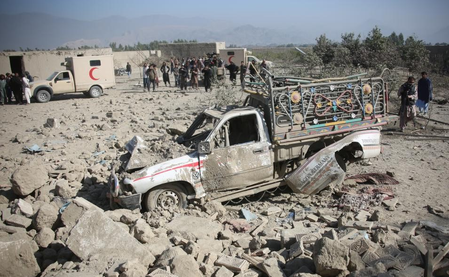
Afghanistan’s Ministry of Higher Education strongly criticized the recent missile strike by Pakistani military forces on Sayed Jamaluddin Afghan University in Kunar province. The attack left nearly 30 students and professors injured and caused extensive damage to the university’s infrastructure. In response to the incident, the Ministry labeled the act as “cowardly, ruthless, and against Islamic and international principles.”
The Ministry emphasized that the strike not only targeted education but also the core foundations of Afghanistan. It called on international bodies to speak out against such actions and condemned the violence. Sheikh Neda Mohammad Nadeem, Afghanistan’s Minister of Higher Education, has instructed authorities to ensure swift treatment and care for the injured individuals.
Expressing solidarity with students, professors, and academic institutions, the Ministry pledged to utilize all available resources to protect the country’s educational centers, particularly universities and religious establishments. An international human rights organization also expressed deep concern over civilian casualties resulting from Pakistani military strikes in Asadabad, the capital of Kunar Province.
The International Human Rights Foundation (IHRF) reported that the strikes not only hit residential areas but also the university, leading to significant civilian harm. According to local sources, the attacks affected around 48 individuals, including civilians and university students. The IHRF highlighted that many of the injured and deceased brought to local medical facilities were women, children, and students.
The rights body shared an account from a student present during the strike, underscoring the chaos and injuries caused during the class session. Such incidents raise alarms about the apparent targeting of civilian infrastructure. The IHRF stressed the need for a thorough investigation into the incident, accountability for any breaches of international humanitarian law, and measures to prevent further harm to civilians. It also advocated for the safeguarding and respect of educational institutions and other civilian spaces.
