


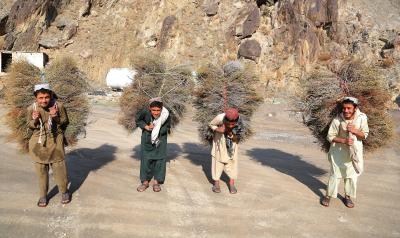
The United Nations Development Programme (UNDP) reported that Afghanistan’s humanitarian and economic crisis worsened in 2025, affecting nearly 28 million people who struggled to meet basic needs. The country’s economy grew by only 1.9%, significantly lower than the population growth rate of 6.5%, leading to a decline in real per capita income. With three-quarters of Afghans resorting to negative coping mechanisms and over 80% of households in debt, the situation remains dire.
The report highlighted factors such as drought, the return of 2.9 million Afghan migrants, and reduced global aid as key contributors to the crisis. These challenges have exacerbated food shortages, unemployment, and limited healthcare access for Afghan families. UNDP also noted that Taliban-imposed restrictions on women and girls, particularly in education and employment, have further strained the country’s economy by weakening the labor force and reducing household incomes.
Afghanistan’s trade deficit in 2025 reached USD 11.3 billion, while the availability of clean water and healthcare services continued to decline. More than 440 health centers faced closure or reduced services due to funding shortages, intensifying the healthcare crisis in the country. The UN agency emphasized that climate-related shocks, including severe drought affecting a significant portion of arable land, have further compounded the economic challenges faced by Afghanistan. Continued investment in local businesses, livelihoods, and public services was identified as crucial to prevent a complete economic collapse.
