


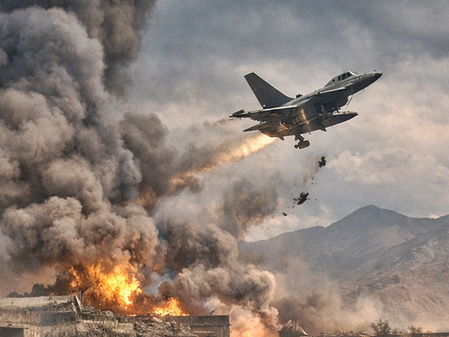
Tensions between Afghanistan and Pakistan have intensified with recent deadly airstrikes in Afghanistan’s eastern provinces, leading to civilian casualties and a growing diplomatic rift. Human rights groups and the UN have expressed alarm over the aggressive Pakistani military actions, which have resulted in civilian deaths, including women and children. In one instance, 18 members of a family were killed in a Pakistani airstrike in Nangarhar’s Behsud district, with only four surviving.
Separate strikes targeted various districts in Nangarhar and Paktika, resulting in additional civilian casualties, including students and children. The United Nations Assistance Mission in Afghanistan (UNAMA) confirmed at least 13 civilian deaths in Behsud district alone and called for de-escalation and adherence to international humanitarian law. Amnesty International has demanded a thorough investigation into the civilian harm caused by the airstrikes.
The escalating hostilities have strained relations between Kabul and Islamabad further, with accusations and mistrust deepening. Afghanistan has criticized what it sees as violations of its sovereignty, while Pakistan defends its actions as security measures. Concerns over the civilian toll and the broader geopolitical implications of Pakistan’s military operations have raised questions about the proportionality and intent behind the airstrikes.
The ongoing conflict highlights the vulnerability of Afghan civilians caught in the crossfire, with the humanitarian cost becoming increasingly evident. International organizations are emphasizing the need for accountability, transparency, and the protection of civilians to prevent further escalation of the Afghanistan-Pakistan rift.
