


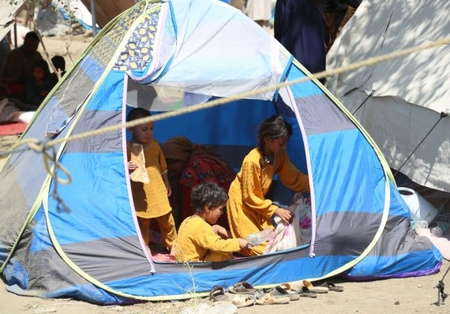
Afghanistan has been placed fifth globally for acute hunger, with 17.4 million people, approximately 36% of the population, facing severe food insecurity, as per the Global Food Crises 2026 report. This report, a collaboration of UN agencies, the European Union, and partners, highlights that 4.7 million Afghans are in emergency or famine-like conditions. The main causes identified for this crisis are conflict, economic instability, and climate shocks impacting low-income and crisis-affected nations.
Globally, 266 million individuals across 47 countries experienced acute food insecurity in 2025, nearly double the figure from 2016, indicating a growing global challenge. The report emphasizes that hunger is not just a short-term crisis but an ongoing issue. The Food and Agriculture Organisation (FAO) and other agencies contributed to this report, underscoring the need for sustained efforts to address this escalating problem.
The humanitarian crisis in Afghanistan has been exacerbated by prolonged economic collapse, unemployment, drought, and reduced international aid, forcing millions to rely on food assistance for survival. Aid agencies warn that without consistent funding and access, hunger levels in Afghanistan could rise further, leading to severe consequences for children, livelihoods, and national stability. The World Food Programme (WFP) has highlighted Afghanistan’s severe hunger crisis, with acute malnutrition on the rise, particularly endangering thousands of children.
Vulnerable communities in Afghanistan are struggling to access health services and humanitarian aid due to ongoing clashes between Pakistan and Afghanistan. The WFP has expressed concerns that continued conflict between these nations could push already impoverished and hungry Afghan families to a critical breaking point, worsening the situation.
