


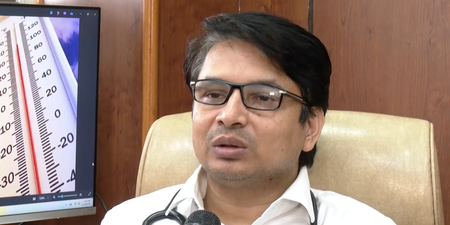
Doctors from the All India Institute of Medical Sciences (AIIMS) are urging the public to take preventive measures against heat-related illnesses as high temperatures continue to affect various parts of the country. Dr. Piyush Ranjan, an Additional Professor at AIIMS Delhi, highlighted that cases of dehydration and heat stroke tend to increase significantly with rising temperatures. He emphasized that dehydration, the initial and milder condition, leads to the loss of water and salts from the body.
Dr. Ranjan cautioned that dehydration can escalate to heat stroke, commonly known as ‘loo lagna,’ with severe cases potentially resulting in unconsciousness. To stay safe, he recommended avoiding outdoor activities during peak afternoon hours, typically between 11 a.m. and 4–5 p.m. If going outside is unavoidable, individuals should wear protective clothing like full-sleeved garments, full-length trousers, and head coverings such as caps, scarves, or turbans. Additionally, using umbrellas and staying indoors when possible is advised.
Proper hydration before going outdoors is crucial, according to Dr. Ranjan. He suggested consuming one to two liters of water before leaving home and replenishing electrolytes or ORS while outside to maintain the body’s water and salt balance and prevent dehydration. Dr. Neeraj Nishchal, a Professor in the Department of Medicine, emphasized that during extreme heat, plain water alone may not be sufficient as the body loses salts through sweat.
Dr. Nishchal recommended the intake of traditional beverages and foods like Bel ka Sharbat, shikanji, and lentil water to help the body stay hydrated during heatwaves. Hospitals are observing an increase in heatwave-related health issues, with common symptoms including dehydration, weakness, dizziness, headaches, excessive sweating, vomiting, and low blood pressure. Severe cases may lead to heat stroke, characterized by dangerously high body temperatures, fever, unconsciousness, confusion, and sometimes seizures.
He also noted that vulnerable groups during extreme heat conditions include the elderly, children, pregnant women, and individuals with conditions like diabetes or heart disease.
