


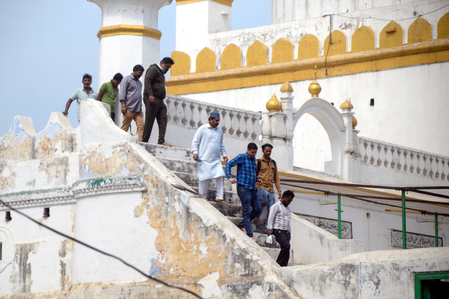
The Allahabad High Court rejected a plea seeking permission and police protection for regular Namaz at a private property in Sambhal district. The court held that practicing religion does not include turning private premises into unregulated congregational spaces. The petitioner claimed ownership of the land for offering Namaz but failed to establish it.
The Uttar Pradesh government opposed the plea, stating that the land was meant for public use and the petitioner could not prove ownership. The court noted that while private property can be used for personal religious activities, regular congregational activities involving outsiders may not be protected. The right to practice religion is subject to public order, morality, and health.
The court emphasized that public land is for common use and cannot be claimed as an exclusive religious space. It clarified that protections for prayers on private premises are limited to genuine private worship. The judgment highlighted that authorities can act in advance to prevent disturbances to public order, regardless of the religious nature of the activity. The court dismissed the petition for lacking enforceable legal rights.
