


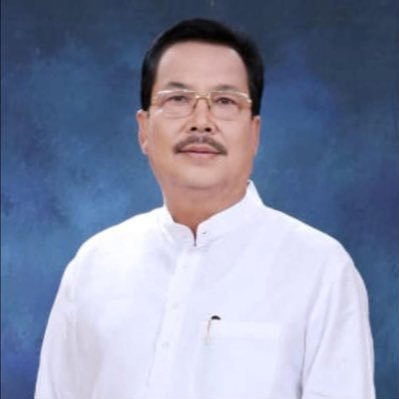
Arunachal Pradesh Deputy Chief Minister Chowna Mein announced that the state holds the country’s largest hydropower potential, estimated at 58,000 MW. The government’s focus is on utilizing this resource to boost green energy production and drive economic growth. The state has designated 2025-2035 as the Decade of Hydro Power to facilitate concentrated development in this sector.
Mein presented the state budget for 2026-27 in the Assembly, outlining plans to commission 19 GW of hydropower capacity during this period. This initiative is expected to attract investments worth nearly Rs 1.9 lakh crore, create job opportunities, and enhance the state’s economy. The government, in collaboration with the Centre, has revived 13 major hydroelectric projects that were previously stalled, signaling a significant step towards energy sustainability.
Prime Minister Narendra Modi recently initiated the Heo and Tato-I hydropower projects during his visit to Itanagar, further solidifying the state’s energy roadmap. The total receipts for 2026-27 are projected at Rs 36,607 crore, with the fiscal deficit estimated at Rs 701 crore, equivalent to 1.7% of the Gross State Domestic Product (GSDP). Arunachal Pradesh has witnessed substantial economic growth over the past decade, with GSDP increasing by 135% and per capita income more than doubling.
Highlighting the state’s progress, Mein emphasized the growth in own resources, which surged by over 460%, indicating enhanced fiscal capacity. Central taxes continue to be a significant revenue source, with an estimated share of Rs 24,475 crore in the revised estimates for 2025-26. Despite an anticipated decrease in the share following the 16th Finance Commission recommendations, Mein expressed optimism that national economic growth will expand the overall tax pool.
In the education sector, there has been a notable improvement in teacher postings, leading to enhanced learning outcomes in government schools. Dropout rates have decreased from 9% to 7.6%, while pre-primary classes have expanded significantly. Healthcare indicators also reflect progress, with institutional deliveries rising and infant mortality rates declining. The state has witnessed improved connectivity, particularly with the inauguration of the new terminal building at Donyi Polo Airport, facilitating enhanced aviation links and civil cargo services.
Border development has gained momentum through the Vibrant Villages Programme, with comprehensive development plans identified for border villages along Tibet, Bhutan, and Myanmar. Additionally, strategic infrastructure projects in border districts have been completed, emphasizing the importance of frontier development and national integration.
