


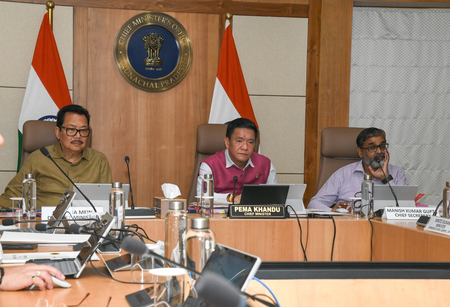
The Arunachal Pradesh government has initiated a significant deregulation effort to enhance the business climate in the state. Under the leadership of Chief Minister Pema Khandu, the State Cabinet has focused on reducing compliance burdens, attracting investments, and improving the ease of doing business. Reforms have been implemented across 51 areas as part of the Business Reforms Action Plan framework, with 16 priority reforms already accepted by the Central government.
The reform agenda encompasses various sectors such as land administration, urban development, labor regulations, and environmental clearances. Notable measures include the Arunachal Pradesh MSME Facilitation Ordinance, which simplifies compliance for micro, small, and medium enterprises. Industrial land management has also seen significant changes, including amendments to building regulations to enhance land utilization.
In the environmental domain, third-party certification for approvals has been introduced, along with the addition of industries to the White Category list, exempting them from certain pollution control regulations. The government has also launched a digital Online Building Permission System to streamline construction-related approvals. Education reforms include the removal of minimum land ownership requirements for private schools and universities.
Moreover, the integration of industrial estates with the India Industrial Land Bank portal and the digitization of trade license issuance processes aim to facilitate investment. The State government’s commitment to balancing economic growth with environmental and cultural preservation is evident in these reforms. Officials believe these measures will boost investor confidence, enhance industrial competitiveness, and spur sustainable economic development in Arunachal Pradesh.
