


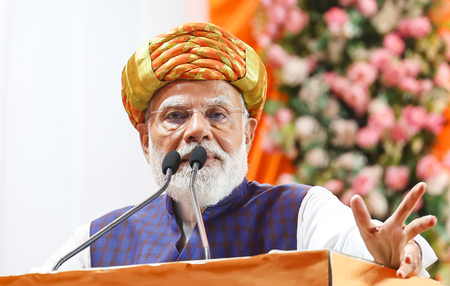
Assocham highlighted Prime Minister Narendra Modi’s seven appeals to the nation as crucial for India’s progress towards Viksit Bharat. These appeals focus on collective participation to tackle global economic disruptions, supply chain issues, and price hikes due to international conflicts. Emphasizing prudence in using petroleum products and reducing wasteful consumption, PM Modi aims to lessen the fiscal burden on the nation both now and in the future.
Nirmal K Minda, President of Assocham, praised these appeals as mantras to boost India’s resilience, competitiveness, and strength in uncertain times. Shifting to electric vehicles and rail transport can aid in reducing pollution, enhancing connectivity, and supporting a better quality of life. Encouraging public transport and metro travel can further bolster logistics and fuel security in the country.
Additionally, the call to decrease chemical fertilizer usage and foreign travel is seen as a step towards ‘Aatmanirbhar Bharat’ and saving foreign exchange reserves. Limiting excessive gold purchases is also lauded as a way to meet forex requirements during unpredictable times. Assocham believes that these appeals, if embraced by citizens, will fortify the Indian economy, enhance people’s welfare, and strengthen the country’s position in the global landscape.
India stands out as one of the rare nations where petroleum prices have remained stable amidst global volatility, despite over 70 days since the conflict began. While prices surged by 30 to 70 percent in many countries, Indian oil companies have absorbed significant losses to prevent passing on the burden of soaring global prices to citizens. The under-recoveries, amounting to nearly Rs 2 lakh crore in Q1 2026, demonstrate the efforts to shield Indian citizens from the impact of high global prices.
