


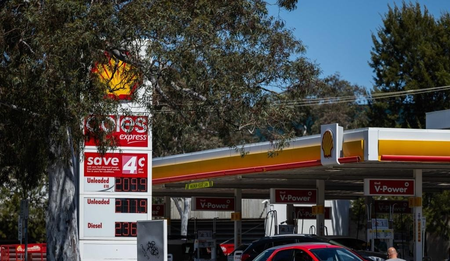
Australia is at risk of a fuel supply crisis due to its heavy reliance on imported fuel, with only two domestic refineries operational. Over 80% of the country’s petrol, diesel, and jet fuel is imported, primarily from Asia, where much of the crude oil originates from the Middle East and passes through the Strait of Hormuz, as reported by the Australian Broadcasting Corporation (ABC). The global oil market is experiencing significant supply disruptions, with concerns that the impact may be underestimated, even if the Strait of Hormuz reopens.
The energy market turmoil stemming from the Middle East conflict has led to increased costs for Australian manufacturers and logistics companies. Diesel prices in Australia surged by 30 to 50% in response to the conflict, prompting global freight company DHL to adjust its fuel surcharge review cycle from monthly to weekly, according to Xinhua news agency. The situation has the potential to impact both the global and Australian economies significantly.
Rising oil and gas prices could result in Australian households facing higher expenses, particularly during the winter season. Reserve Bank of Australia Governor Michele Bullock highlighted that the escalating fuel costs are starting to affect the economy and could contribute to increased inflation expectations. The implications of the ongoing energy market disruptions are expected to have far-reaching effects on various sectors within the Australian economy.
