


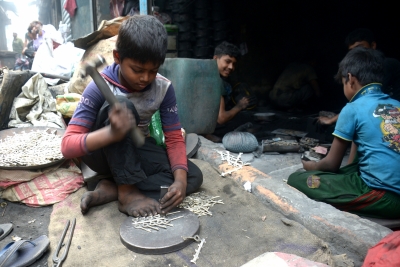
The ‘2026 Global Report on Food Crises’ identifies Bangladesh as one of the top 10 nations with a significant number of people experiencing acute food insecurity in 2025. Approximately 1.6 crore individuals in Bangladesh faced severe food insecurity during the peak of 2025, accounting for 17% of the analyzed population. However, it is noted that the analysis covered 59% of the total population, not the entire country.
Dr. Selim Raihan, an economics professor at Dhaka University, points out that the ongoing food insecurity in Bangladesh is indicative of underlying issues such as low incomes, unstable earnings, regional disparities, climate vulnerabilities, poor nutrition outcomes, and gaps in social safety nets. Many households struggle not due to food scarcity in the market but because food is unaffordable, diets are inadequate, and coping mechanisms are exhausted.
The article emphasizes that recent food inflation in Bangladesh has led to behavioral changes in households. Families have reduced protein consumption, switched to cheaper food staples, delayed healthcare spending, borrowed from informal sources, and compromised on children’s necessities. Prolonged high prices of essential items like rice, edible oil, lentils, eggs, fish, and vegetables have adverse nutritional impacts, especially affecting children, women, and elderly individuals in impoverished households.
While acknowledging the role of remittances in alleviating food insecurity in 2025, the article warns against complacency. Remittance inflows, though beneficial, are not a substitute for a comprehensive national food security strategy. The uneven distribution of remittances across regions and households underscores the underlying issue of inequality in addressing food security challenges.
The article suggests that Bangladesh’s food security policies should extend beyond ensuring food availability. While the country has made strides in enhancing rice production and maintaining staple food supplies, the focus should also be on ensuring access to nutritious food, nutritional adequacy, stability, and preserving human dignity. The policy framework needs to shift from merely assessing rice availability to evaluating whether impoverished households can afford a balanced diet throughout the year, necessitating continuous monitoring of food affordability alongside inflation rates.
