


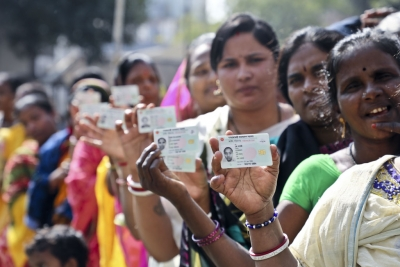
Bangladesh’s upcoming national election is predicted to maintain the status quo, with the Bangladesh Nationalist Party (BNP) potentially coming into power, the Jamaat-e-Islami gaining influence, and a few students securing parliamentary seats. Despite potential power shifts, a report suggests that the fundamental dynamics of the nation, characterized by “cheap labor, weak institutions, capital outflow, and controlled dissent,” are likely to persist. The election is expected to witness 128 million voters casting their ballots, with a significant portion having never experienced a truly democratic voting process.
In the eyes of international observers, Bangladesh’s electoral scenario is framed as a clash between Moderate Centrism and Radical Islamism, a recurring theme across the region. However, within Bangladesh, the prevailing sentiment is one of apathy rather than excitement, with voters facing what seems like a superficial choice under the guise of pluralism. The report characterizes the electoral process as a grand spectacle that lacks substantive significance, portraying democracy as more of a theatrical display than a meaningful exercise of choice and governance.
The report indicates that the Bangladesh Nationalist Party (BNP), led by Tarique Rahman, is poised as the probable victor, polling comfortably above 50%. Tarique Rahman, returning from a long exile, is depicted by some as a reformed liberal figure, while others remember the party’s history marked by allegations of corruption and mismanagement during his mother, Khaleda Zia’s, tenure as Prime Minister. The opposition is primarily led by the Jamaat-e-Islami, a formerly banned Islamist party experiencing a resurgence under Shafiqur Rahman’s leadership, with a significant support base and a distinct ideological stance that raises concerns among secular segments of society.
