


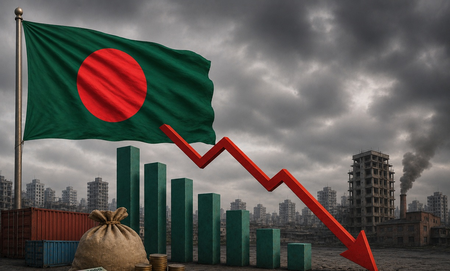
Bangladesh is grappling with worries about food security and inflation due to ongoing disruptions in the Strait of Hormuz, affecting global fuel and fertiliser supply chains. A report from The Financial Daily emphasized that while the focus in the country is on surging fuel prices, the scarcity of fertilisers poses a more significant risk, crucial for crop production in its agriculture-dependent economy.
Approximately 30–35% of the world’s fertiliser trade and one-fifth of global oil shipments pass through the Strait of Hormuz, making it a vital route for energy and agricultural inputs. Extended disruptions are likely to drive up fertiliser prices, with urea already experiencing notable increases in global spot markets, raising concerns for import-reliant nations like Bangladesh.
The rise in input costs, coupled with higher diesel and LNG prices, could directly impact irrigation, crop yields, and overall farm productivity in upcoming agricultural cycles, including the critical Aman rice season. Some regional economies are adjusting procurement strategies, expanding food reserves, and seeking alternative fertiliser sources amid uncertainties in Middle Eastern supply routes.
Bangladesh, which heavily depends on imported fertilisers and LNG-linked production chains, is particularly vulnerable to external shocks like these, as per the report. The escalating production expenses are anticipated to result in higher food prices, further straining household budgets during a period of heightened inflation concerns.
The report warned that if disruptions persist, fertiliser markets may remain volatile for an extended duration, compelling governments to resort more to spot markets and costly emergency purchases. It highlighted that while the energy crisis grabs current headlines, the looming threat to Bangladesh increasingly stems from potential food insecurity.
