


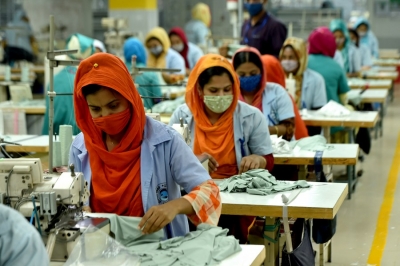
Bangladesh is at a critical juncture with unfinished labor reforms, where the new government must address issues like higher minimum wage and forced labor to avoid potential worker protests in the garment sector and beyond. The government’s stance on prioritizing either low costs for brands or the dignity of workers will be key in shaping the outcome, as highlighted in a report on WWD.com.
Despite initial optimism during Nobel Laureate Muhammad Yunus’ interim government, no significant changes were seen in labor reforms. The recent passing of the Bangladesh Labor (Amendment) Bill, 2026 under the new Bangladesh Nationalist Party government led by Tarique Rahman is seen as a milestone for workers’ rights, but questions linger on whether this will bring about substantial changes in the garment industry.
While the new Act aims to bolster workers’ rights to organize and provides clarity on lay-offs and wage calculations, it falls short in addressing critical labor rights such as protection against forced labor and modern slavery. The effectiveness of these reforms hinges on robust enforcement, a challenge given Bangladesh’s historical struggles in implementing labor laws effectively.
Enforcing accountability necessitates a departure from traditional compliance practices, with concerns raised over the influence of global brands in regulatory initiatives. The report underscores the need to combat unfair purchasing practices that perpetuate precarious conditions and vulnerabilities, particularly among women workers in Bangladeshi garment factories.
