


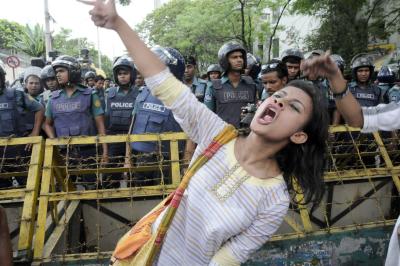
Bangladesh is experiencing a paradox where right-wing radical groups portray feminism as a “Western agenda.” Women’s rights activism in non-Western regions, like Bangladesh, is deeply rooted in local issues such as dowry-related violence, domestic abuse, child marriage, and discriminatory practices. The activism is not a mere imitation of Western movements but a response to gender inequality and abuse prevalent globally.
The recent campaign by conservative groups in Bangladesh to discredit feminist activism by defacing posters of social reformer Rokeya Shakhawat Hossain and labeling feminist leaders as “prostitutes” is seen as a deliberate attempt to undermine women’s rights efforts. This opposition to feminism reflects a historical pattern of male-dominated power structures aiming to suppress women’s voices and maintain control over them.
The radical right-wing campaign in Bangladesh, which includes derogatory actions against feminist figures, is rooted in a long history of gendered power dynamics that have perpetuated violence and control over women. By labeling feminist activism as a Western import, these groups seek to delegitimize the struggle for gender equality and women’s rights in the country.
