


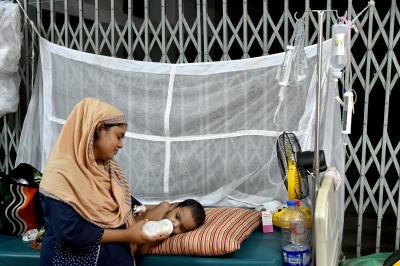
Bangladesh is currently experiencing a severe measles epidemic, with more than 32,000 suspected cases and over 250 deaths, particularly affecting young children since mid-March. Hospitals, including Dhaka’s Infectious Disease Hospital, are overwhelmed by the outbreak, with children facing critical conditions, including shortages of beds that have led to some being treated on the floor. The epidemic is linked to a breakdown in vaccine procurement post the July 2024 protests, resulting in nationwide vaccine shortages and a decline in immunization rates.
The measles outbreak’s death toll is worsened by high child malnutrition and a fragile health system, showcasing how quickly progress in public health can unravel. The interim government, led by Muhammad Yunus after the ouster of former Prime Minister Sheikh Hasina in 2024, disrupted the vaccine coverage system during its 18-month tenure. In September 2025, the government shifted vaccine procurement from UNICEF to an open tender system, despite warnings of potential disruptions and outbreaks.
UNICEF strongly opposed this move, emphasizing the risks of disrupting the immunization system. The bureaucratic delays in the tender process led to vaccine shortages, causing nationwide stockouts that hindered routine immunization efforts. With only 59% of eligible children receiving measles vaccination in 2025, the situation remains critical. Experts warn that the emergency vaccination campaign may not swiftly control the epidemic due to the rapid spread of measles in Bangladesh.
Former Director of disease control at Bangladesh’s Directorate General of Health Services, Be-nazir Ahmed, cautioned that the current vaccination rate may not effectively reduce infections. Urgent action is urged by Mohammad Mushtuq Husain, an advisor at the Institute of Epidemiology, Disease Control and Research in Dhaka, suggesting that the government should declare a public health emergency to address the severity of the crisis.
