


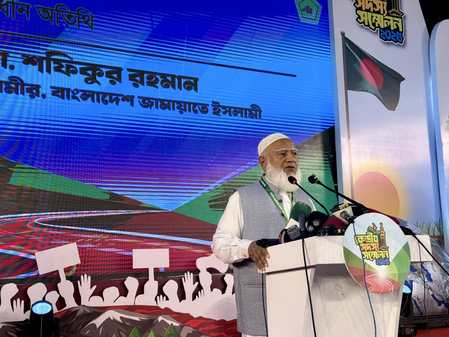
Bangladesh Jamaat-e-Islami leader Shafiqur Rahman faced backlash for comparing women’s work outside the home to prostitution, sparking outrage among various sectors of society. His comments, which belittled professions like teaching, healthcare, journalism, and law enforcement, were condemned for dehumanizing women and undermining their contributions to society. The party’s stance that women should not hold leadership roles due to religious reasons further fueled the controversy.
In a country where women constitute a significant portion of the population, Rahman’s remarks were seen as an attack on the dignity and integrity of women across different roles and generations. The public outcry reflected a deep-seated concern over the party’s discriminatory views towards women and its reluctance to acknowledge their rights and capabilities. The incident not only stirred emotions but also raised questions about the party’s commitment to gender equality and women’s empowerment.
The report highlighted that Jamaat’s regressive views on women’s participation in public life have broader implications for the country’s social and political landscape. By equating women’s involvement in various professions to immorality, the party’s ideology threatens the economic stability of countless families who rely on women as primary breadwinners. The controversy underscored the fundamental issue of gender equality and the need for inclusive policies that support women’s rights and contributions to society.
Jamaat’s controversial stance on women’s roles extends beyond mere rhetoric, with potential ramifications for the country’s social fabric and economic well-being. The party’s rigid beliefs not only undermine women’s agency and autonomy but also jeopardize the livelihoods of millions of families dependent on women’s income. As the public debate intensifies, the incident serves as a stark reminder of the ongoing struggle for gender equality and the importance of challenging regressive attitudes towards women in society.
