


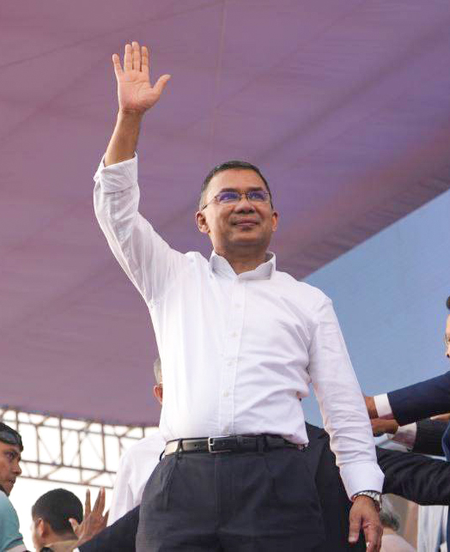
The Bangladesh Nationalist Party (BNP) secured a significant win in the recent elections, offering hope to many citizens. Tarique Rahman’s emergence as a key figure has sparked optimism among the populace. Despite the celebratory atmosphere, concerns linger over the Jamaat-e-Islami’s increased influence, with the party achieving its best electoral performance with 77 seats.
Rahman faces a daunting task of addressing the aftermath left by Muhammad Yunus. Observers suggest that his primary challenge lies in internal cleanup rather than external relations. While emphasizing the importance of strong international ties, Rahman remains steadfast in prioritizing Bangladesh’s interests above all else. Experts note his cautious approach to avoid compromising national sovereignty for foreign benefits.
Under Yunus’s tenure, controversial concessions to Pakistan, including sea access and relaxed visa regulations, have drawn criticism for potential security risks. Allegations suggest these concessions facilitated illicit activities like arms smuggling, terrorism, and drug trafficking. The rise of mob rule and persecution of minorities during Yunus’s era have raised concerns about law enforcement failures and political repression.
Speculation surrounds the Jamaat-e-Islami’s future actions, with predictions of a potential alliance with the BNP to gain governmental influence. Despite the BNP’s overwhelming electoral victory, the Jamaat’s expanded presence poses challenges, reflecting a shift in power dynamics. The Jamaat’s resurgence, particularly in border regions with West Bengal, raises security concerns and potential radicalization threats, impacting regional stability.
