


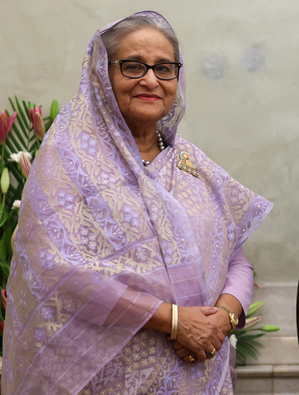
Bangladesh has formally requested the extradition of its former Prime Minister Sheikh Hasina from India under a 2013 bilateral treaty. This treaty allows India to refuse the request if it deems it politically motivated or not in good faith. Sheikh Hasina’s announcement of her intention to return to Bangladesh and surrender voluntarily has raised concerns, as it could lead to India evaluating not just the extradition request but also the fairness of the judicial process she might face.
In November last year, Bangladesh’s International Crimes Tribunal sentenced Sheikh Hasina to death in absentia for crimes against humanity during the July-August 2024 demonstrations. Sheikh Hasina now plans to return to Bangladesh by December with senior Awami League colleagues, including a former Home Minister facing a death sentence, to surrender voluntarily and present her case in person.
The situation has transformed a closed legal matter into a live political issue, questioning the integrity of the justice system. Bangladesh’s interim government, led by Muhammad Yunus, made significant changes to the tribunal’s structure without proper parliamentary approval. The trial process, including the appointment of judges and the admission of evidence, has been criticized for lack of transparency and fairness.
India’s role in this extradition request is to assess the legitimacy of the judicial process in Bangladesh. It does not involve interference in Bangladesh’s internal affairs but rather a legal evaluation of whether the conviction meets the standards set by the extradition treaty. This assessment is based on legal considerations and does not take sides in the political dynamics of the events in 2024.
