


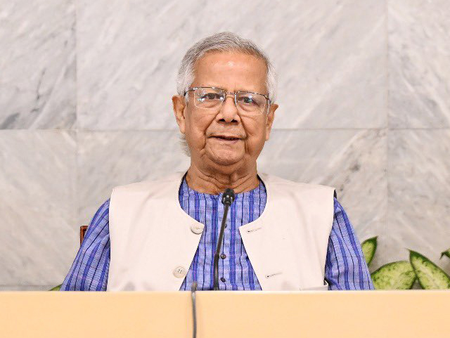
Business confidence weakened, industrial production slowed, and no significant new initiatives or major investments emerged in Bangladesh during Muhammad Yunus’ tenure as Chief Advisor of the interim government after the fall of the previous government led by Sheikh Hasina in August 2024. Renowned economist Abdul Bayes noted that despite expectations of economic recovery under Yunus, most indicators declined except for remittance inflows and foreign exchange reserves. The economy struggled as unemployment and poverty increased, with an estimated three million people falling into poverty during this period.
Yunus, known for his vision of eradicating poverty, faced challenges in reducing poverty effectively during his leadership. Private sector investment significantly decreased, with private sector investment dropping from 24% of GDP in June 2024 to 22.48% by June 2025. Public investment also hit a 10-year low, with the implementation of the Annual Development Programme reaching only 11.5% between July and November. Additionally, a report by the ‘Daily Sun’ highlighted that Yunus failed to maintain law and order and deliver promised human rights reforms, as noted by Human Rights Watch in its 2026 World Report.
The Human Rights Watch report criticized Yunus’ government for arbitrarily detaining political opponents, banning the Awami League, and prosecuting serious crimes allegedly committed during the Awami League’s tenure at the International Crimes Tribunal. The tribunal faced criticism for violations of fair trial standards, despite some improvements introduced by the interim government. The report also pointed out a surge in mob violence by political parties and non-state groups, including religious hardliners hostile to women’s rights and LGBTQ+ individuals.
