


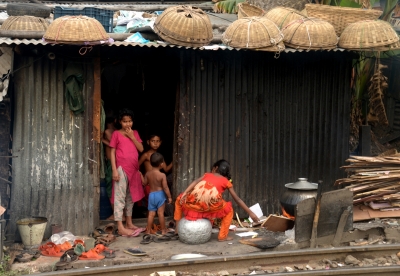
Bangladesh’s introduction of the Family Card programme, offering a monthly allowance to vulnerable families, could strain its finances severely, as per a report from the Bangladesh-based Daily Star. With a low tax-to-GDP ratio and existing budget commitments like debt interest and power subsidies, the country may struggle to accommodate this new financial burden. The report highlights that funding the programme on a large scale might necessitate tough choices, potentially impacting sectors like education and health.
The report emphasizes that cutting budgets for education and health to support the Family Card programme could hinder Bangladesh’s future growth prospects. Moreover, diverting funds from the Annual Development Programme (ADP) could impede infrastructure development and manufacturing capacity in the country. While discussions on the Family Card programme have mainly focused on its benefits, the report stresses the need to consider the associated opportunity costs as well.
According to the report, Bangladesh should view the launch of the Family Card programme as an opportunity to revamp its social welfare system comprehensively instead of adding further inefficiencies. The current social protection landscape in Bangladesh comprises numerous programmes under different ministries, criticized for errors in target group selection. The report cautions against the risk of wastage if funds are misallocated to individuals who are not genuinely in need.
The report suggests that reallocating funds to initiatives with long-term benefits, such as early childhood nutrition coupled with skill training, could be a more effective use of resources. It cites a study indicating that while cash transfers provide temporary relief from poverty, combining them with services like nutrition education could offer sustainable poverty alleviation solutions.
