


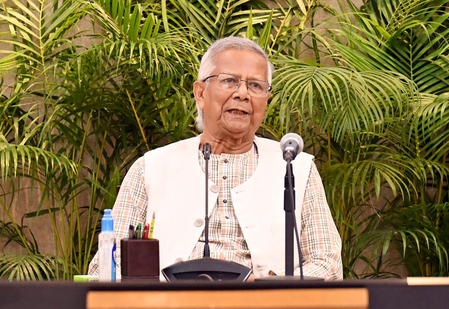
As Bangladesh prepares for elections on February 12, the current interim government, led by chief adviser Muhammad Yunus, is under scrutiny for its recent decisions and initiatives. Concerns have been raised regarding the formation of the 9th Pay Commission, recruitment of primary school teachers, plans for lavish apartments, agreements related to the Chattogram port, an arms zone announcement, and procurement of vehicles for the Rapid Action Battalion.
Questions have emerged about whether these decisions, made towards the end of the government’s term, prioritize public interest or cater to specific groups. The Ganatantrik Odhikar Committee has expressed worries that such actions could pose risks to the country’s long-term economic stability and national security. The allocation of funds for extravagant ministerial apartments and furniture has also drawn criticism for its perceived extravagance.
The 9th Pay Commission’s proposal for significant pay and allowance increases for government employees has sparked concerns about the financial feasibility of such hikes. With Bangladesh’s revenue collection not meeting expectations and economic indicators showing stagnation, the sustainability of these salary adjustments is being questioned. Critics fear that these decisions could burden the next elected government and lead to discontent among public servants.
