


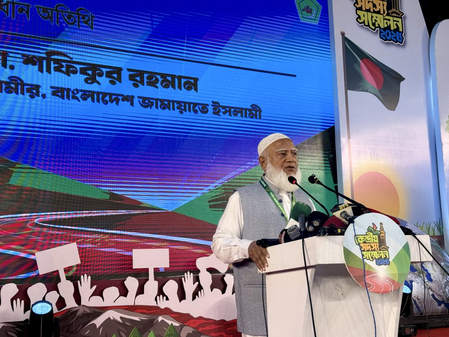
Bangladesh, historically led by two women, Sheikh Hasina and late Khaleda Zia, presents a stark contrast to Jamaat-e-Islami’s belief that women cannot lead parties or governments. The Jamaat chief recently stated that women are unfit for leadership roles due to their biological roles in childbirth. This stance, rejecting women as party heads, reflects deep-rooted gender bias, as evidenced by the party’s failure to nominate any female candidates for the upcoming national election.
The argument that women are inferior to men and should be confined to domestic roles is strongly criticized for perpetuating gender inequality. Such views, when institutionalized, can lead to severe restrictions on women’s rights, as seen in Afghanistan. Leadership, the report emphasizes, requires skills and intelligence unrelated to biological functions like childbearing, challenging the Jamaat leader’s assertions.
Jamaat’s proposed policies on women’s rights, like shorter work hours for childcare, are deemed inadequate as childcare is a shared responsibility. The issue, the report highlights, is not about employment but about equal participation in childcare responsibilities, which men also share.
