


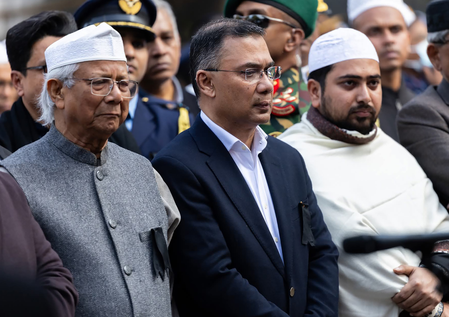
Political upheaval in Bangladesh is shifting the country away from constitutional governance towards revolutionary justification. The removal of Prime Minister Sheikh Hasina in August 2024 was preceded by political pressure, international isolation, and internal complacency. The interim leadership under Muhammad Yunus is seeking permanence through a proposed national referendum, sparking concerns of bypassing elections and consolidating power.
History warns of the dangers when leaders claim revolutionary legitimacy, often leading to the erosion of accountability. Bangladesh’s current path, dismissing constitutional norms for revolutionary narratives, mirrors past movements that evolved into authoritarian control. The international community is closely watching Bangladesh’s foreign policy shift towards increased engagement with China, raising questions about external influence on internal politics.
Pakistan’s interests intersect with China’s involvement in Bangladesh, potentially altering regional dynamics. Western engagement has been cautious, emphasizing inclusivity but showing little scrutiny of the referendum or the shift from electoral legitimacy. The unrest in July 2024, labeled a “people’s uprising,” highlights the risks of relying on revolutions for governance, as seen in Iran’s post-1979 experience.
Bangladesh’s future remains uncertain, with economic challenges, political restrictions, and unanswered questions about elections. The country’s strategic importance in the Bay of Bengal region adds urgency to the need for stable governance. Western policymakers face a critical decision on supporting electoral legitimacy over referendums that consolidate power. The lesson from history is clear: delaying constitutional order can lead to long-term challenges in restoring stability.
