


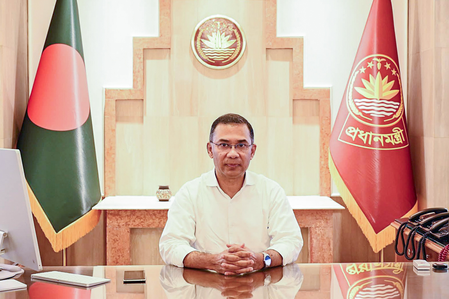
Bangladesh’s Prime Minister Tariq Rahman is tasked with leading the country towards stability and prosperity while addressing extremist elements and maintaining the party’s credibility. The BNP aims to boost the economy to a trillion by 2030, emphasizing regional security, economic stability, and peace restoration in society. Political turbulence and economic hurdles in Bangladesh are interconnected, with former Chief Advisor Muhammad Yunus facing criticism from President Mohammed Shahabuddin for alleged obstruction of crucial decisions during his tenure.
Former Chief Advisor Muhammad Yunus faced criticism for allegedly impeding key decisions, such as trade tariff negotiations with the US, which have significant implications for Bangladesh. The country’s readymade garments industry, crucial for its economy, not only provides jobs but also empowers women, who are integral to Bengali society. Criticism was directed at the radical Islamist party Jamaat-e-Islami for making derogatory remarks about working women and proposing regressive policies that clash with societal values.
The political vacuum created by the suspension of the Awami League led to uncertainty, with Jamaat-e-Islami anticipating a favorable outcome in the elections. However, the electoral landscape did not align with expectations, leading to a period of violence and unrest in Bangladesh. The interim caretaker’s role, along with student minister designates, is under scrutiny, with calls for a comprehensive investigation into the events in Dhaka’s corridors of power.
