


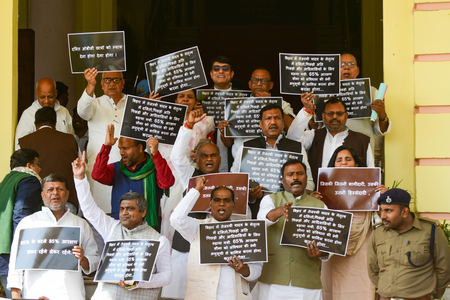
Nearly ten years after Bihar implemented complete prohibition, the state’s liquor ban is once again a topic of intense political debate. Lawmakers in the Bihar Assembly discussed the enforcement failures of the prohibition policy, which has been in effect since 2016. There are concerns about illegal alcohol sales, home delivery services, and ongoing arrests despite the ban.
RJD MLA Bhai Virendra expressed willingness to undergo sobriety tests and urged the government to include alcohol, dry intoxicants, marijuana, and tobacco in the tests. CPI(ML) MLA Sandeep Saurav claimed that the prohibition law has failed, alleging open manufacturing of liquor in homes. CPI MLA Ajay Kumar suggested that prohibition would only succeed if politicians and officials refrain from consuming alcohol themselves.
Bhojpuri actor and former RJD Vidhan Sabha candidate Khesari Lal Yadav highlighted the gap between bans on paper and actual operations. Congress MLA Abhishek Ranjan demanded a review of the prohibition law and suggested conducting blood tests on MLAs, officials, and police to reveal the truth. The political atmosphere in the Assembly intensified following these remarks.
Bihar’s SC/ST Welfare Minister Lakhindra Paswan challenged the Leader of the Opposition Tejashwi Yadav to undergo a blood test first. He emphasized the need for concrete information on liquor consumption. Rashtriya Lok Morcha MLA Madhav Anand echoed the call for a prohibition review, citing economic losses and the persistence of illegal liquor trade.
Minister Ramkripal Yadav defended the prohibition law’s success and offered to take a blood test. However, parliamentary affairs minister Vijay Choudhary opposed the idea of reviewing the existing prohibition law, revealing divisions within the ruling establishment. Despite the state’s efforts to curb alcohol consumption and improve social indicators through prohibition, challenges like illegal smuggling and deaths from spurious liquor persist.
Demands for a structured review of Bihar’s prohibition policy are growing amidst bipartisan dissent, indicating the need for a comprehensive reassessment.
