


As the BJP makes significant gains in the West Bengal Assembly election results, party leaders view this as a shift in public sentiment towards nationalism-driven governance under Prime Minister Narendra Modi. BJP National Spokesperson Gaurav Bhatia highlighted the end of “appeasement politics” by Mamata Banerjee and the growing support for Modi’s nationalist approach. Celebrations have spread nationwide, with a particular focus on West Bengal, indicating a strong response from the electorate.
Gaurav Bhatia emphasized the role of women voters in delivering a decisive impact through their votes. He pointed out past differences on women’s reservation, noting the contrast between Modi’s efforts and Mamata’s stance. The BJP leader suggested that such political changes, though gradual, have a profound and lasting effect on the political landscape.
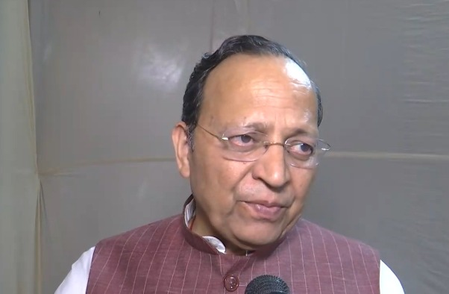
Echoing these sentiments, BJP leader Ajay Alok projected a future dominated by “Modi’s nationalism” across India, suggesting a shift in ideological influence beyond West Bengal. Meanwhile, BJP National General Secretary Arun Singh expressed confidence in the party forming its first government in West Bengal. Singh credited the leadership of Prime Minister Modi for the party’s performance and envisioned a “double-engine government” in the state for accelerated development.
Singh criticized the incumbent state government for alleged distress and fear among the people, citing issues like poor implementation of central schemes and widespread corruption. He highlighted the strong support for PM Modi in Bengal and anticipated a significant political transformation in the state’s electoral landscape with the BJP’s potential victory.
