


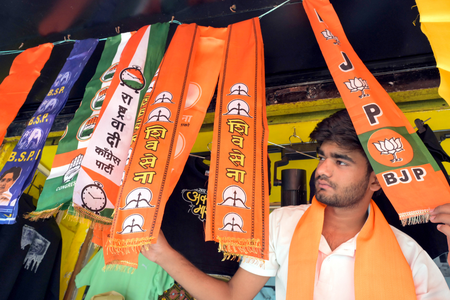
The BMC elections, set for January 15, will witness a diverse competition among five power centers, moving away from the traditional two major alliances. The BJP and Shiv Sena MahaYuti alliance, along with their allies, aim to dominate the elections with plans to lead the BMC. BJP is contesting 137 seats, while Shiv Sena will vie for 90 seats, each with distinct agendas for the city’s progress.
Shiv Sena intends to secure the Marathi Manoos votes by emphasizing its commitment to the ideology of party founder Balasaheb Thackeray, challenging the BJP’s influence. Additionally, BJP’s ally, the Republican Party of India (A), led by Ramdas Athawale, has joined the race, citing grievances over seat allocation. Meanwhile, Shiv Sena (UBT) and MNS have united to consolidate the Marathi vote, focusing on heritage and local pride.
Congress has opted to contest independently, forming a strategic alliance with Prakash Ambedkar’s Vanchit Bahujan Aghadi (VBA) to target specific voter segments. The entry of AAP and the Samajwadi Party adds new dimensions to the elections, focusing on transparency and minority-heavy wards, respectively. The electoral landscape now sees a split in the Marathi vote, posing challenges and opportunities for various parties.
The BJP aims to strengthen its position among North Indians, Gujaratis, and the cosmopolitan elite, leveraging the divided Marathi vote. With multiple factions vying for support, smaller parties like VBA and AAP could influence the election outcome by diverting crucial votes. The contest not only tests the political prowess of the contenders but also reflects the evolving dynamics of Mumbai’s electoral landscape.
