


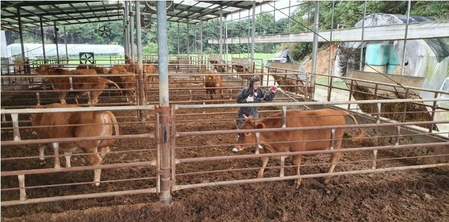
Botswanan veterinary authorities have verified an outbreak of foot-and-mouth disease (FMD) in a village located in the northeastern region near the Zimbabwe border. The disease was initially identified at Jackalas 1 village in the Tsamaya Extension Area of the Masunga district. Laboratory tests on samples from animals in the affected area confirmed the presence of FMD, as stated by Kobedi Segale, the acting director of veterinary services in the Ministry of Lands and Agriculture.
To ascertain the extent of the impact, authorities are intensifying surveillance to determine the exact number of affected cattle. Following suspected FMD cases in Botswana’s North East District, immediate restrictions on animal movement were imposed, and a prompt government response was initiated. Veterinary authorities are implementing various control measures, including strict quarantine enforcement, livestock movement controls, surveillance in affected areas, and farmer awareness campaigns to prevent the disease from spreading.
FMD is a highly contagious viral disease that affects livestock, leading to significant economic consequences. The disease impacts cattle, swine, sheep, goats, and other cloven-hoofed ruminants, with intensively reared animals being more vulnerable. While rarely fatal in adult animals, FMD can result in high mortality rates among young animals due to myocarditis or lack of milk from infected dams. The disease is characterized by fever and blister-like sores in the mouth, on the tongue, lips, teats, and between the hooves, causing substantial production losses and leaving affected animals weakened.
All seven serotypes of FMD have been identified in wildlife, with African buffalo serving as significant carriers of the virus. Other wildlife species do not appear to sustain FMD viruses.
