


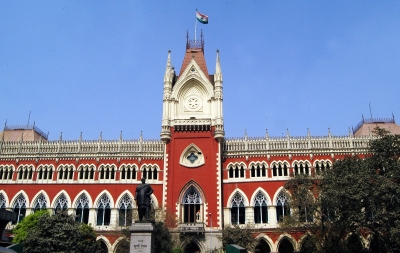
A division bench of the Calcutta High Court declined to restrict the Election Commission of India’s power to conduct “preventive arrests” for ensuring fair and peaceful elections in the second phase of the West Bengal Assembly election on April 29. The bench, comprising Chief Justice Sujoy Paul and Justice Partha Sarathi Sen, emphasized the importance of considering the “personal liberty” of individuals before ordering such arrests, especially for those without prior records of involvement in election-related violence.
The court’s decision came in response to a petition by the Trinamool Congress seeking to limit the Election Commission’s widespread use of preventive arrests. While acknowledging the Commission’s duty to maintain the integrity of the polls, the bench stressed the need to balance this with the fundamental rights of individuals. It directed the petitioner to provide a list of individuals who were arrested preventively despite lacking any history of poll-related violence.
Preventive arrests continued ahead of the final phase of voting, with 2,473 individuals arrested across the state’s seven polling districts within a span of 60 hours. The Election Commission had emphasized the identification and apprehension of “potential trouble-makers” to safeguard the electoral process during both phases of the West Bengal Assembly elections. The upcoming phase will witness heightened security measures, including the deployment of 2,407 companies of central forces and extensive webcasting at all polling stations.
