


The Centre has introduced various relief measures to protect Indian industry and consumers from the economic repercussions of the Iran conflict. These measures, initiated by the Finance Ministry, include customs duty reductions on essential raw materials, export incentives, fuel price controls, and financial aid mechanisms. The focus is on ensuring stability in key sectors amidst disrupted supply chains and decreased exports.
To support manufacturing units, Special Economic Zone (SEZ) entities are now permitted to sell goods in the domestic market at concessional customs duty rates. Previously, these sales incurred full import-equivalent duties, which have now been lowered to around 5 to 12.5 percent. Additionally, customs duties on crucial petrochemical products have been slashed to counter supply disruptions caused by the West Asia conflict, benefiting sectors like plastics, packaging, textiles, pharmaceuticals, chemicals, and auto components.
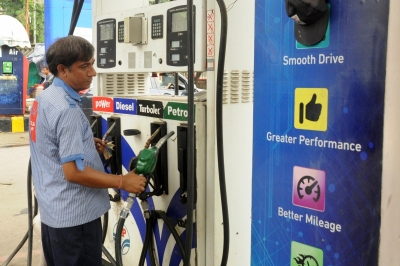
In a targeted effort to mitigate shipping and trade risks, the Department of Financial Services is contemplating the establishment of a war risk pool or Bharat P&I fund. Furthermore, the government has taken steps to curb the impact of a 25 percent rise in aviation turbine fuel (ATF) prices to prevent excessive airfare surcharges. Excise duty on petrol and diesel has also been reduced by Rs 10 per liter to prevent a surge in retail fuel prices for consumers.
Under the Export Promotion framework, a RELIEF scheme has been introduced, offering credit cover amounting to Rs 497 crore. This scheme primarily aims to support Micro, Small, and Medium Enterprises (MSMEs) that play a significant role in employment generation in the country. Moreover, the benefits under the Remission of Duties and Taxes on Exported Products (RoDTEP) scheme have been fully reinstated, including for the labor-intensive textiles sector.
The government is actively working on additional banking and financing support measures, with further announcements anticipated in the near future. The Finance Ministry emphasized that these actions form part of a comprehensive response to evolving geopolitical risks and hinted at possible future steps as the situation progresses.
